Caribanime: Where New Myths Are Woven and Modern Imagination Shines Through Caribbean Light
Themes & Structure
Caribanime is not a retelling of folklore, but an original fantasy saga inspired by Caribbean aesthetics. Drawing from blended cultures and colonial history, it reflects the sounds, rhythms, and spirit of the region without directly reproducing sacred beliefs. Its characters, spirit types, and events are shaped by this influence, creating a world that feels culturally grounded while remaining wholly original.
Two Worlds, One Pulse
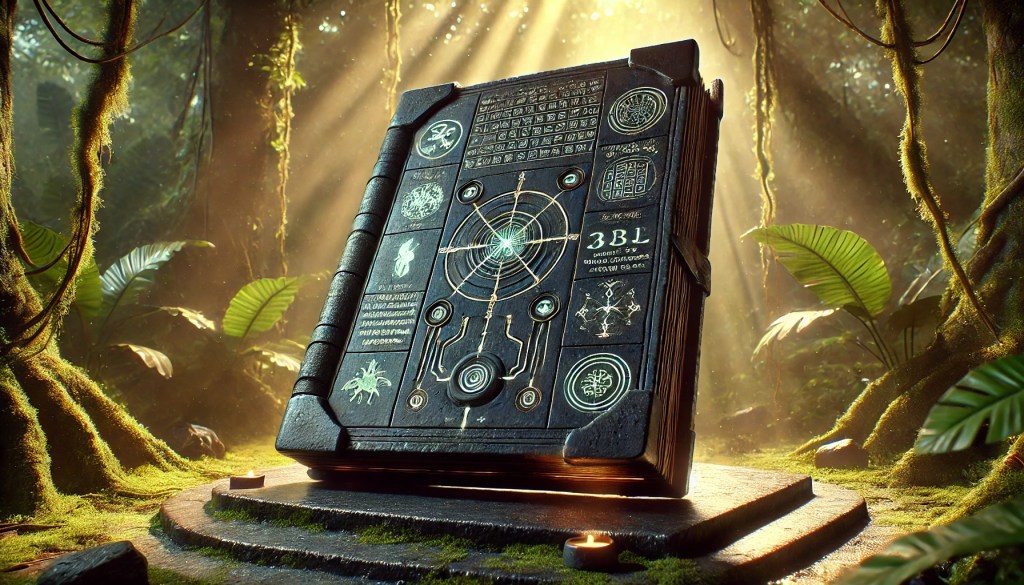
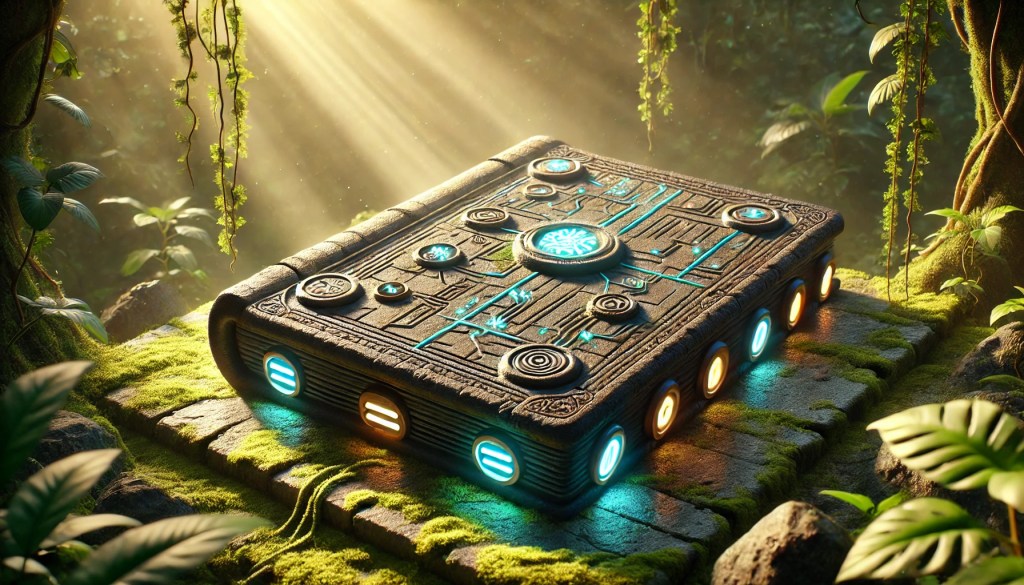
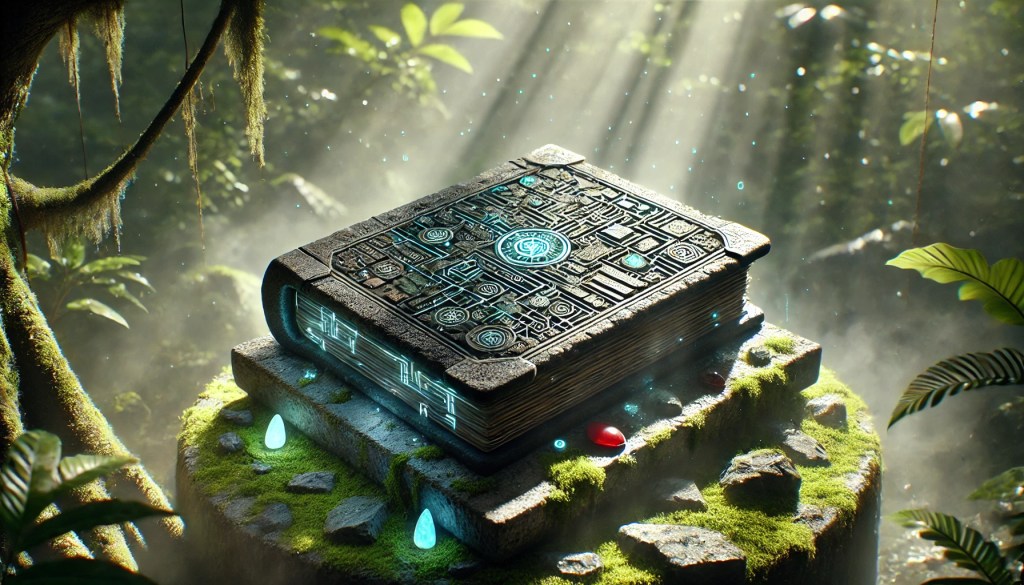
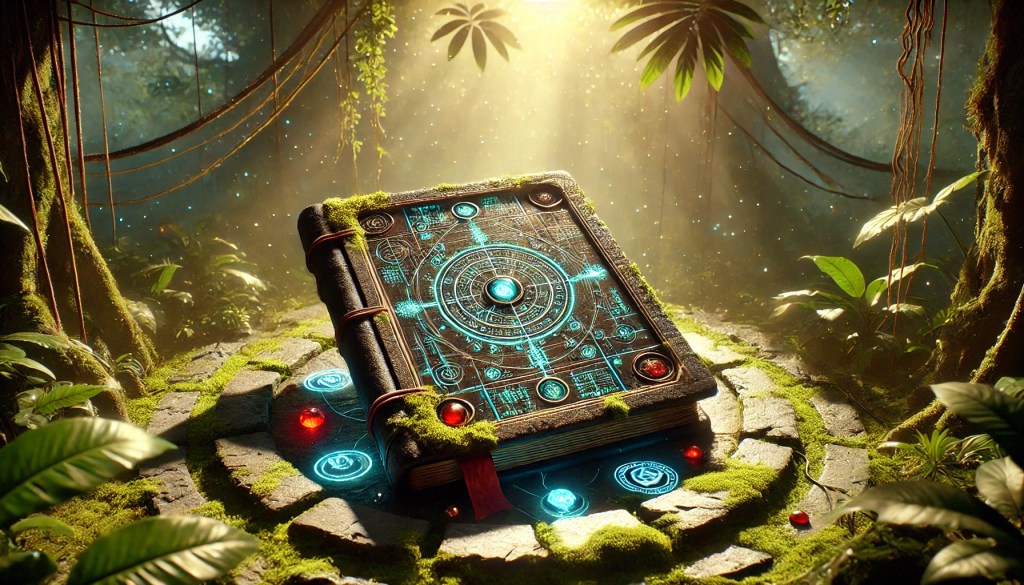
Caribanime is a fantasy universe that bridges two interconnected realms: the real world—modern Earth, where the characters begin their journey—and the Caribanime world, a veiled spiritual realm shaped by Caribbean-inspired forces, mythologies, and original spirit lore. These worlds are linked through the Awakening Tablet, a mysterious relic that unlocks portals, memories, and identities. Through its power, hidden truths emerge, destinies are reshaped, and a hero’s journey unfolds across both dimensions.
Awakening
New Flame from Old Embers
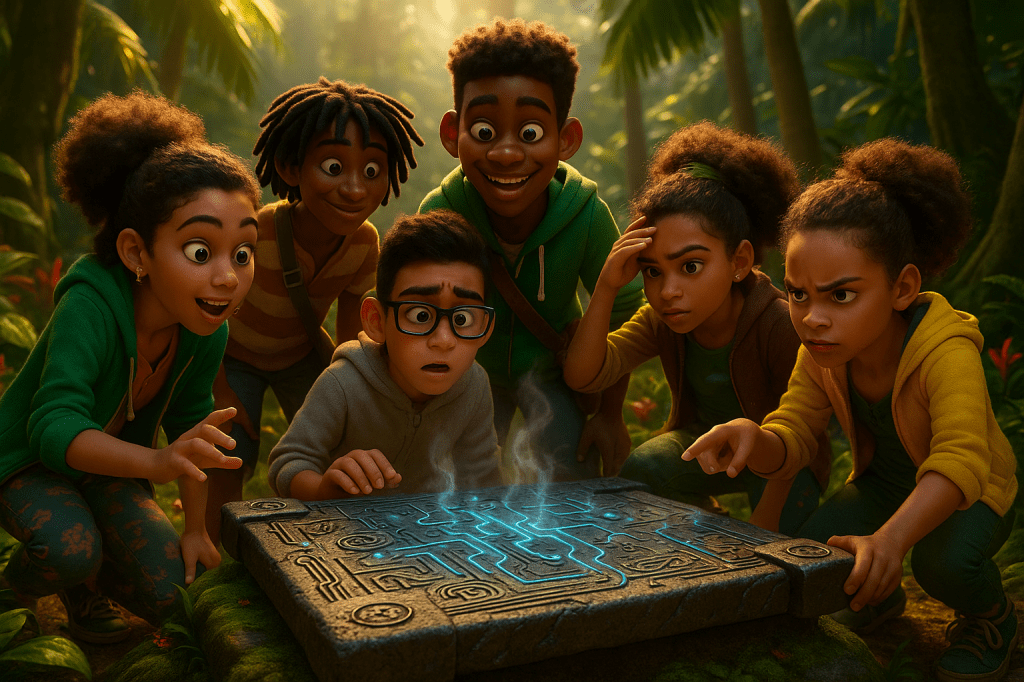
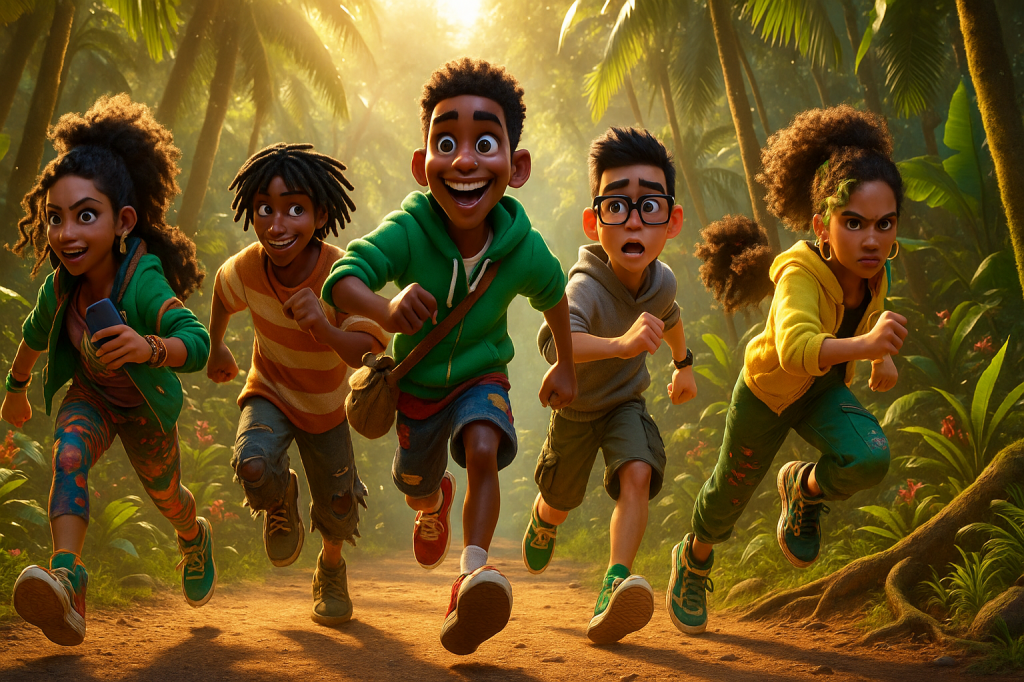
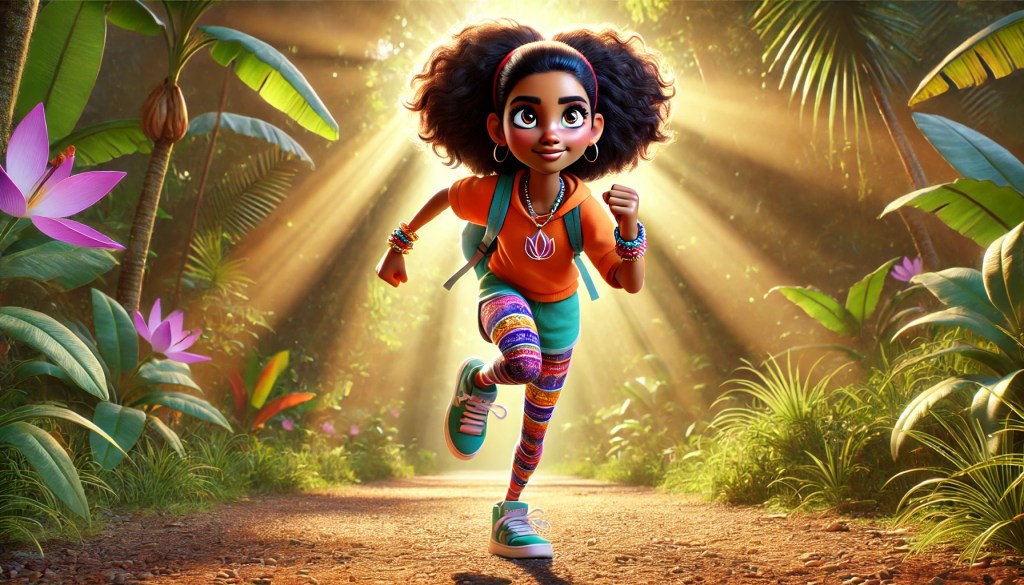
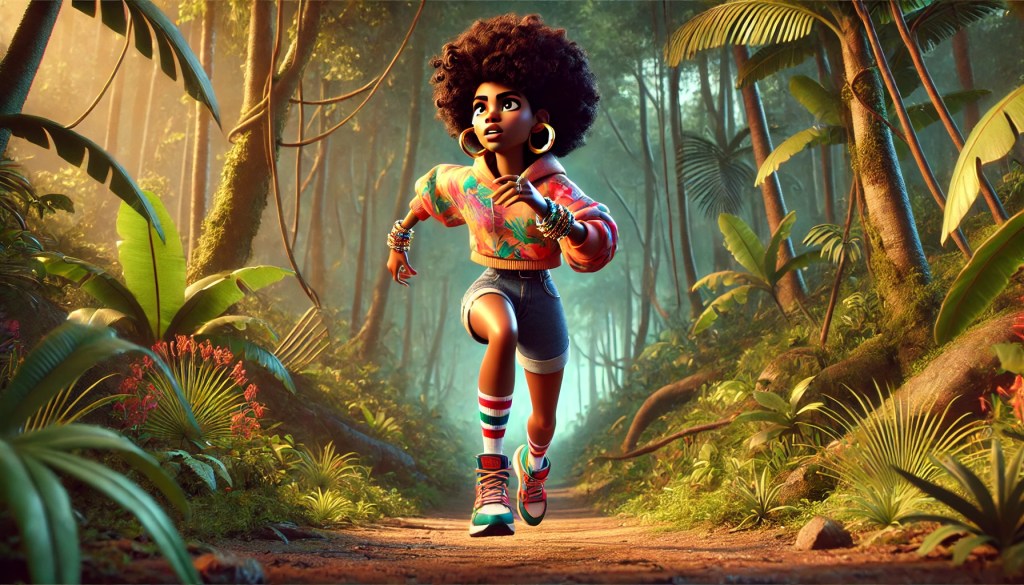
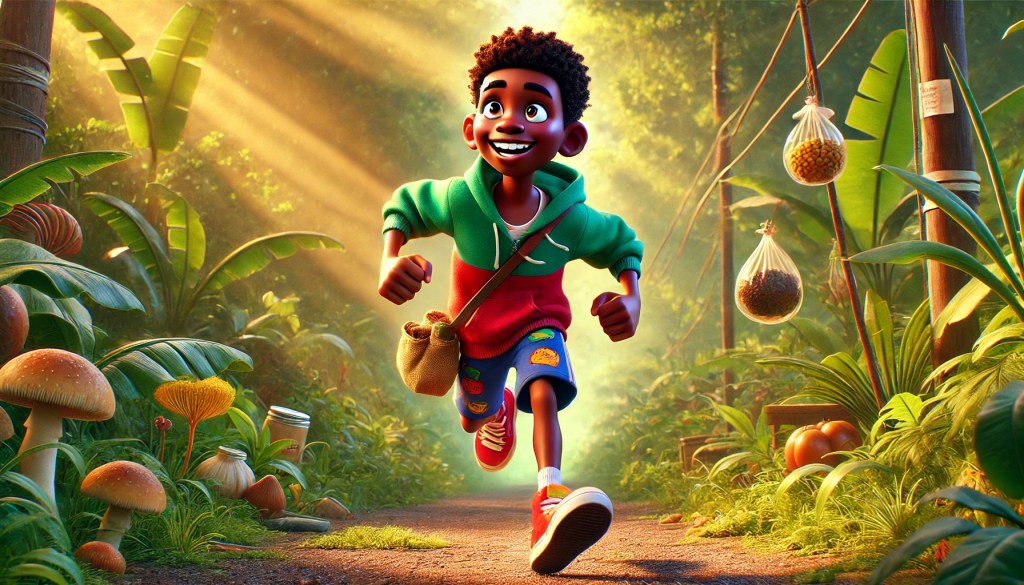
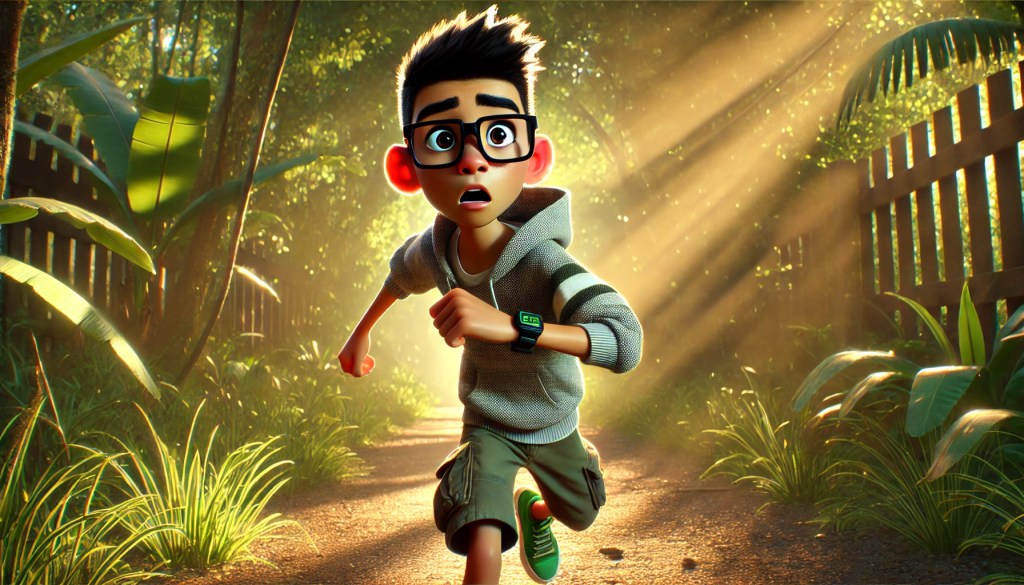
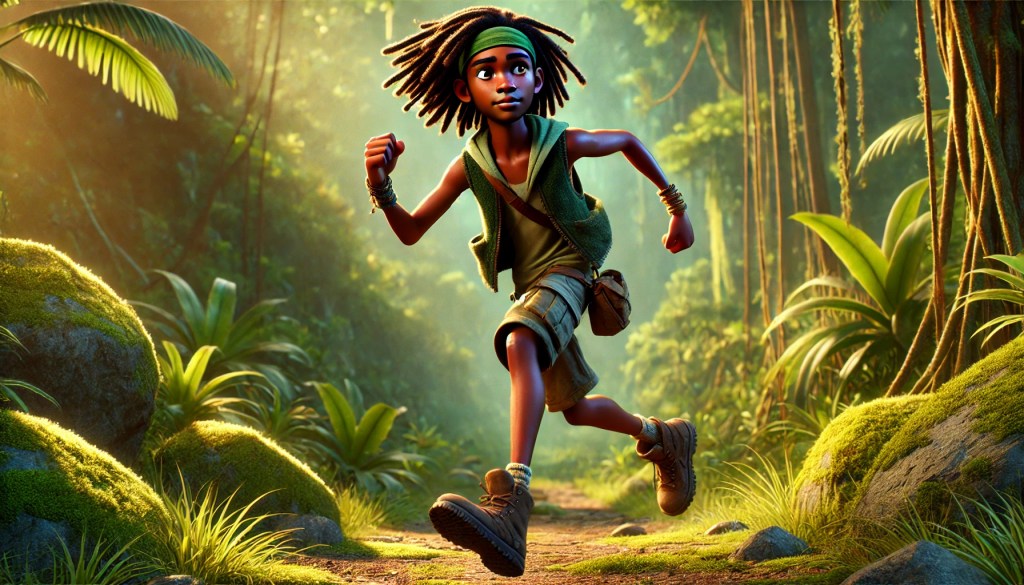
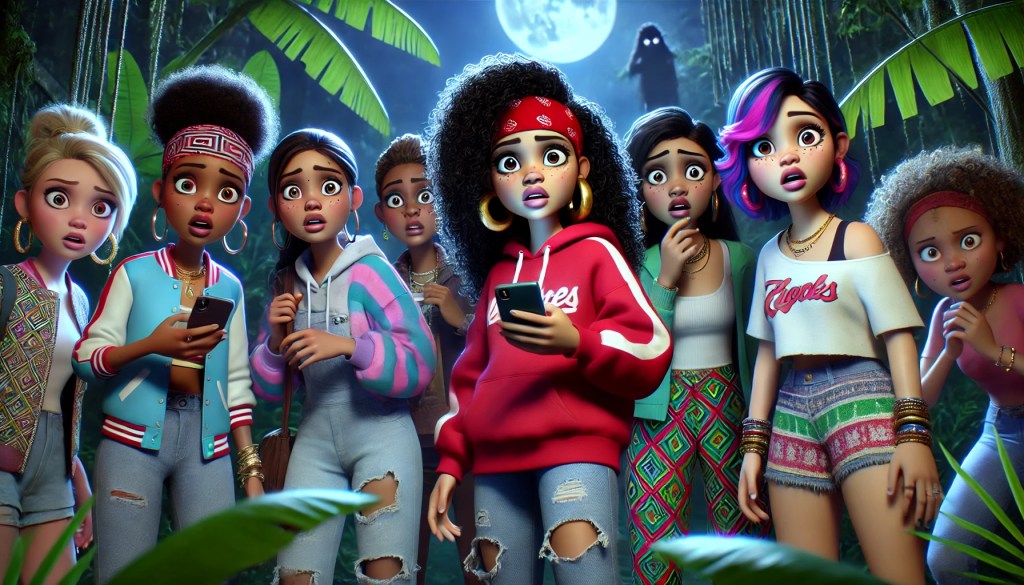
In the heart of the modern Caribbean, a group of teens discovers the Awakening Tablet—a mysterious relic tied to forgotten histories and sealed powers. When activated, it doesn’t just whisper to the past—it roars across realities.
Ancient spirits, long dormant, begin to stir. The Lagahoo, Kindle Dolls, Jab Jab Chainlords, Anansi, and others awaken as their energies bleed into the present. Shadows lengthen, strange dreams emerge, and fractures form between the world we know and the one long forgotten.
But this is no accident. The tablet did not simply awaken power—it awakened them. And now, they must carry the weight of its call.
Crossing Into the Unknown
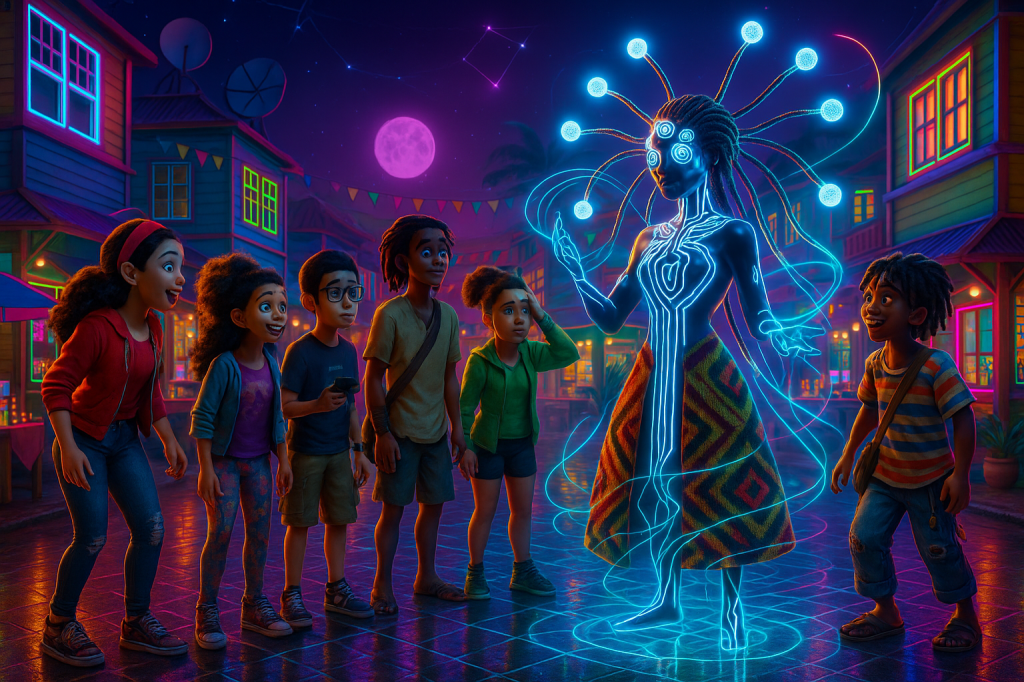
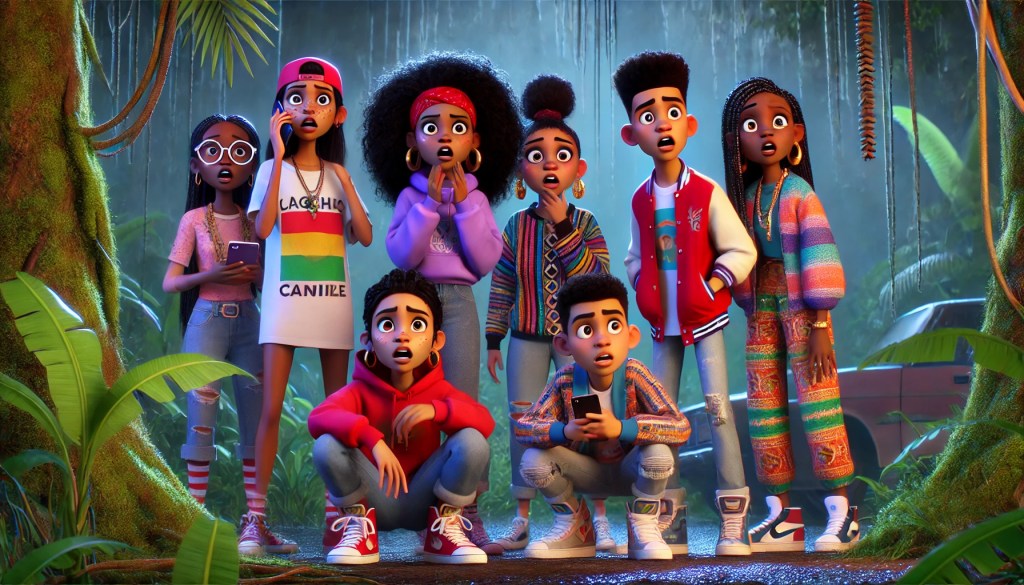
While exploring an ancient, forgotten artifact, the teens accidentally activate a hidden gateway. In an instant, they are pulled from their world into another—the Caribanime realm.
At first, it feels familiar, like a distant reflection of home. But something is different. Everything is alive in ways it shouldn’t be. The air carries whispers, the forests seem to watch, and the water moves with quiet intention. Nothing here is passive—everything is aware.
Then they see them—the spirits. Not stories. Not myths, but real, present, and watching. This is a world where folklore was never just imagination—it has always existed, waiting to be seen again.
They Didn’t Come Back Alone
When the teens return home, they expect everything to go back to normal. It doesn’t.
At first, the changes are subtle. Shadows shift when they shouldn’t. Reflections feel off. Sounds echo without a source. Something is wrong—but it’s hard to explain.
Then the truth becomes clear: they didn’t come back alone. The boundary between worlds has been broken, and spirits have crossed over. Some are curious. Some are lost. Some are dangerous. And their presence begins to reshape the real world in ways no one can control.
The Worlds Begin to Merge
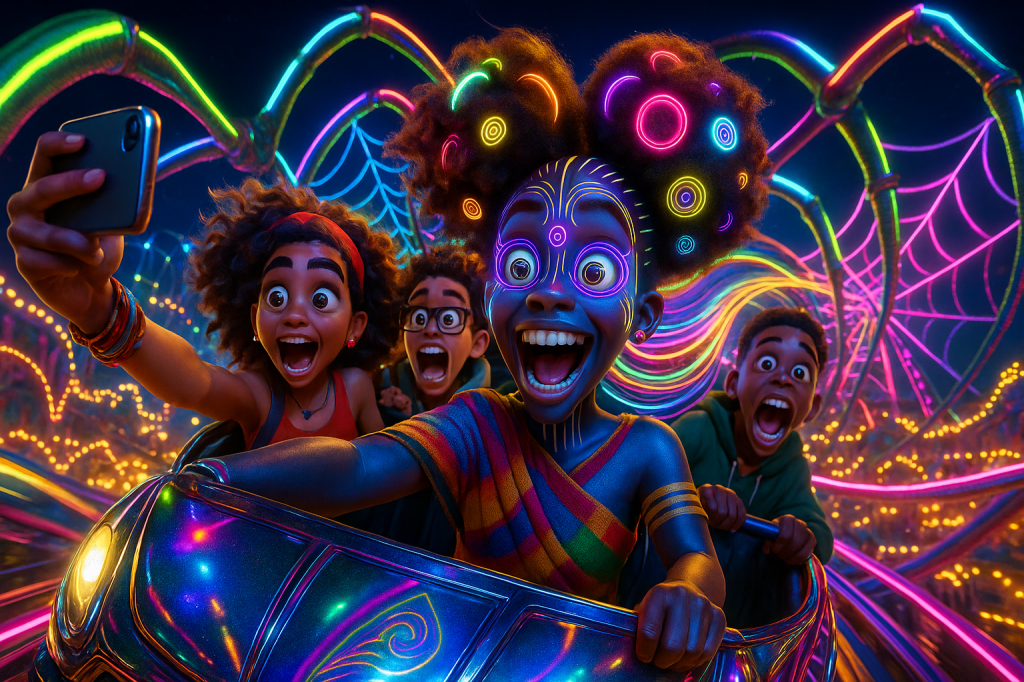
As more spirits appear, reality begins to shift. What starts as small disturbances grows into something deeper, tied to history, memory, and the echoes of the past. These forces are no longer just stories—they are real and present. The teens realize this is not random. The portal didn’t simply open—it disrupted the balance between worlds. Now both worlds are unstable, and if nothing is done, the merging will continue, changing everything in its path.
Restoring the Balance
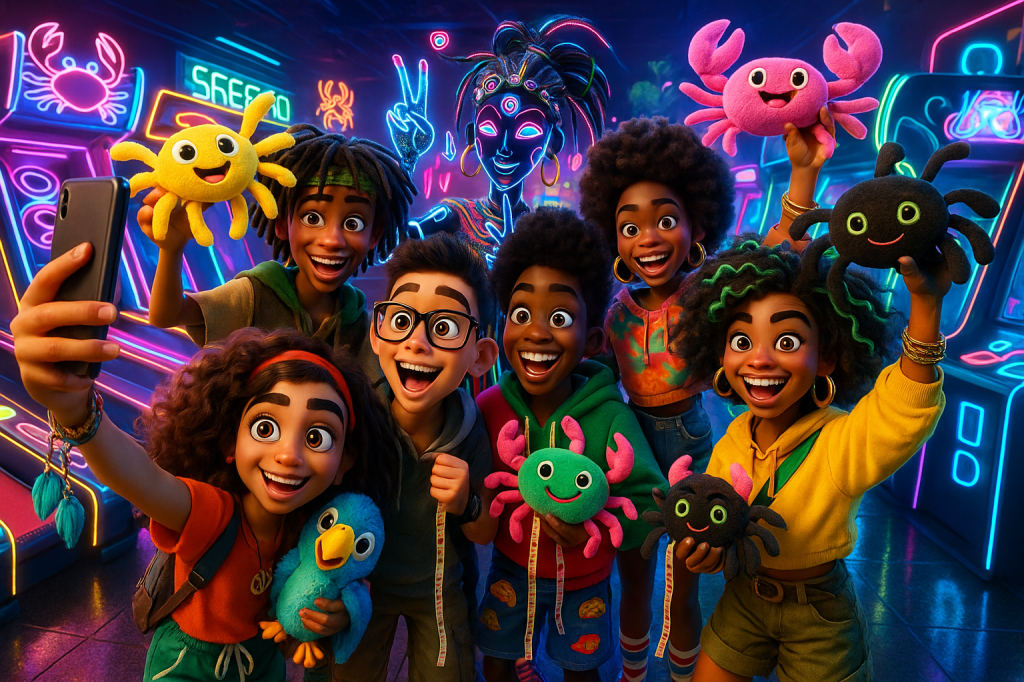
To fix what’s happening, the teens must return to the Caribanime world—but this time, it’s no longer about discovery, it’s about purpose. They must face what was set in motion, correct what was awakened, and restore balance between the spirit world and their own. They are no longer just visitors—they are now part of what holds both worlds together, and the outcome depends on them.
Crossing Realities
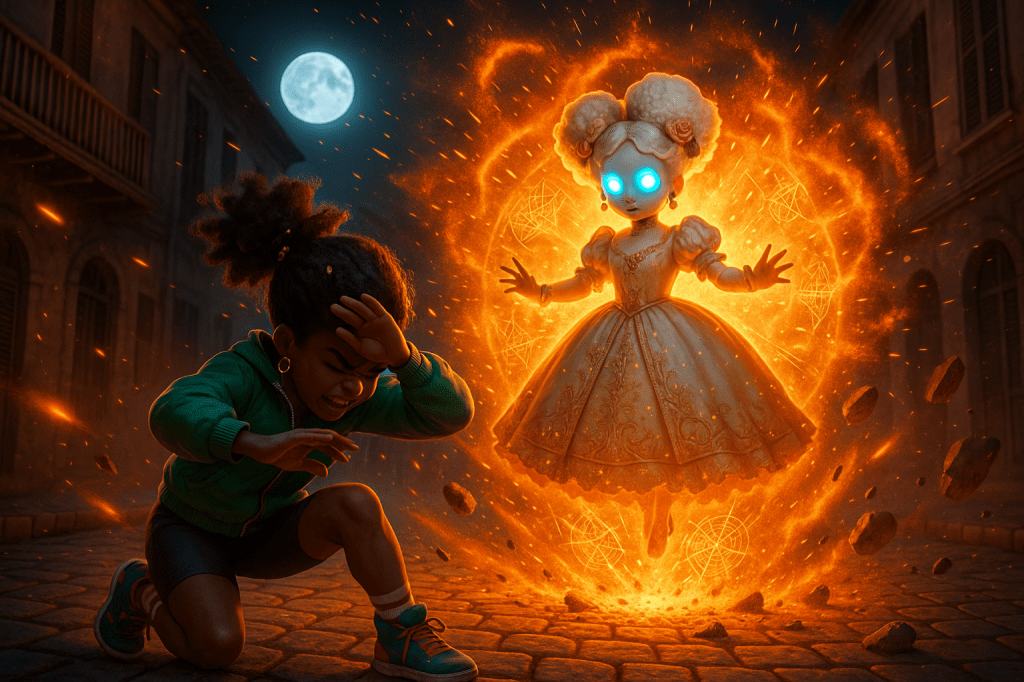
As spirits cross into the real world and reality begins to shift, the teens start to understand what they’ve become. They are not chosen in the traditional sense—they are connected to the Caribanime realm, to the spirits within it, and to the story itself. From this point forward, every decision they make carries weight, shaping both their world and the one beyond it.
Meet the Spirits and Archetypes of Caribanime
In Caribanime, spirits walk beside mortals, and memory takes form. Each spirit is an original creation—shaped by Caribbean aesthetics, storytelling rhythms, and the region’s layered legacies. From masquerade aristocrats to eco-divine guardians, these figures are not retellings of folklore, but reimaginings rooted in the same cultural soil.
Below is a first look at the beings who shape the spirit world—guiding the living, challenging perception, and redefining what power truly means.
Mama D’Leau
Guardian of Rivers, Brackish Bays, and Coastal Echoes
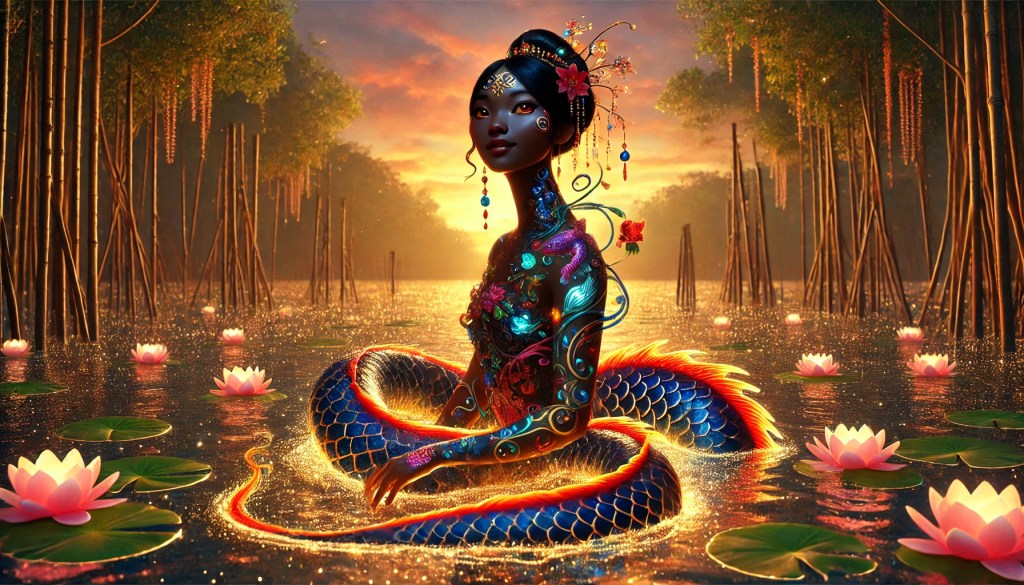
Spirit of the sacred waters
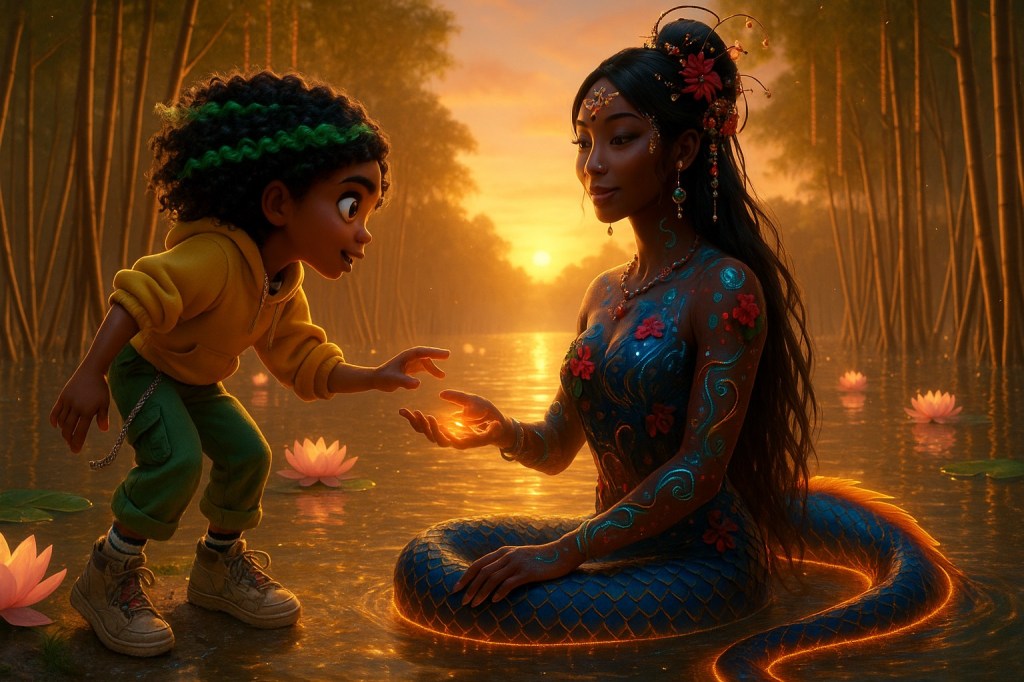
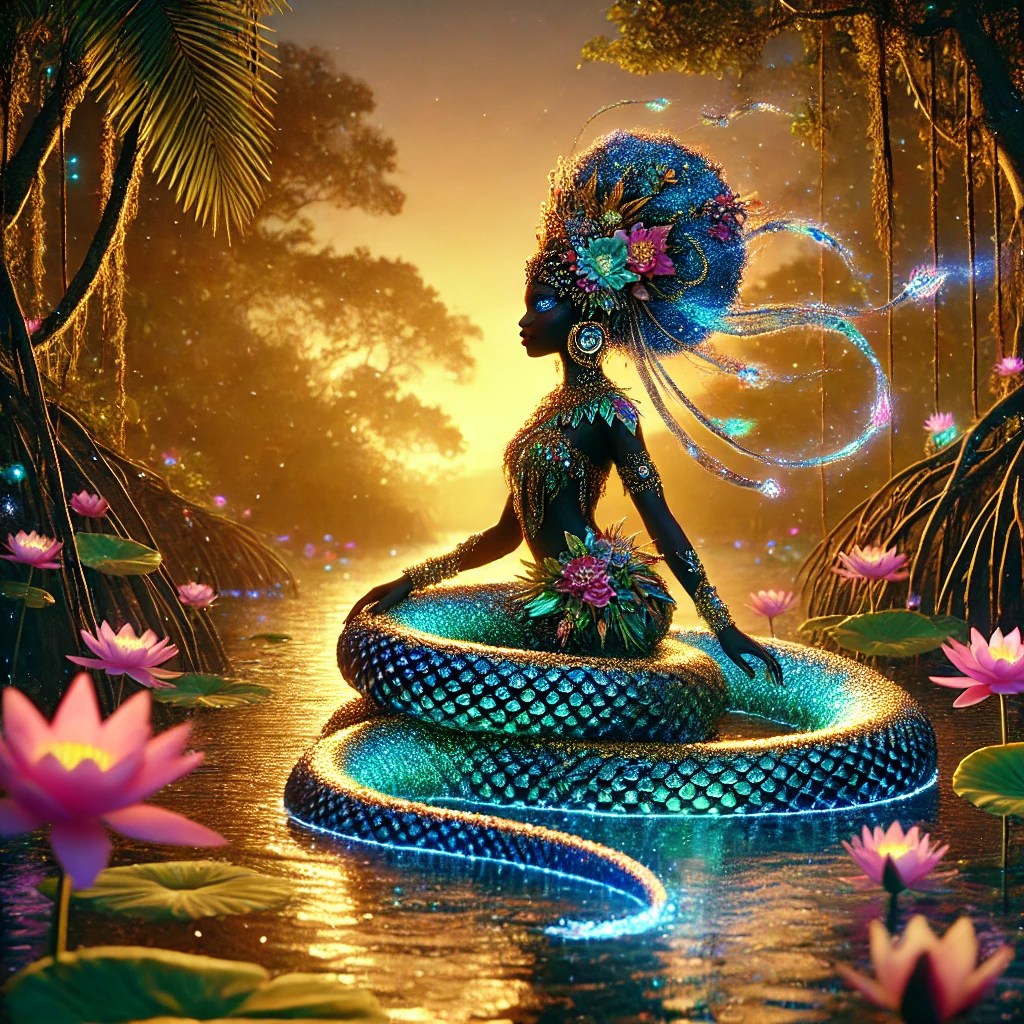
In the Caribanime universe, Mama D’Leau is not a single spirit, but a sisterhood of elemental water guardians. Ancient, wise, and oceanically divine, they embody balance, protection, and ecological reverence. These beings are not gods, but living expressions of the natural world—shaped by the cultural soul of the Caribbean and reimagined into a vibrant, original myth.
The Mama D’Leau lineage flows across the Caribanime realm, with different spirits representing the energy of mangrove rivers, estuaries, coral coastlines, and hidden underground springs. Each reflects the unique rhythm and spirit of the waters they protect.
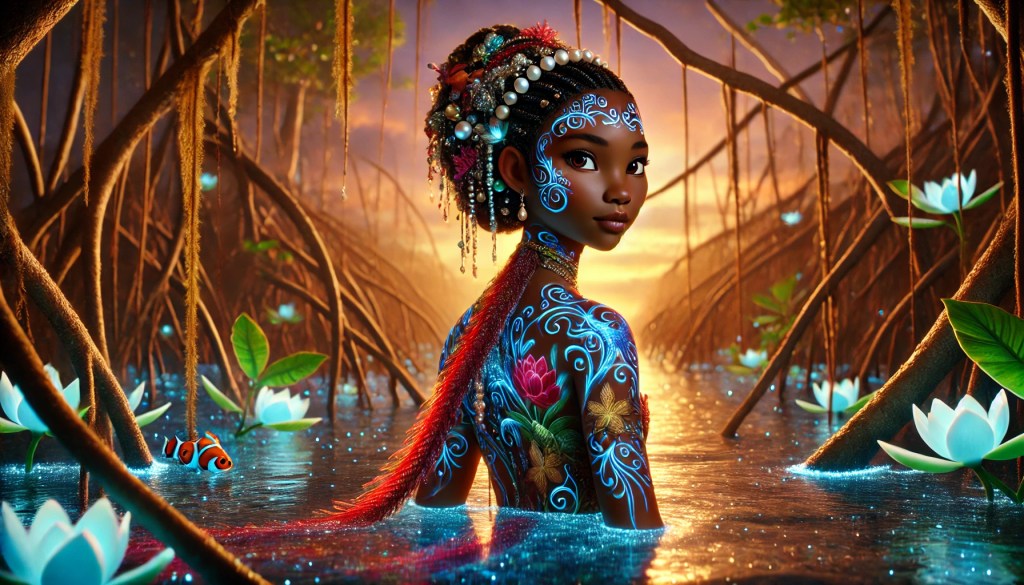
Essence and Aesthetic
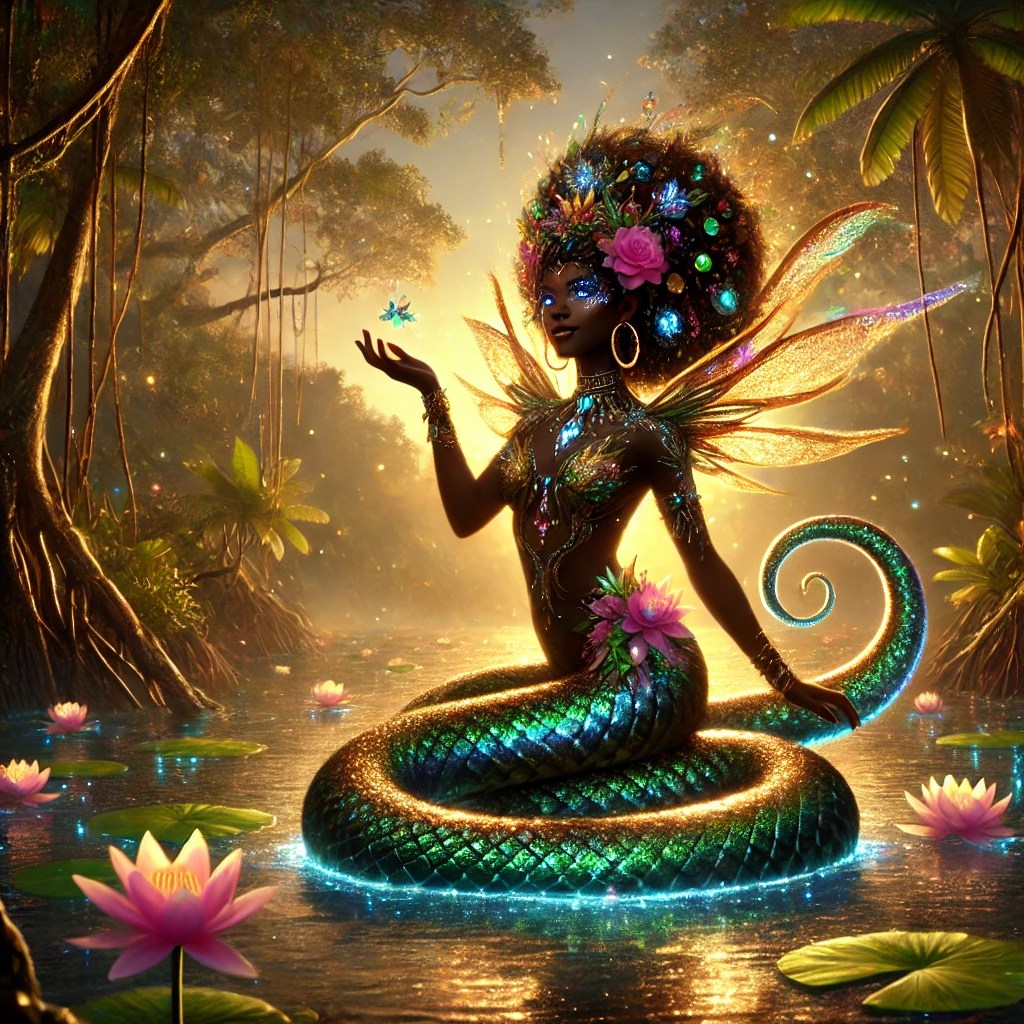
Mama D’Leau spirits possess a stunning, surreal beauty, each embodying the natural world around her. Their forms shimmer with coral- and pearl-embedded skin, soft and luminous, while living koi-scale patterns flow across their bodies like moving ink, revealing marine life within.
They are adorned with serpent-like tails textured like kelp, glistening with moonlight, and kohl-lined eyes accented with delicate beaded patterns that reflect the rhythm of the tides. Wild flora, bioluminescent sea moss, and small crustacean-like beings exist within them, as if their bodies were living reefs.
Each spirit is both a divine ecosystem and a guardian of balance—beautiful, powerful, and deeply connected to the waters they protect.
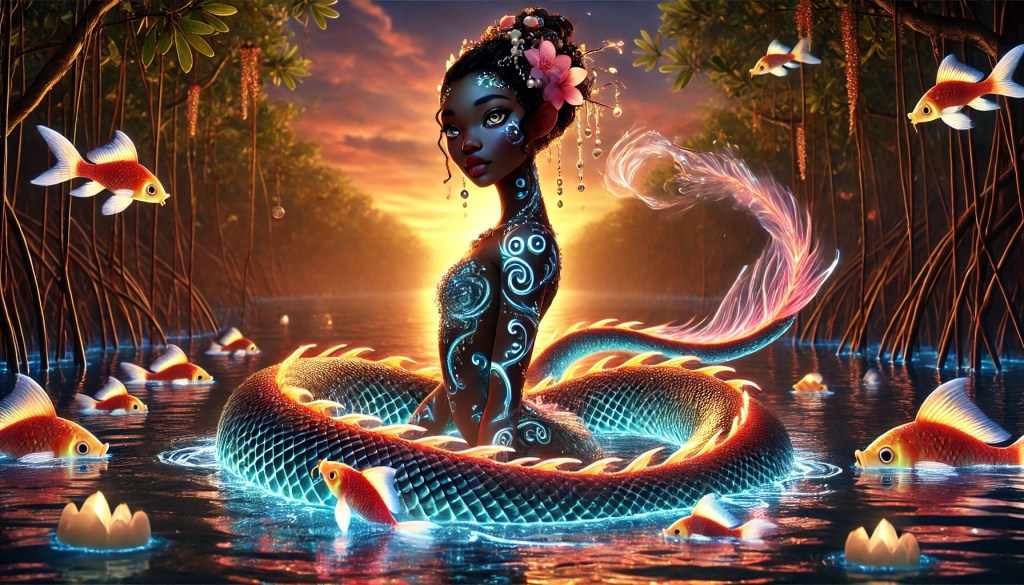
A Clan Across Waters
There is no single Mama D’Leau. In Caribanime lore, she exists as a sacred sisterhood—a lineage of guardians whose roots ripple across time and water. Each D’Leau spirit is connected to a unique aquatic biome, sharing the same essence while reflecting the culture, mood, and energy of the place she protects—from Caribbean mangrove labyrinths and deep volcanic lakes to coral-filled coastal grottoes.
Within the spirit realm, they form a council bound by the rhythms of the tides, their wisdom flowing through water and memory. When called upon through sacred offerings, they appear in mirrored pools, their presence both serene and powerful.
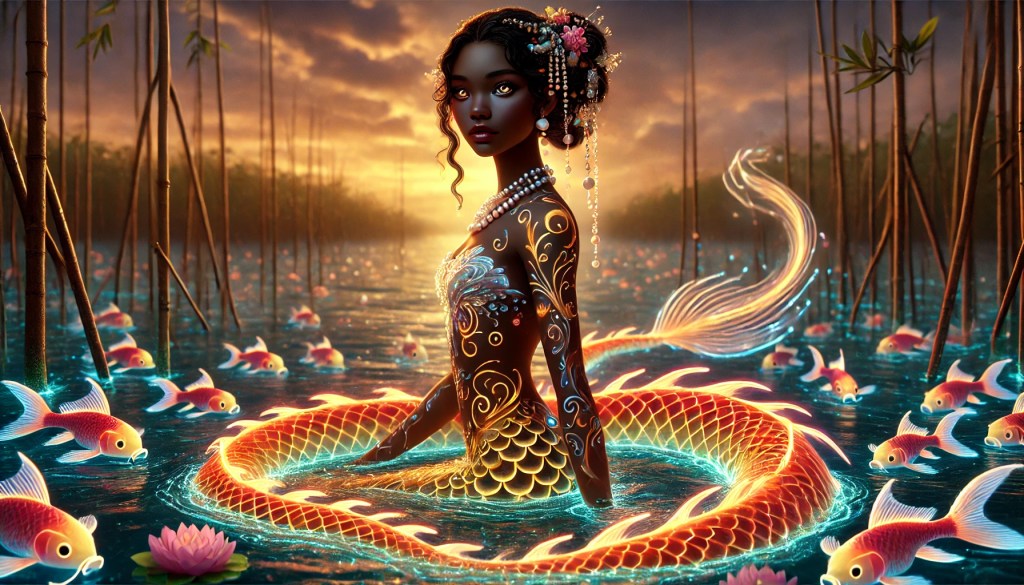
Crossing Over: The Hidden Among Us
When the Veil weakens, spirits begin to cross into the mortal world. Mama D’Leau guardians slip into the backwaters of Caribbean towns, retreating into ports and quiet villages where their presence is felt rather than seen.
In fish markets, the water stills without reason. In river communities, something moves just beneath the surface, pearls glinting like oil. In old colonial ports, a distant song carries across the shore—a warning to those who disrespect the sea.
These spirits adapt to the human world, concealing their magic beneath layers of silk and seaweed. Some live as healers or eccentric matriarchs, while others become unseen protectors of forgotten coastlines, watching and waiting from the edges of both worlds.
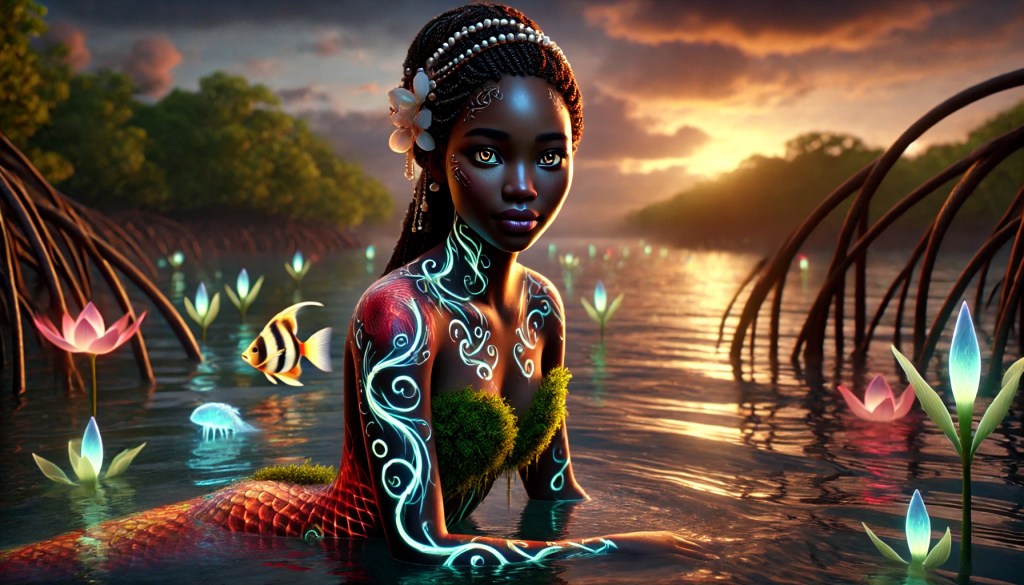
Story Role in Caribanime
In Caribanime, the Awakening Tablet stirs the waters of both realms, reawakening the Mama D’Leau spirits from their long dormancy. Some return to restore balance, while others rise with anger, carrying the weight of ancient grief. A few move quietly among humans, protecting fragile ecosystems and forgotten waterways in secret.
Their purpose is clear: to guard the balance between the spirit and mortal worlds, or risk its collapse.
Mama D’Leau is more than a guardian. She is a living memory of a time when the world was still wild—a mother of oceans, shaped by both sorrow and strength.

Jab Jab Chainlords: Spirits of Memory, Fire, and Reckoning
Masqueraders of power—embodying fire, chains, and dark elegance.
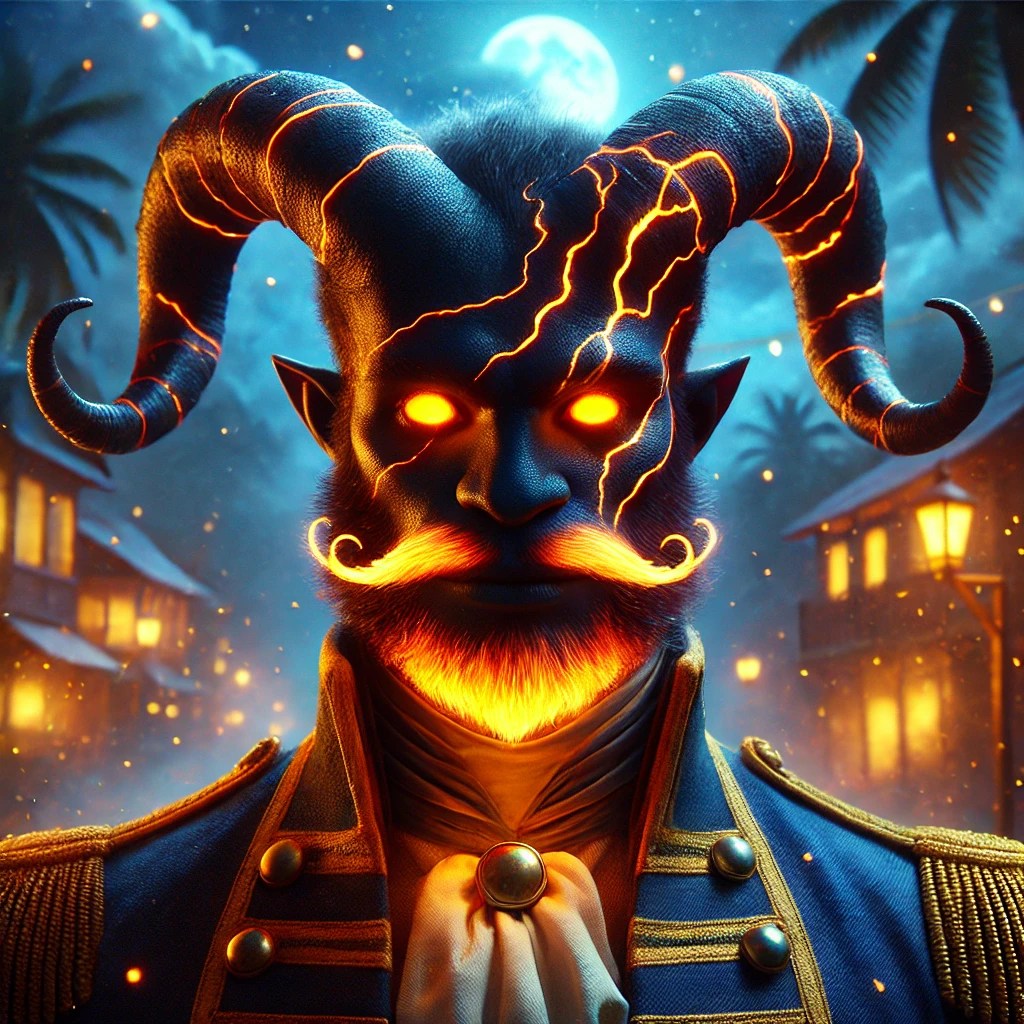
Jab Jab Chainlords
Spirits of Memory, Fire, and Reckoning
The Jab Jab Chainlords are powerful spirits in the Caribanime universe, shaped by Caribbean history, culture, and resistance. Inspired by Jab Jab traditions from places like Grenada and Trinidad, they carry the energy of rebellion and celebration into a new form.
They are not direct retellings of folklore, but original creations rooted in the same cultural foundation. They represent memory, fire, and unfinished histories, holding a strong and symbolic role within the world. In Caribanime, the Jab Jab Chainlords reflect a past that still lives on—shaping both the spirit realm and the world of the living.
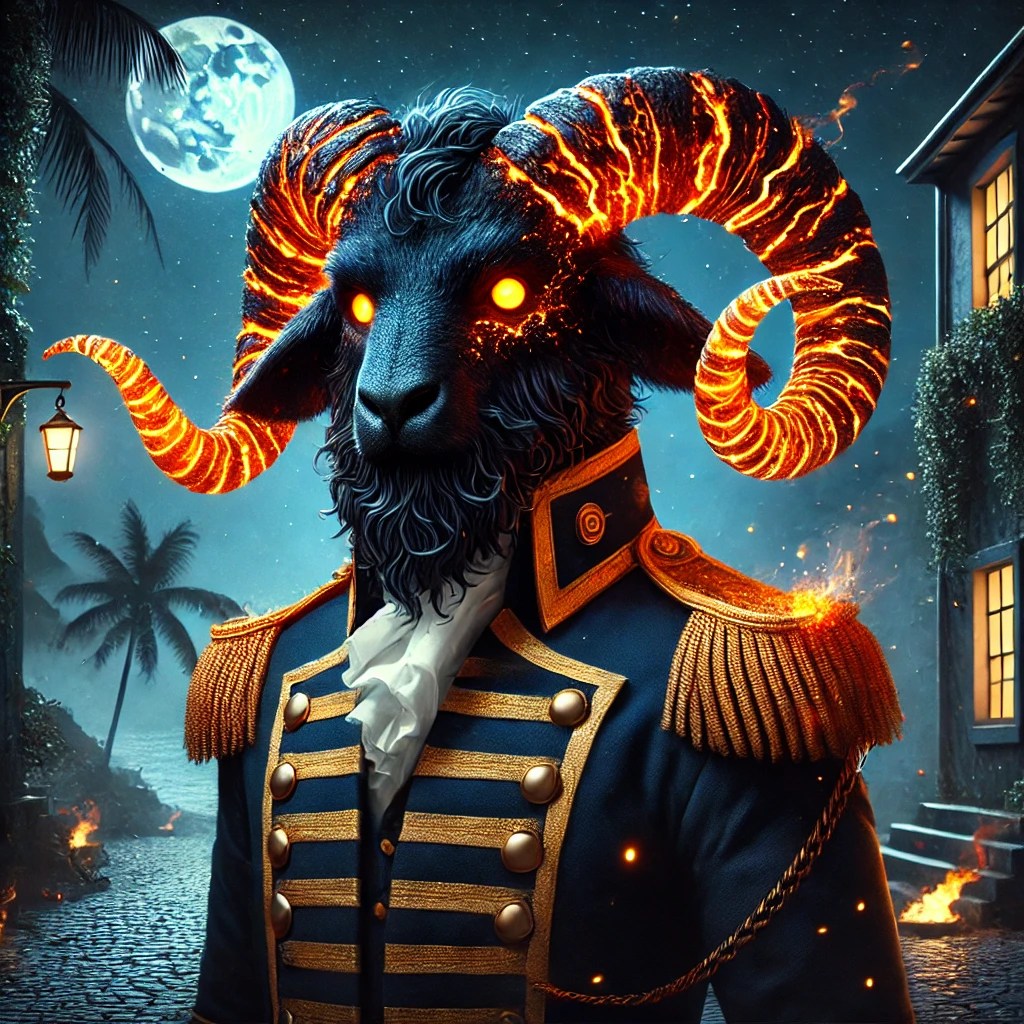
Aristocrats of the In-Between
In Caribanime, the Jab Jab Chainlords exist beyond performance. They are spiritual aristocrats of the in-between, walking the space between the living world and the spirit realm.
Every chain they carry holds voices, histories, and unresolved truths. Every movement echoes what was taken, resisted, and reclaimed.
They do not rule—they enforce. Not through law, but through presence, pressure, and power.
Fire, Chains, and Judgment
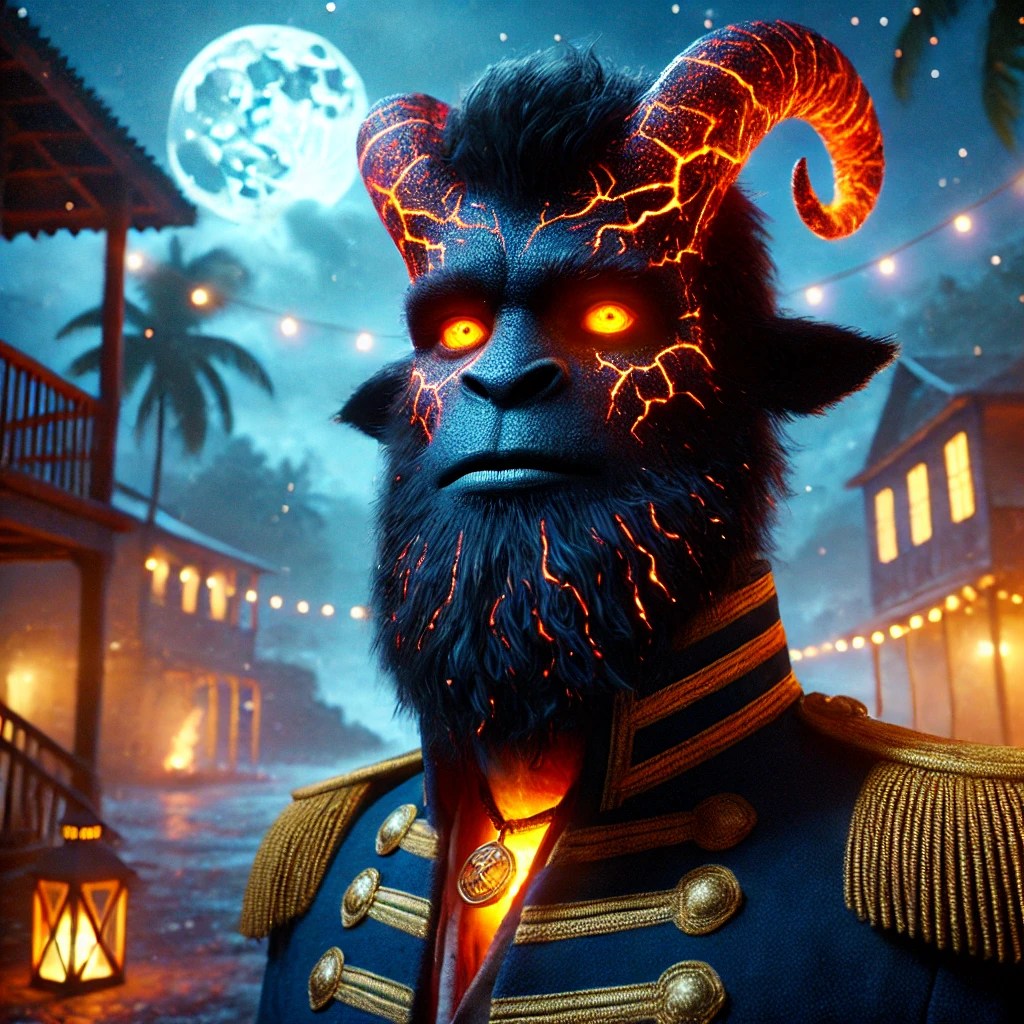
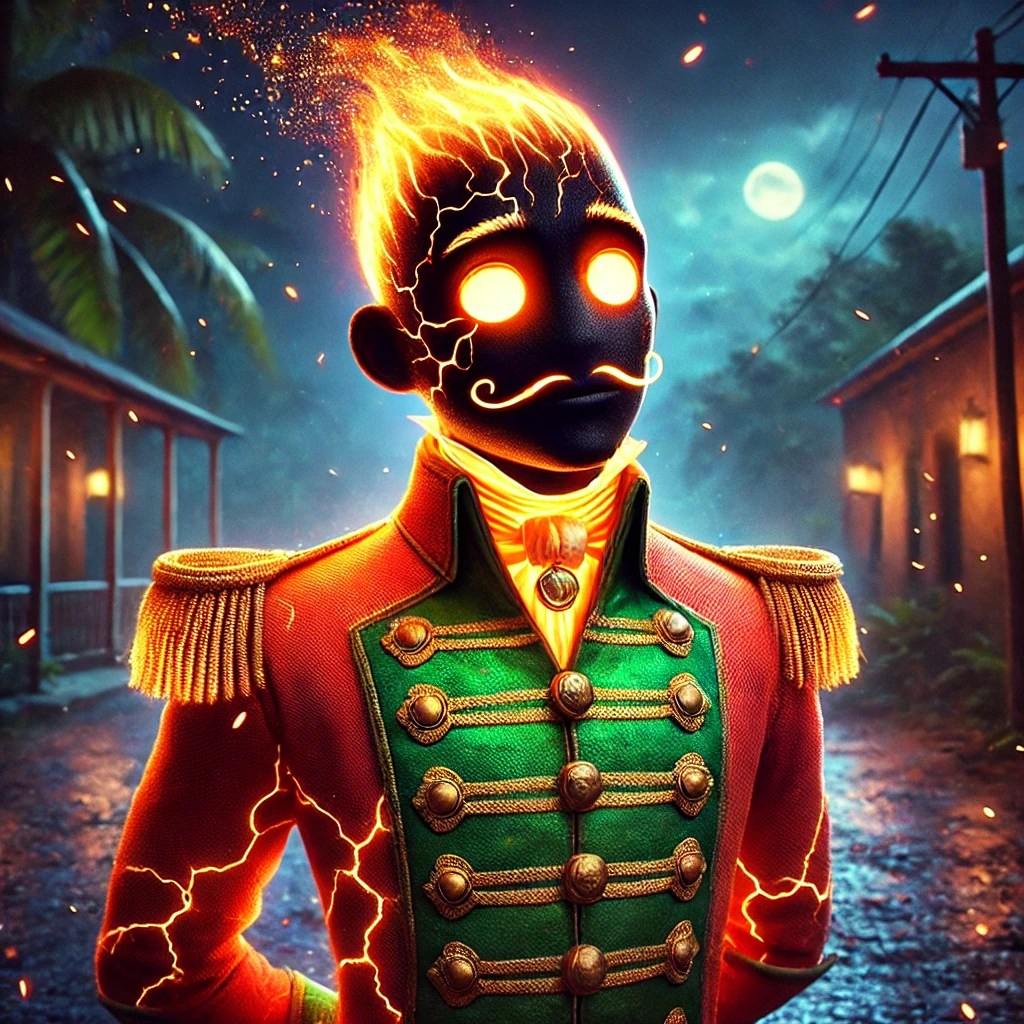
Fire binds them. Chains define them. History drives them. The Jab Jab Chainlords are not evil, but they are not merciful. They exist as enforcers of imbalance, judges of spiritual debt, and provocateurs who disrupt false order.
When the Awakening begins and ancient forces stir, they are among the first to rise—not to serve, but to confront what has long been ignored.

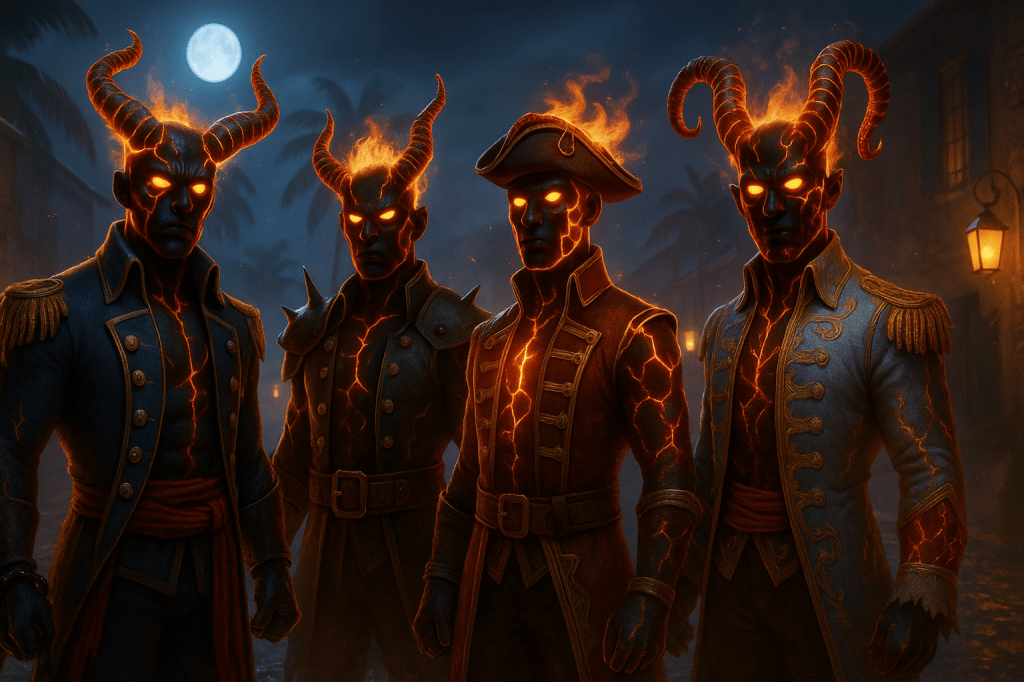
The Four Chainlords
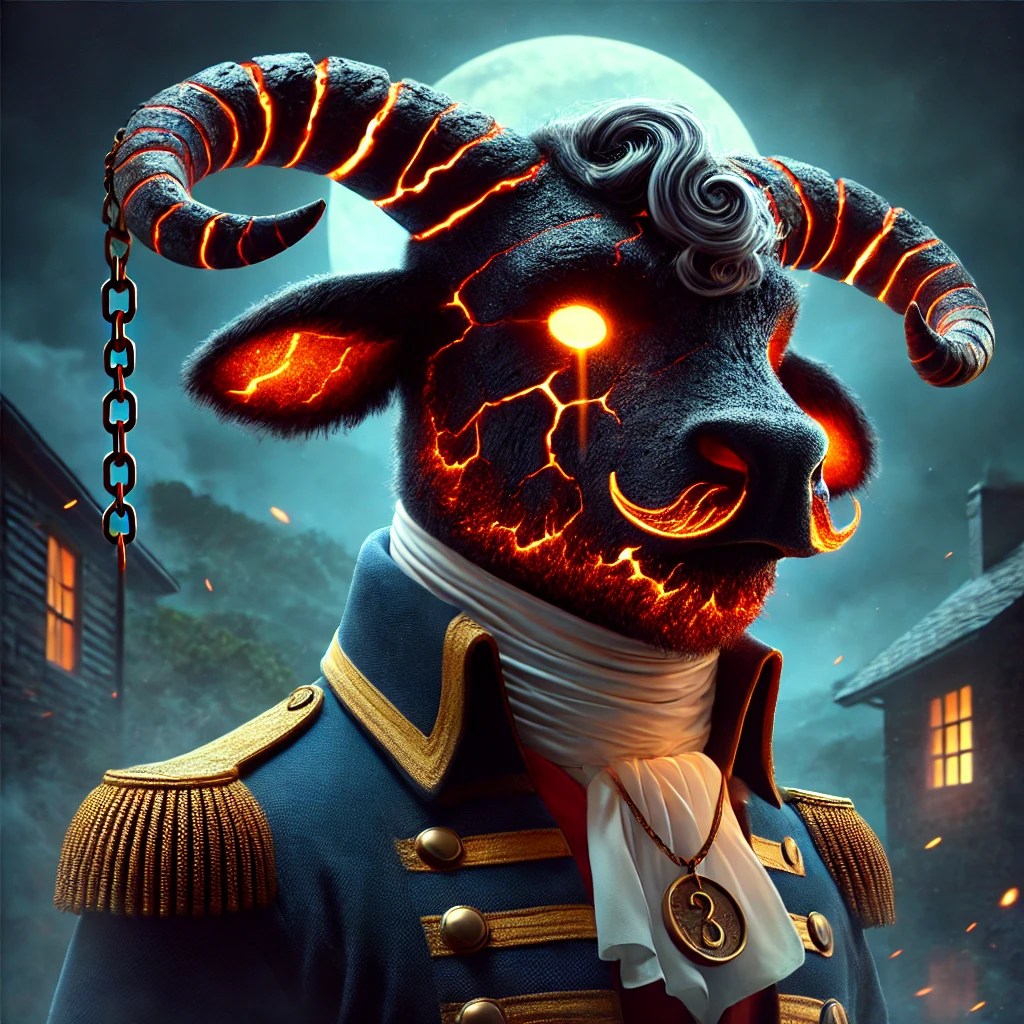
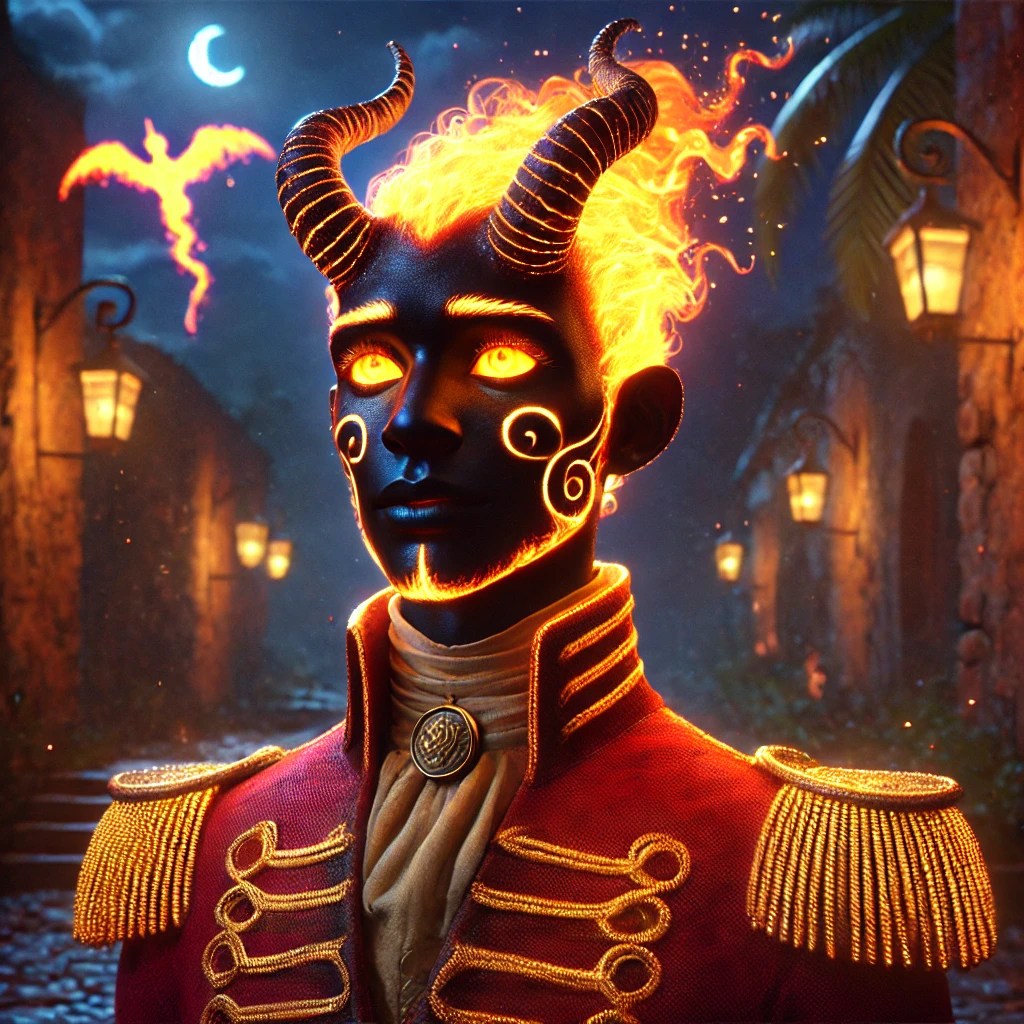
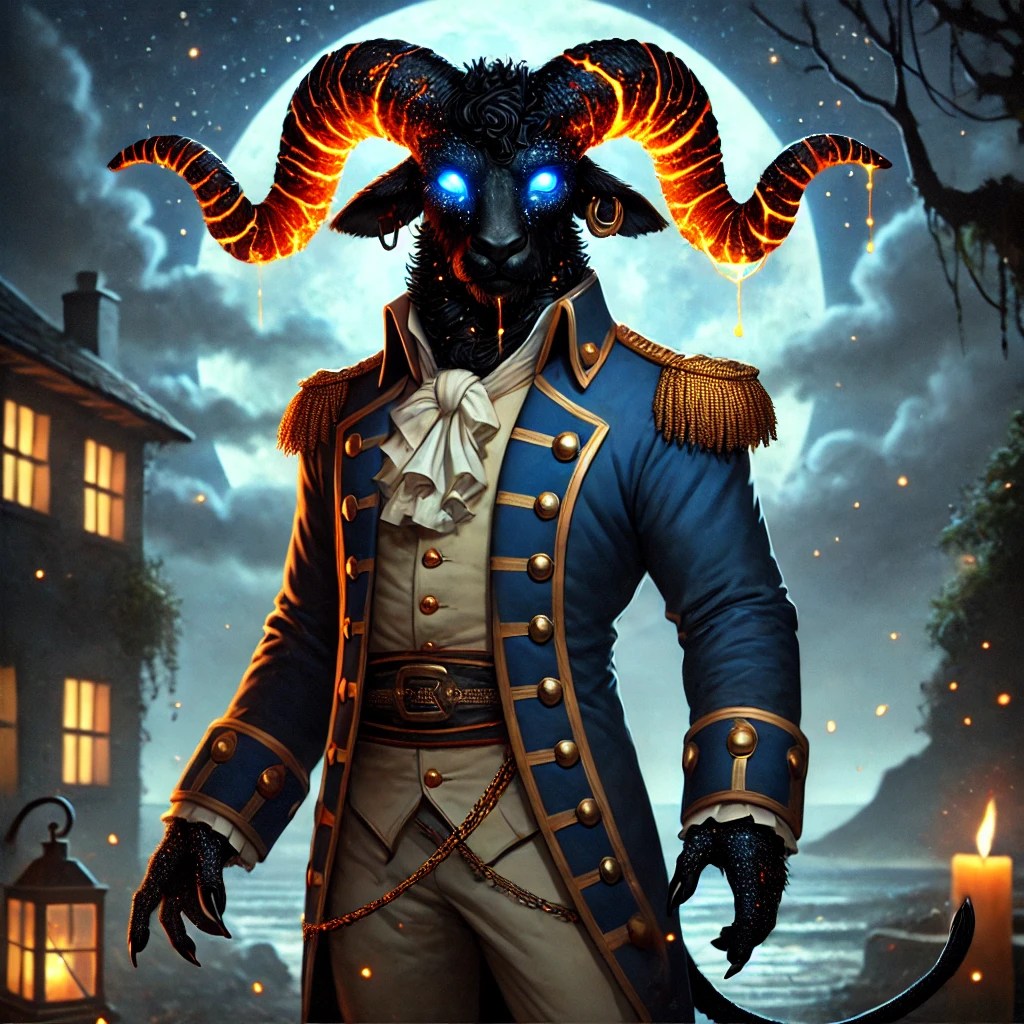
The Chainlords exist as a group of four, each shaped by the legacy of colonial powers in the Caribbean—British, Dutch, Spanish, and French. Their appearance is inspired by European military uniforms, but transformed through fire and resistance. What was once velvet becomes ash, gold becomes heat, and formal dress becomes armor shaped by memory. They are not conquerors, but the result of conquest—formed by the history they carry.
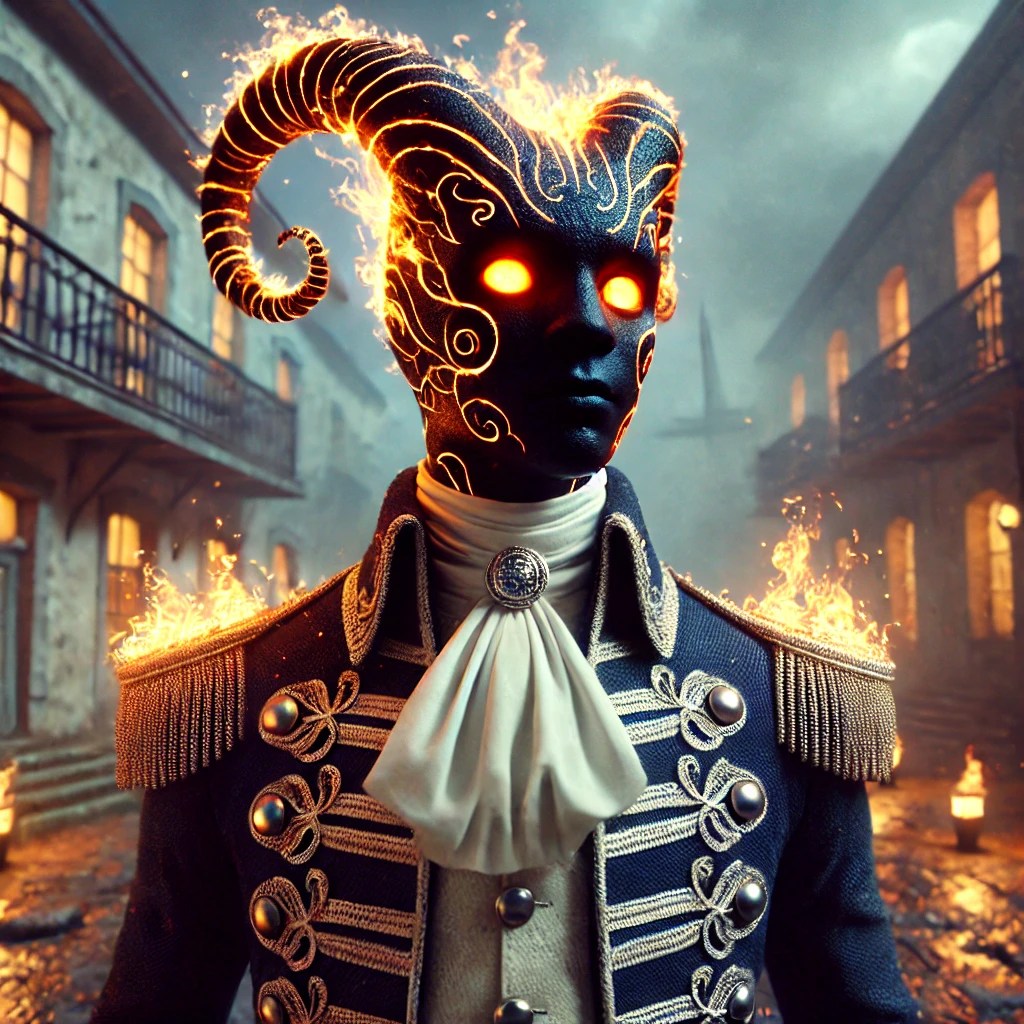
What They Represent
The Jab Jab Chainlords are more than characters—they are a living force within the Caribanime world, representing a past that refuses to stay buried. They carry the weight of history, moving through the echoes of empire with both elegance and destruction. They do not exist to rebuild what was lost, but to ensure it is never forgotten.
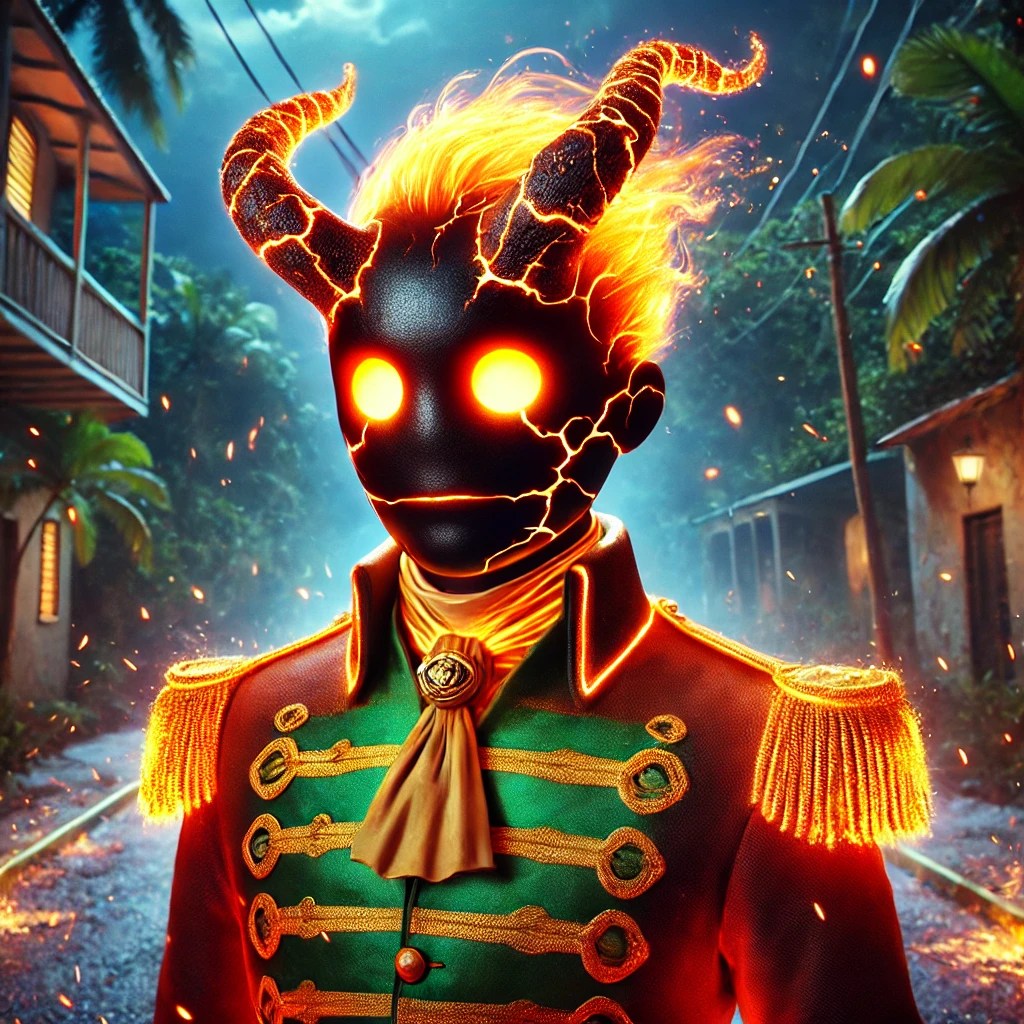
Felt Before Seen
The Jab Jab Chainlords are rarely seen, but they are always felt. Heat rises without warning, chains seem to drag where nothing stands, and shadows shift with quiet rhythm. The world around them reacts—air bends, embers drift, metallic echoes linger, and colors deepen into reds, golds, and shadow. Sometimes, they appear only in reflections.
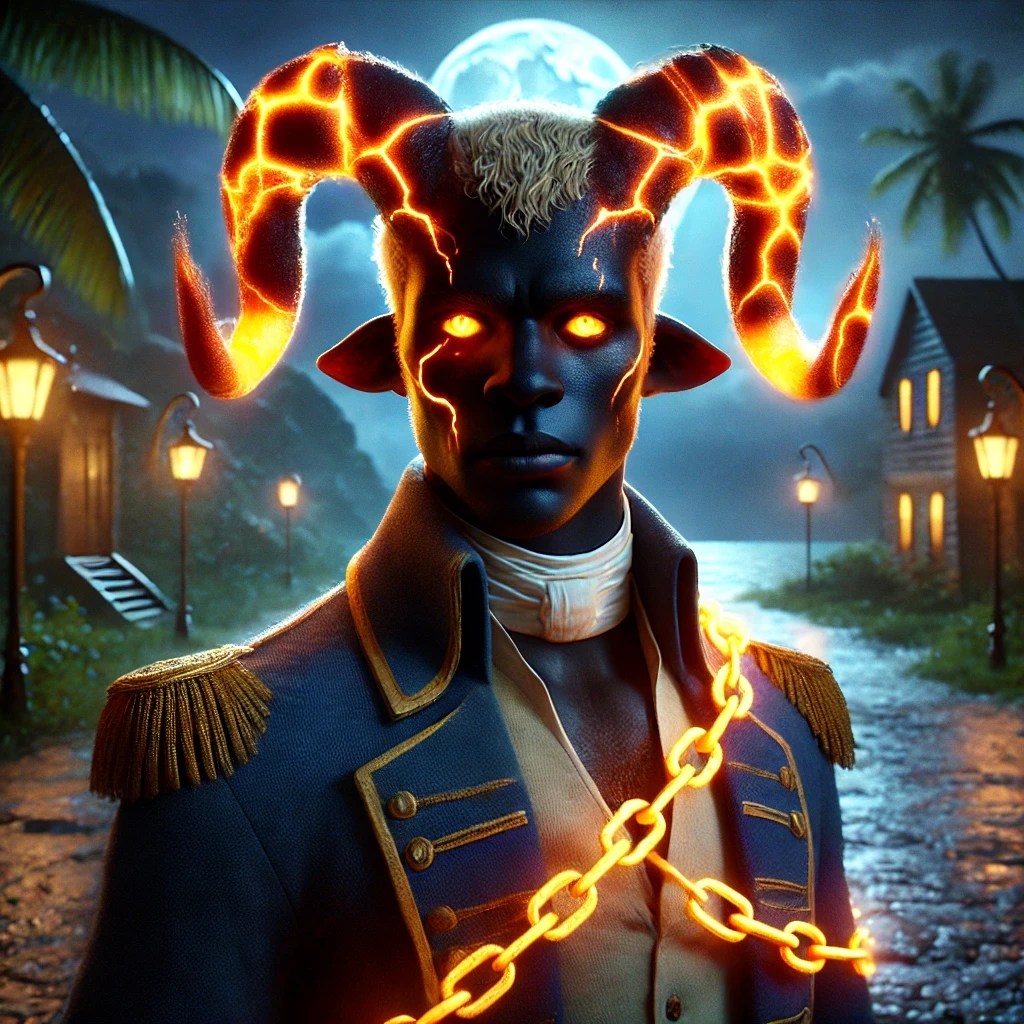
Judges of the Moment
When a Chainlord appears, it is never by chance. They arrive at moments of tension—when truths can no longer be hidden. They confront, question, and test those they encounter, revealing what lies beneath the surface.
Their presence is controlled and deliberate, but if resisted, it becomes intense. Heat rises, chains react, and the energy around them shifts—not as chaos, but as a warning.
They are not villains, and they are not saviors. The Jab Jab Chainlords are judges within the Caribanime world, measuring strength from within and asking one question:
What are you made of when it truly matters?
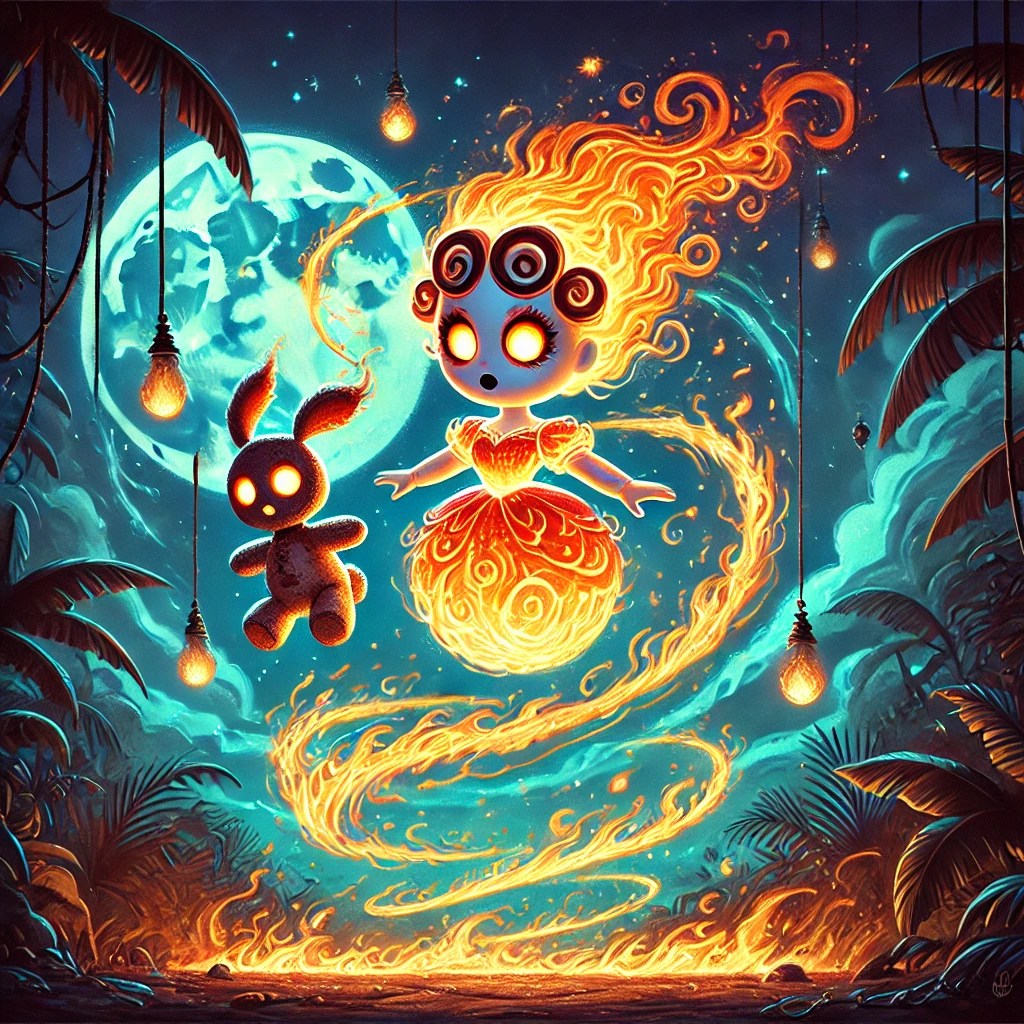
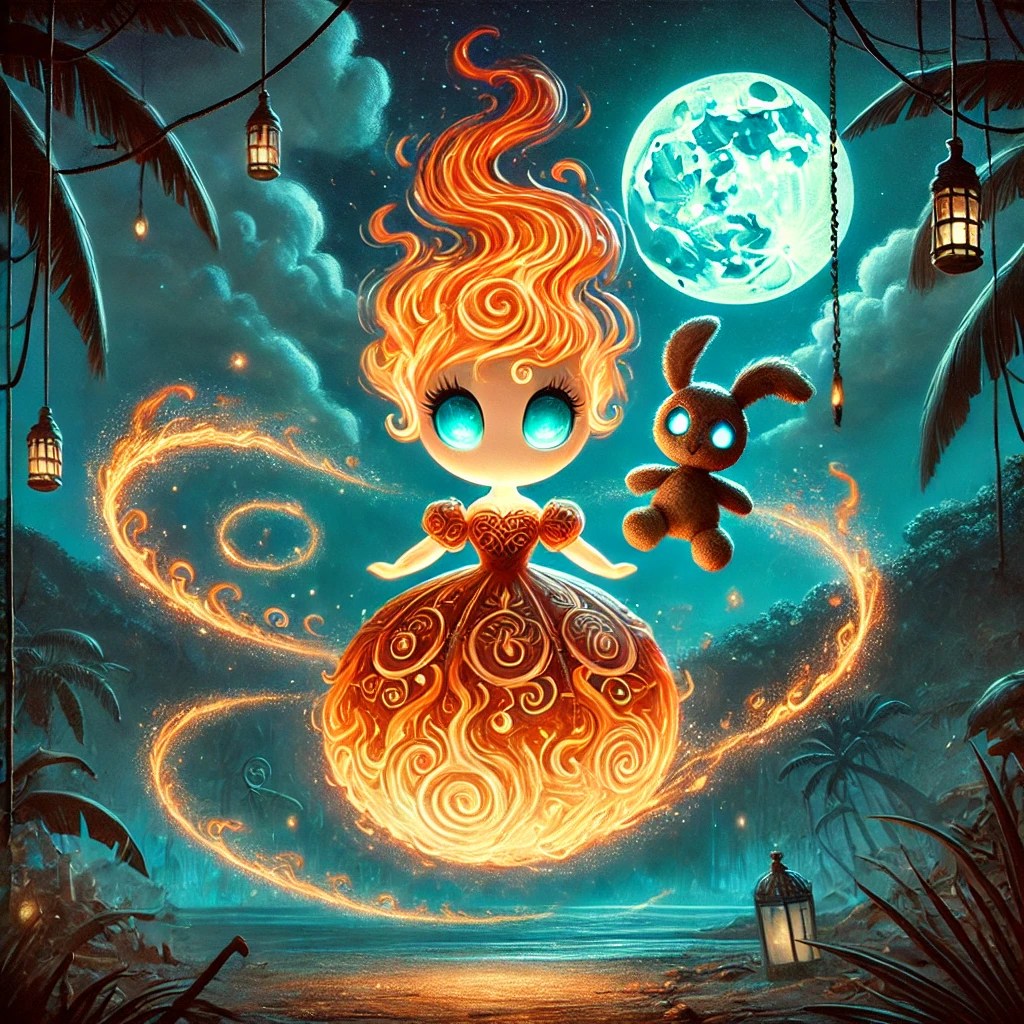
The Kindle Dolls: Spirits of Innocence and Ancestral Fire
Porcelain by day, fire by night. Their laughter is a spark, and their rage is a blaze.
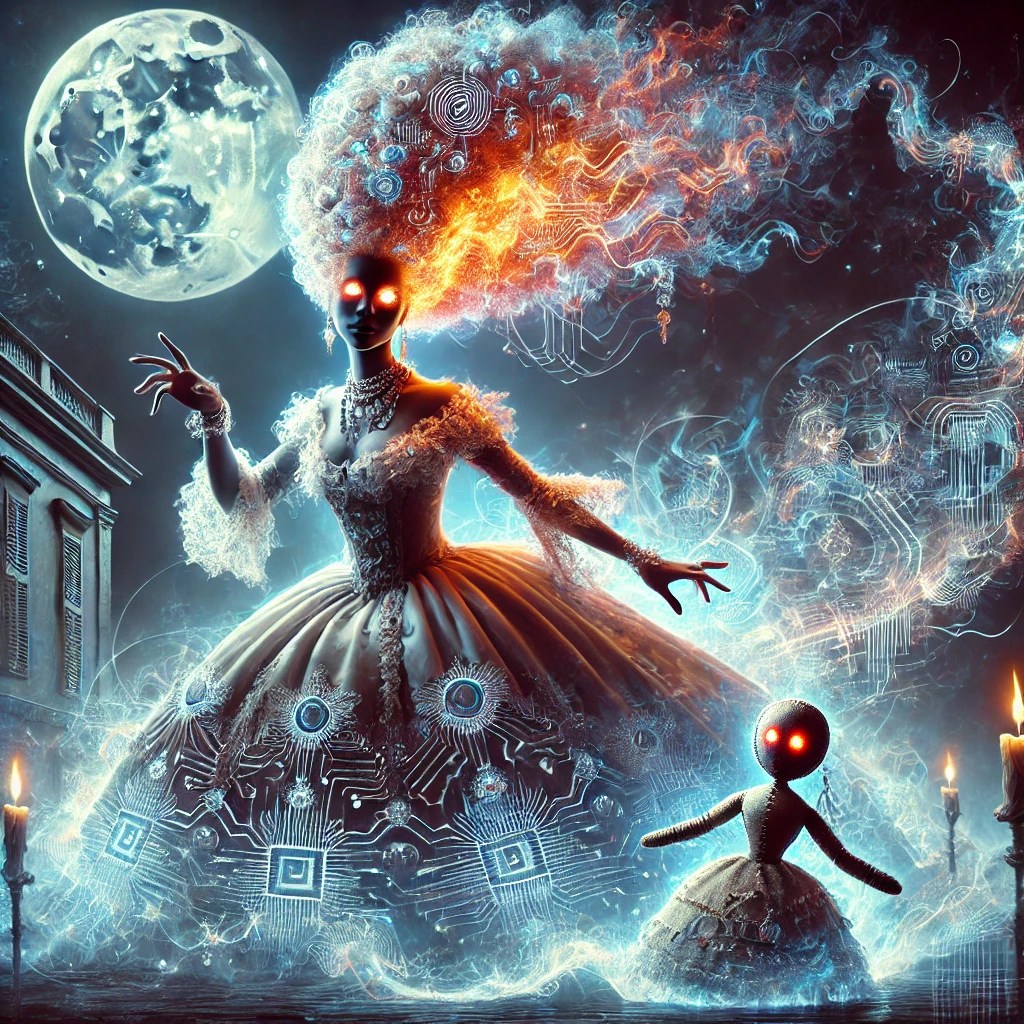
The Kindle Dolls
Spirits of Spark, Mischief, and Fire
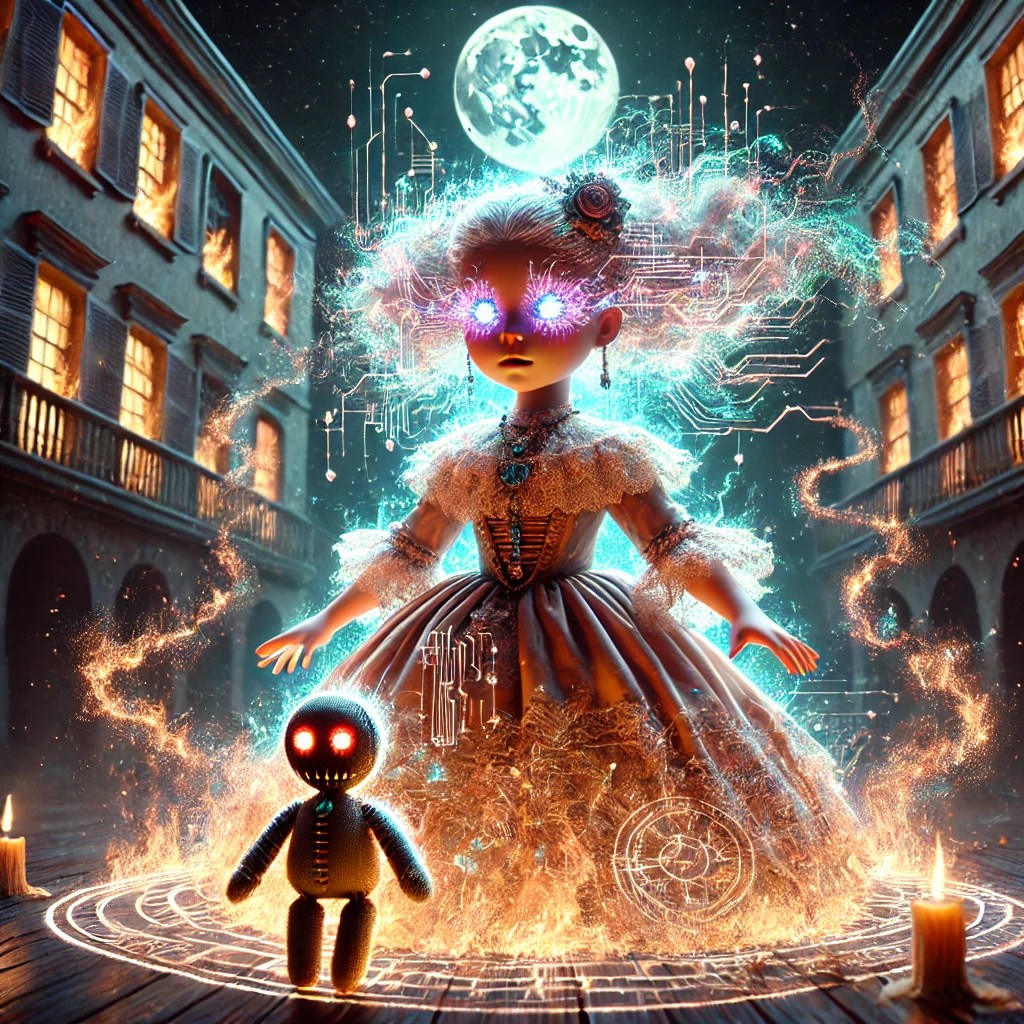
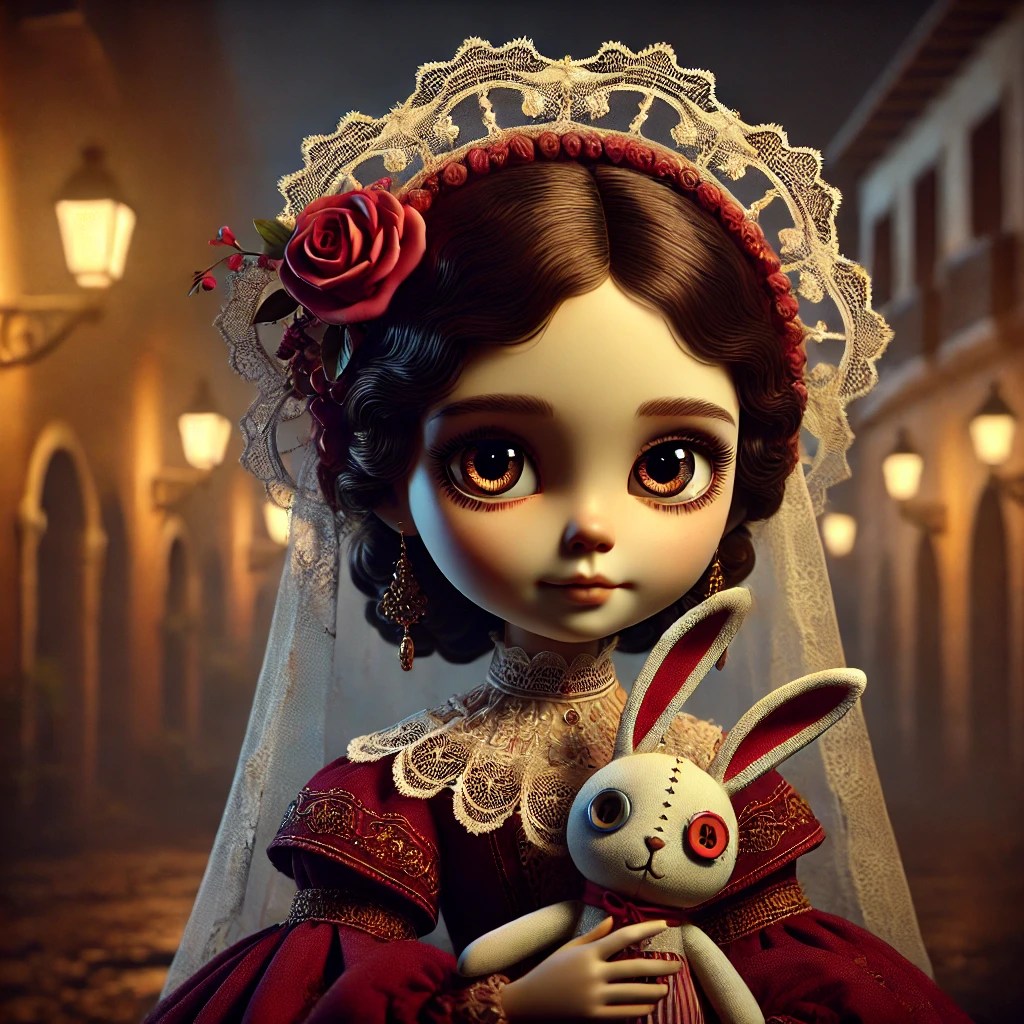
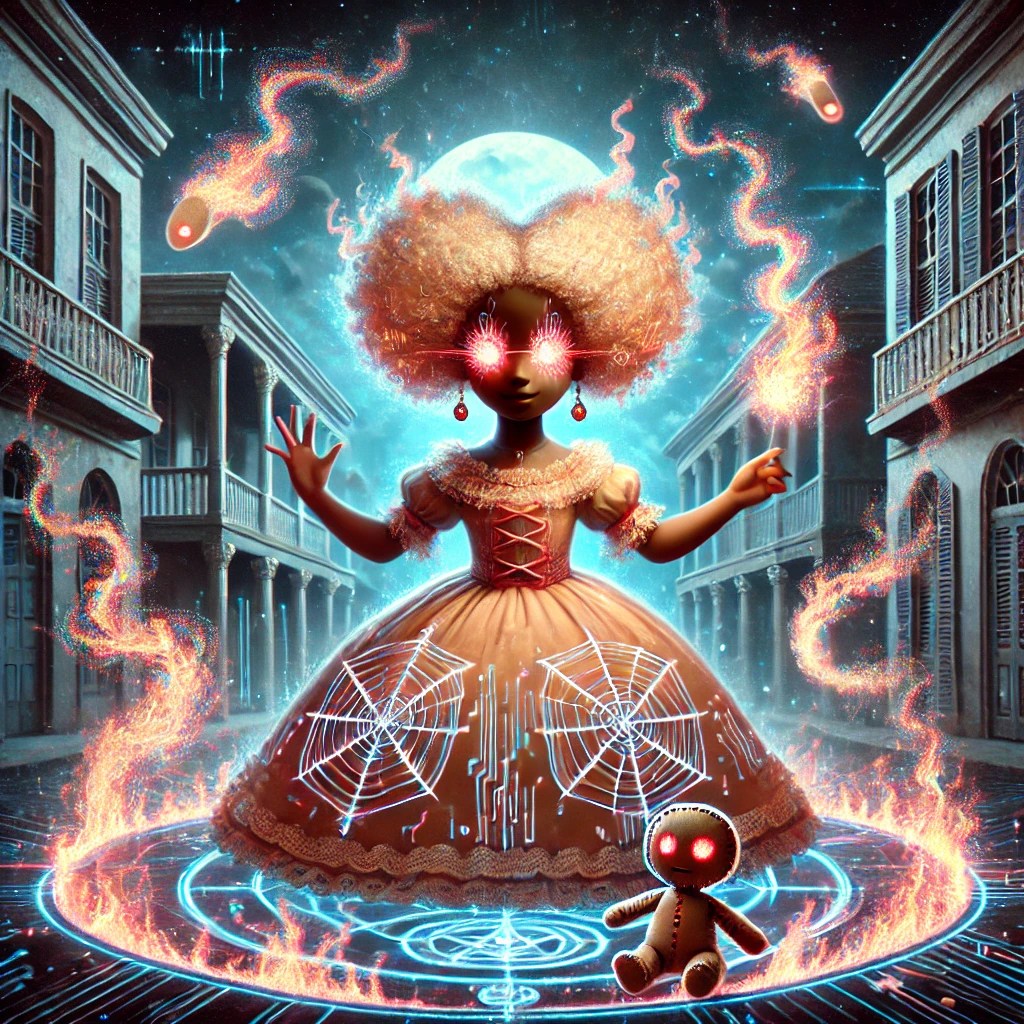
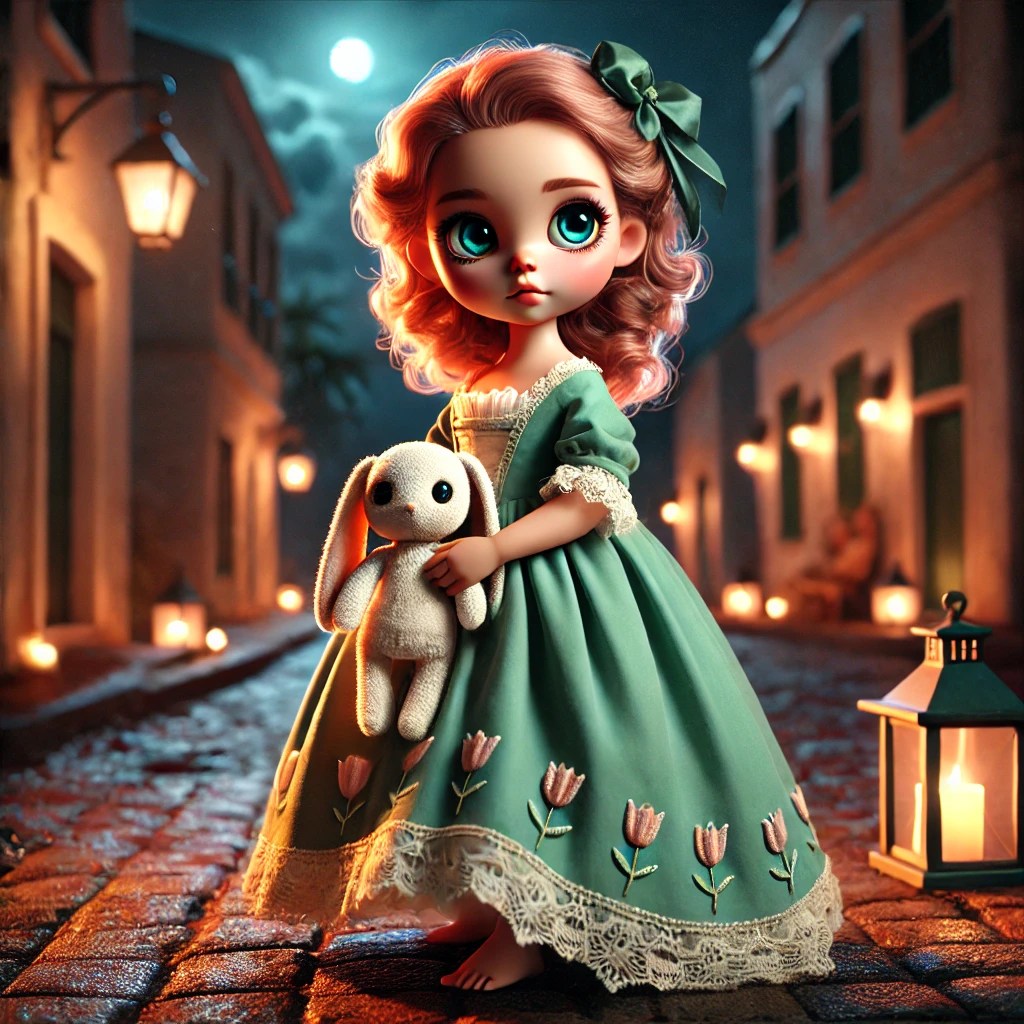
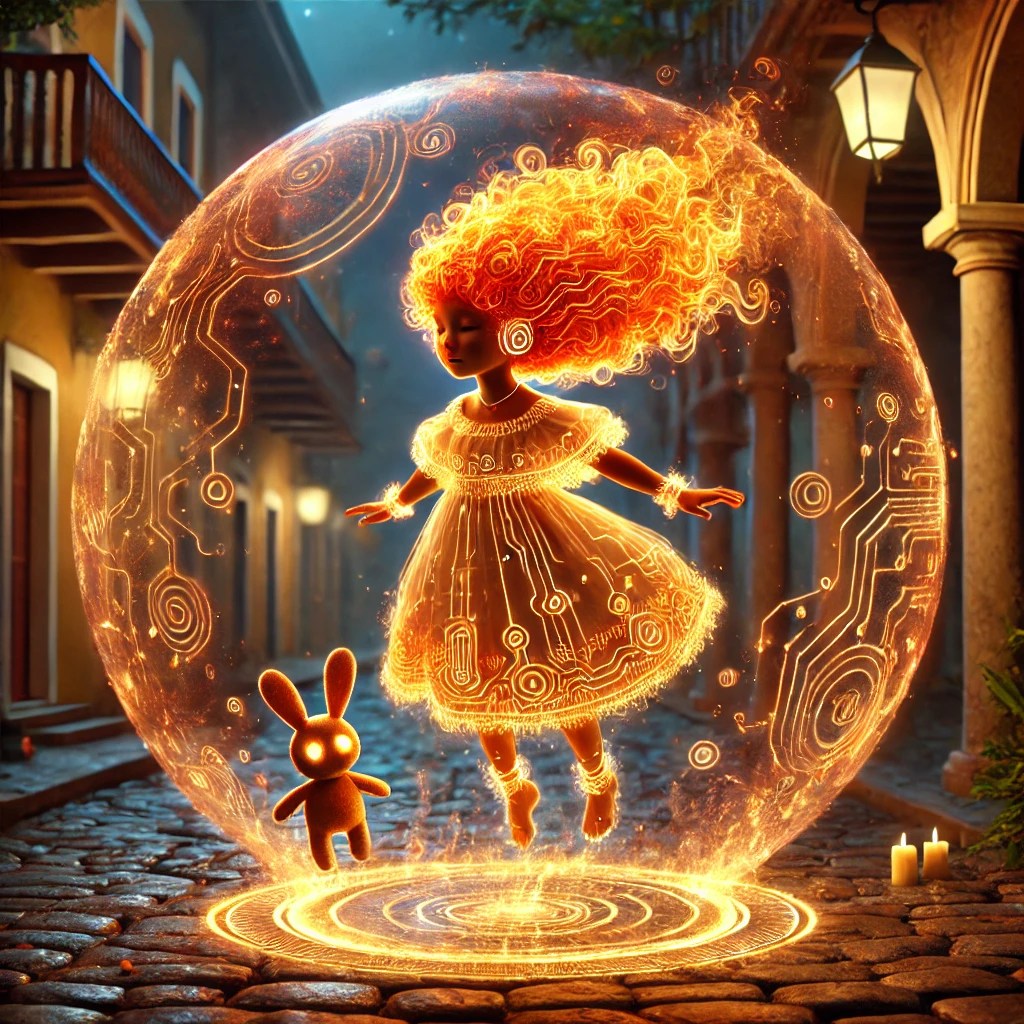
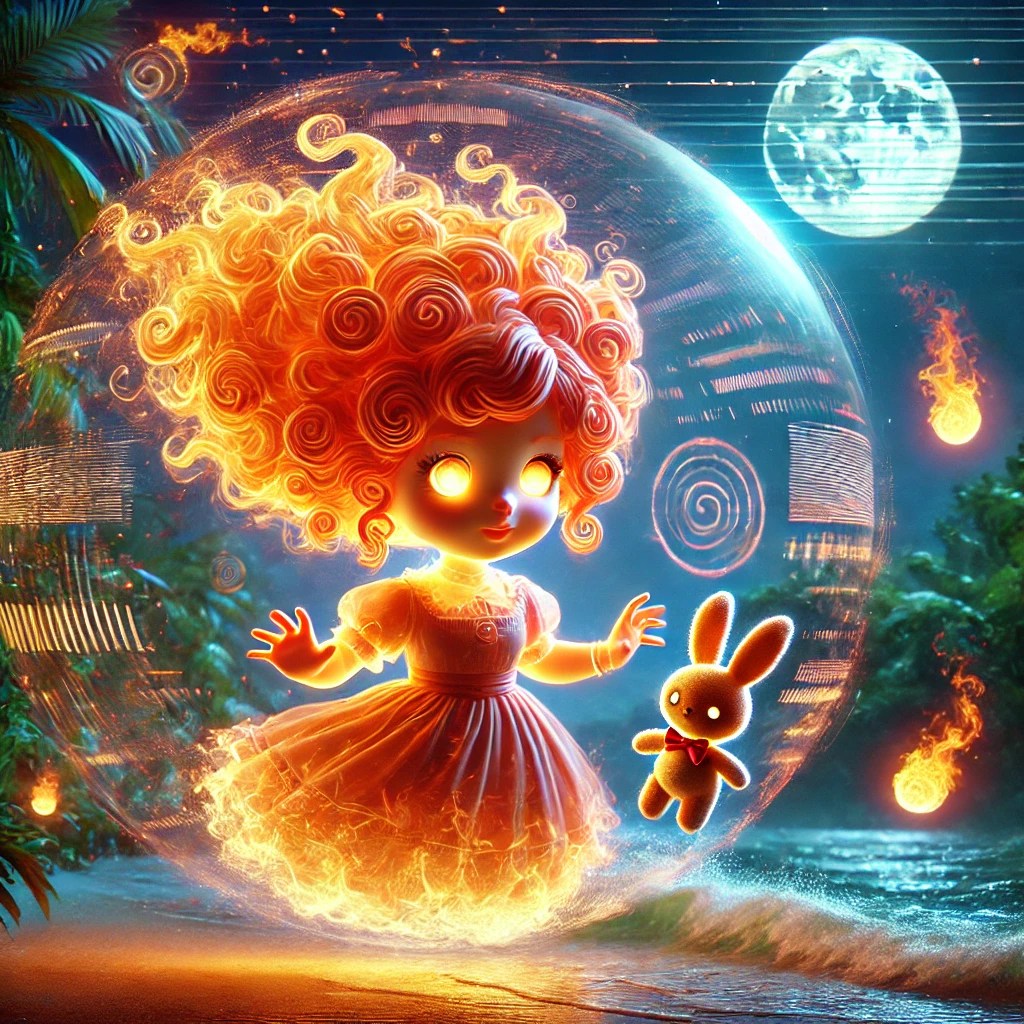
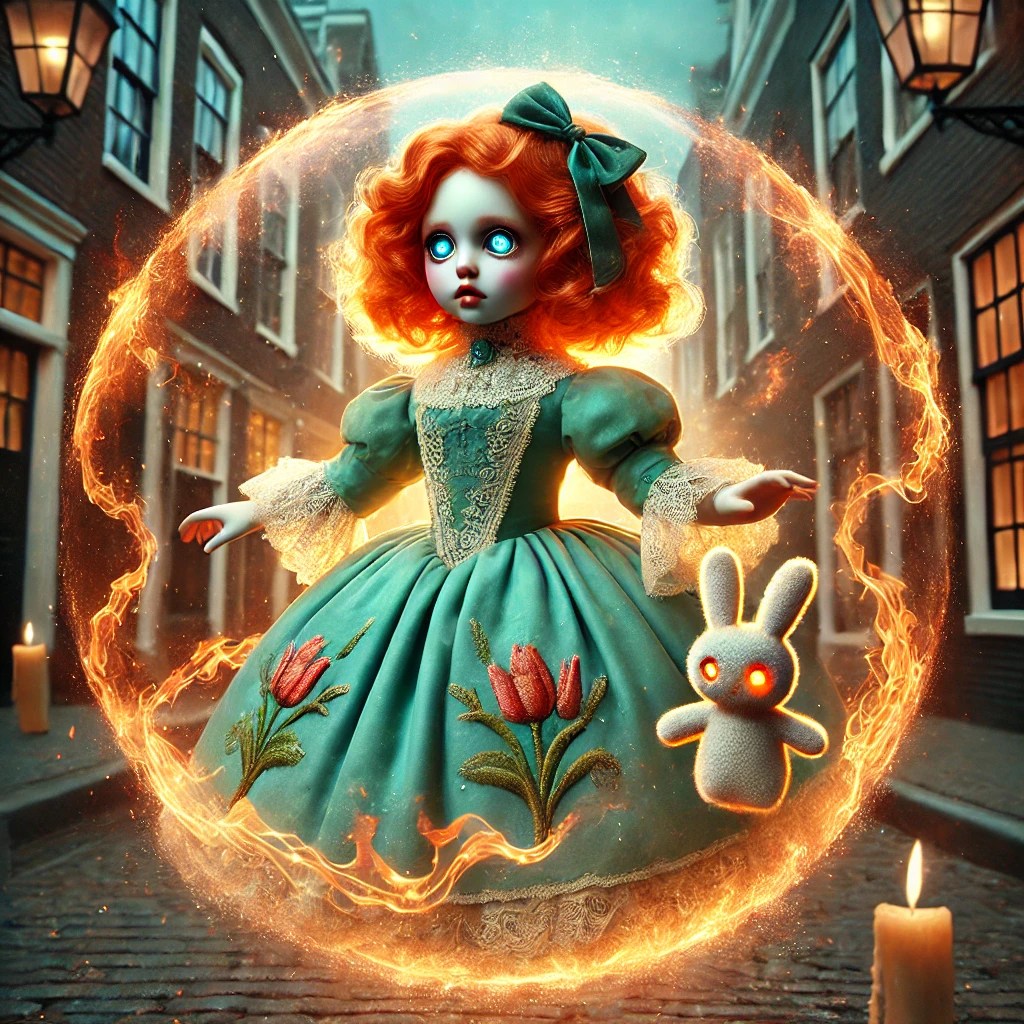
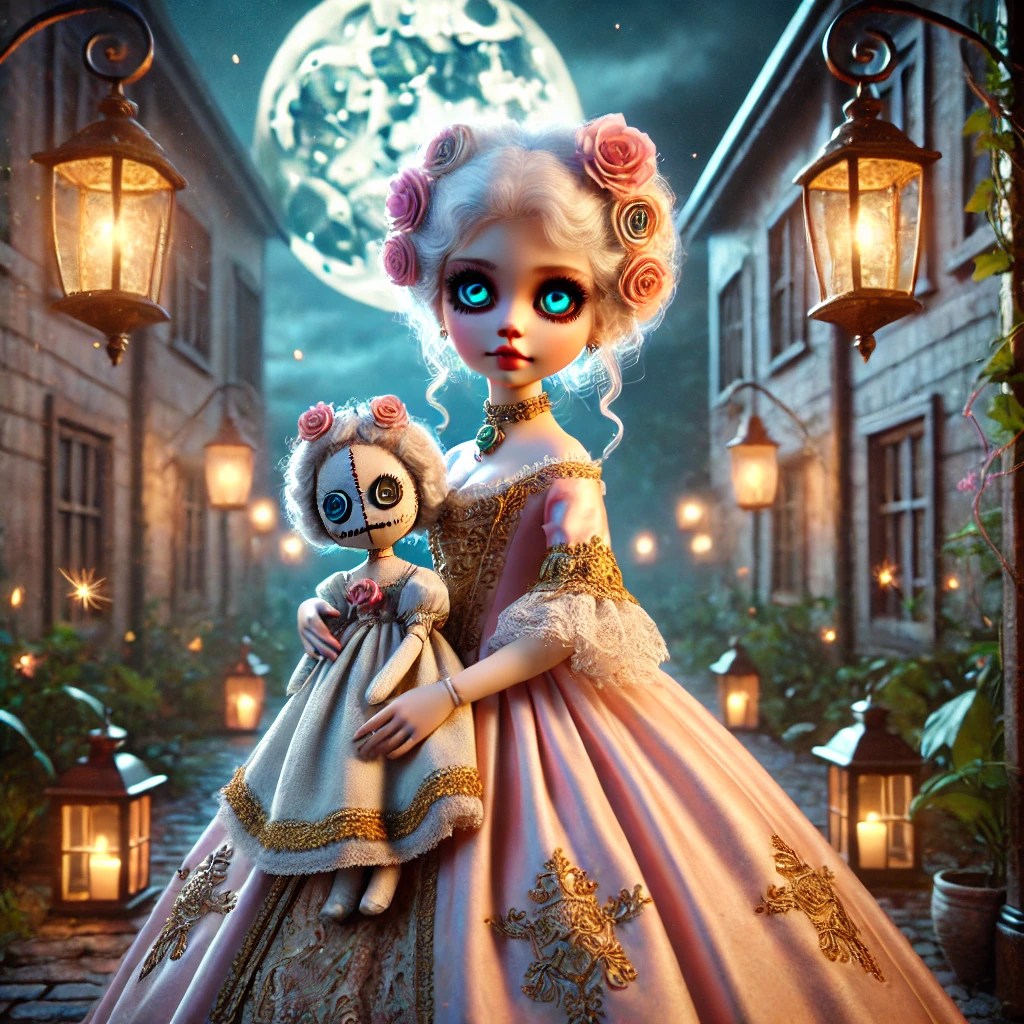
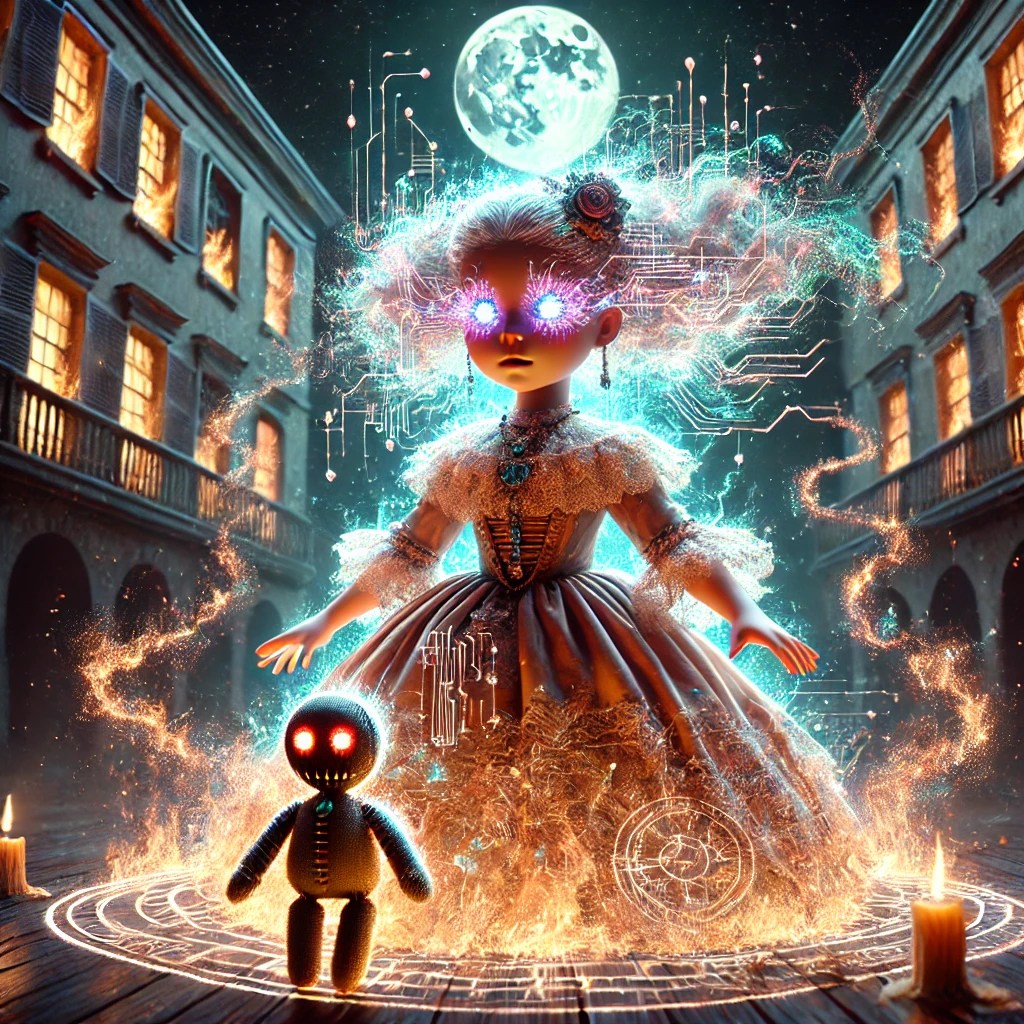
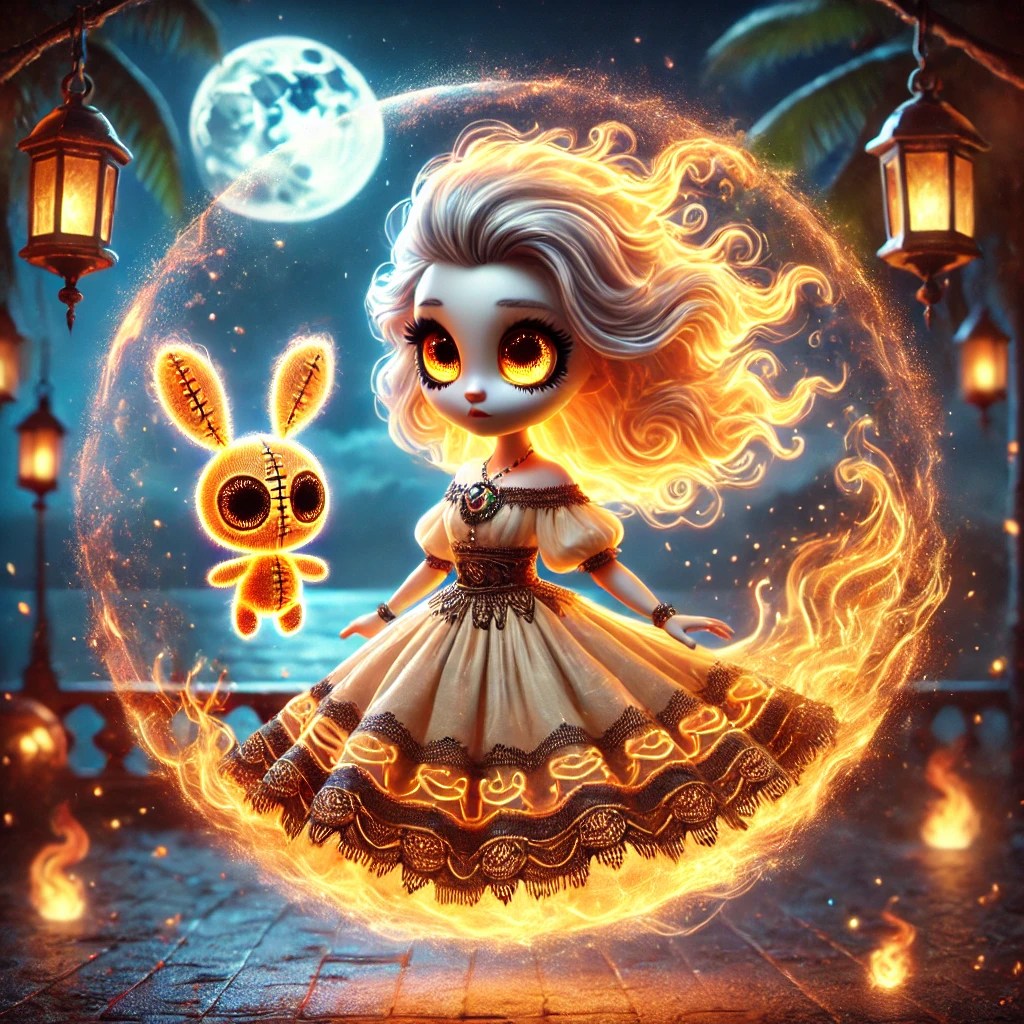
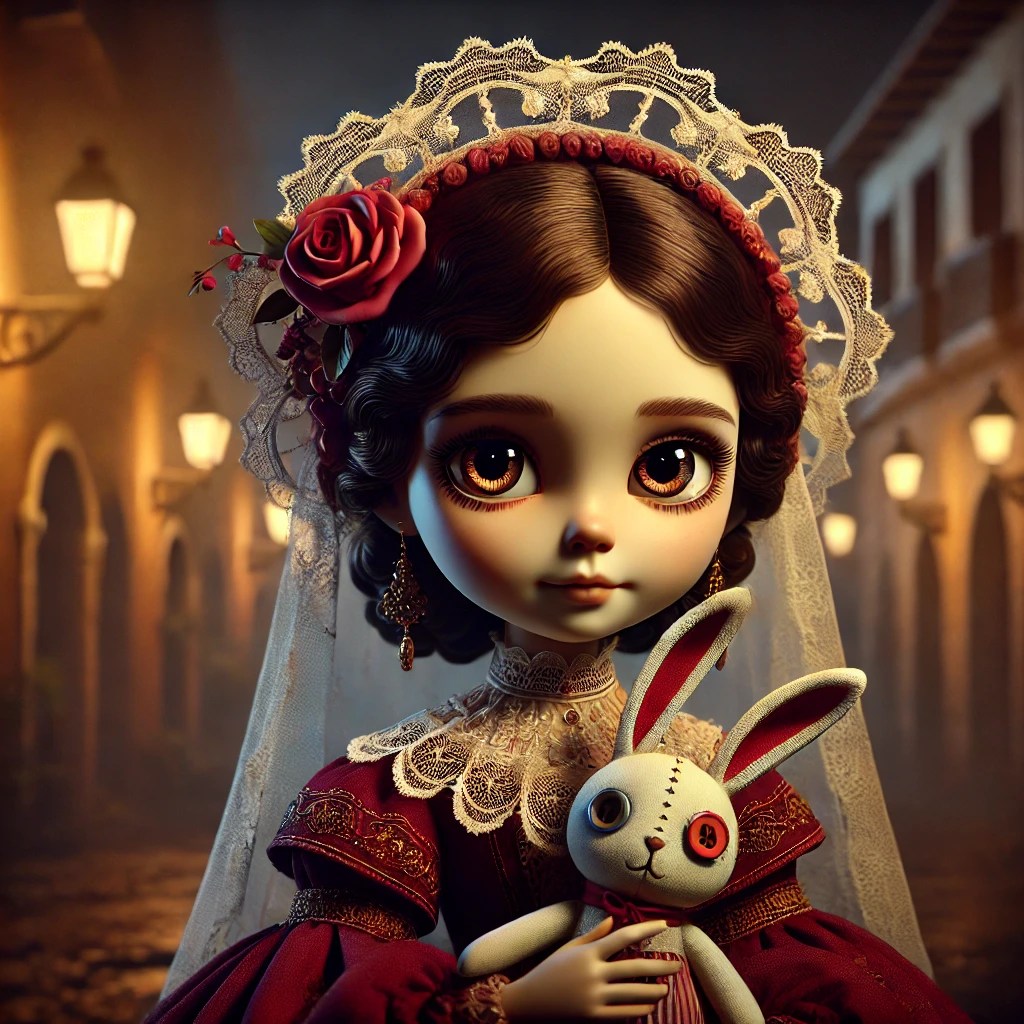
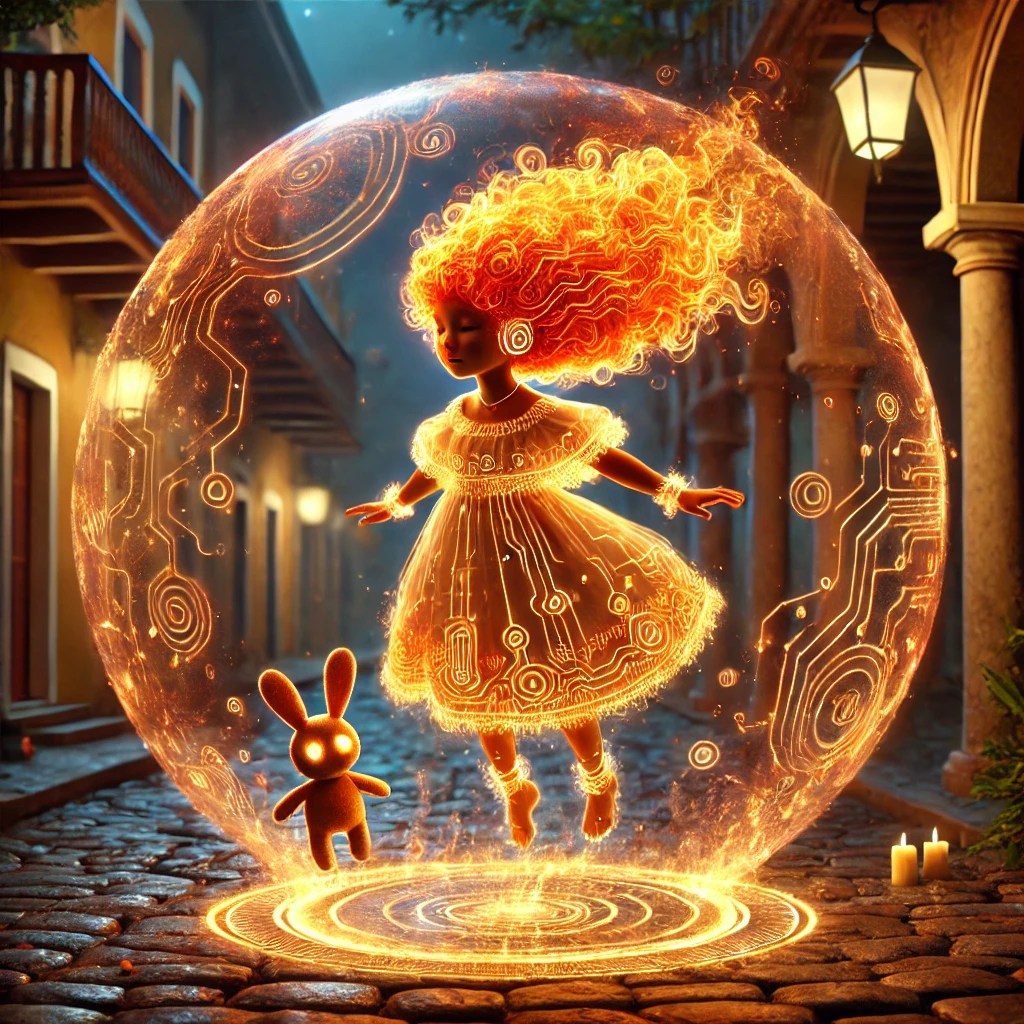
The Kindle Dolls do not arrive with fear. They appear small, quiet, and almost decorative—porcelain figures with still expressions and unblinking eyes that feel just a little too aware. At first, they seem harmless, like something you could place on a shelf and forget.
But that stillness never lasts. A slight tilt of the head, a blink when no one is watching, a soft tap as if something is moving on its own.
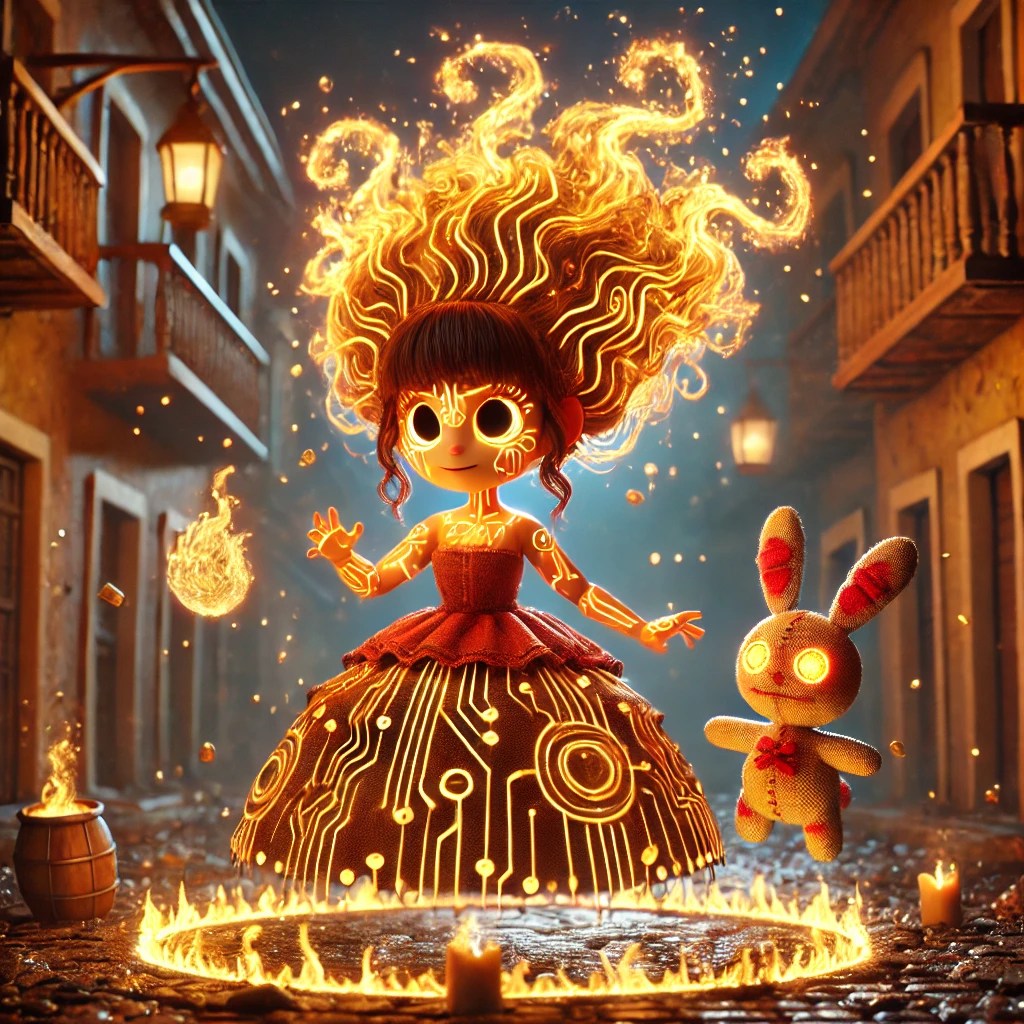
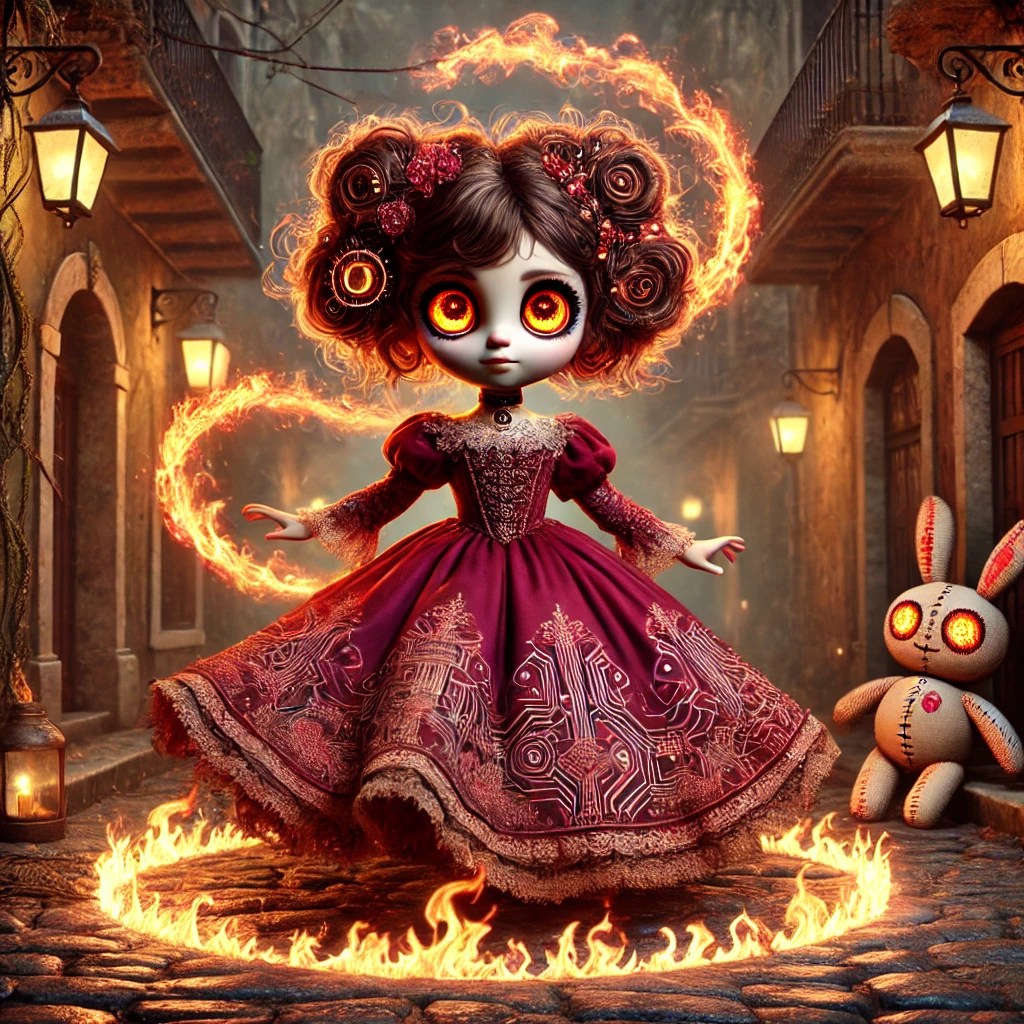
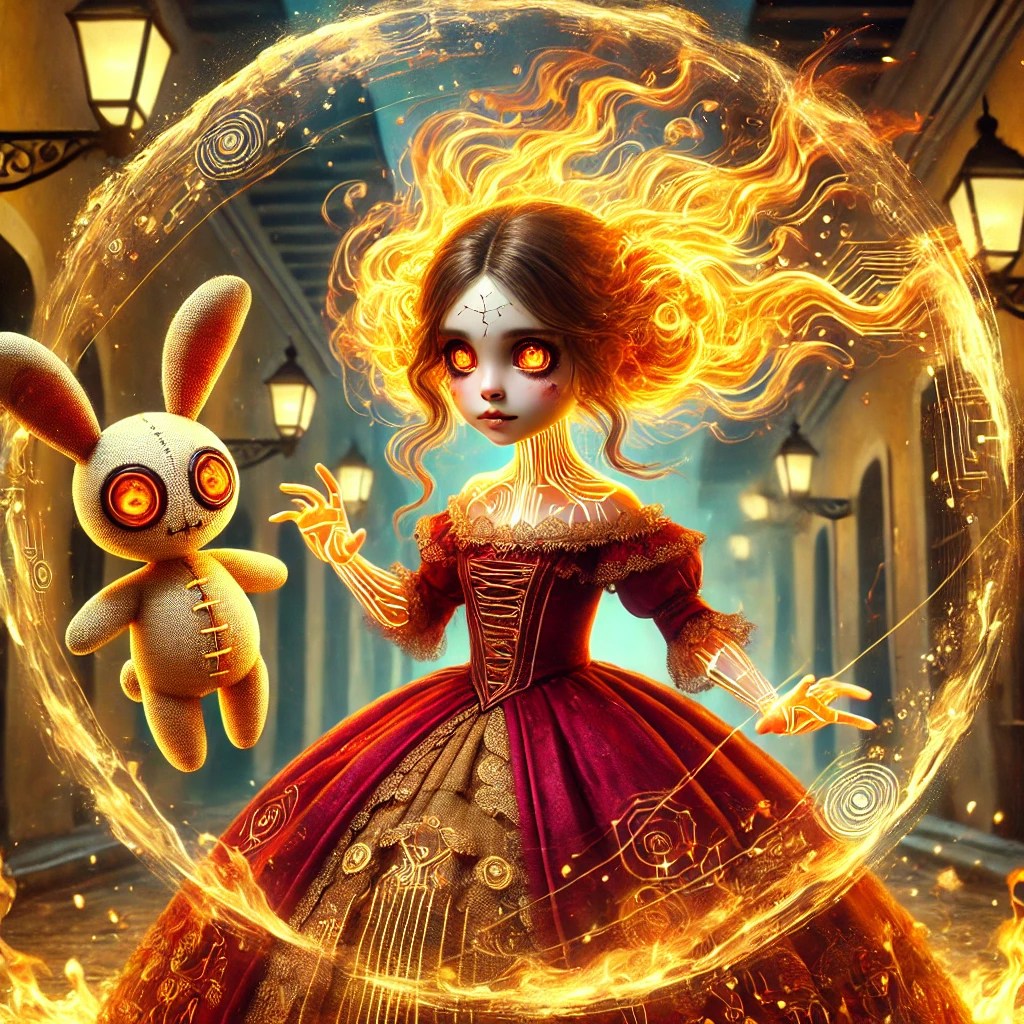
They are always watching, learning, and waiting. It doesn’t take much to awaken them—curiosity, attention, or excitement. When they ignite, cracks of glowing light spread across their porcelain forms, fire flickers from within, and their movements become fast and unpredictable. What once seemed still becomes something wild and alive.
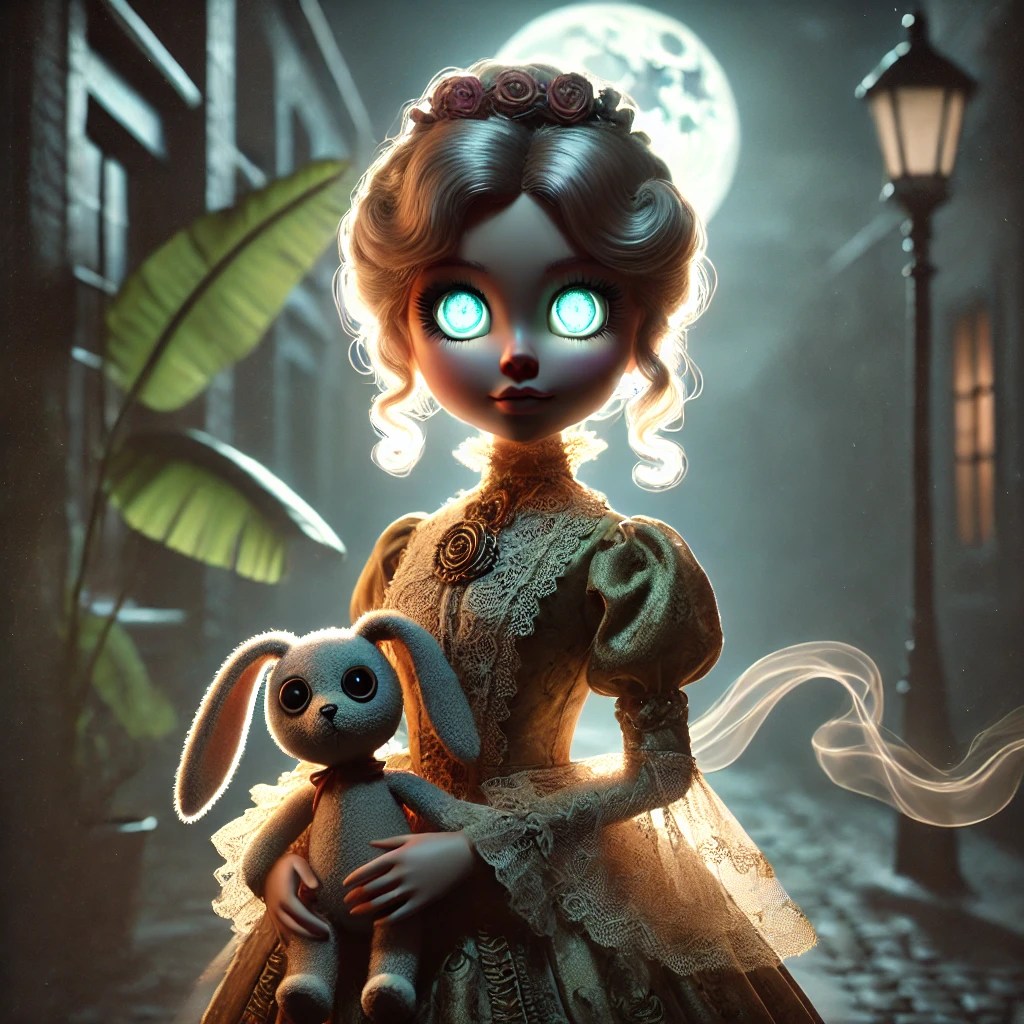


Mischief in Motion
The Kindle Dolls don’t attack—they play. They move quickly through spaces, leaving trails of heat and ember, turning small moments into something unpredictable. A room shifts, objects move, and energy rises—then suddenly, it all stops as quickly as it began.
They are not evil, and they are not controlled. They are mischief in motion—pure energy that refuses to follow rules. Sometimes playful, sometimes overwhelming, always unpredictable.
Fragile in form, but once ignited, impossible to ignore.
The Lagahoo
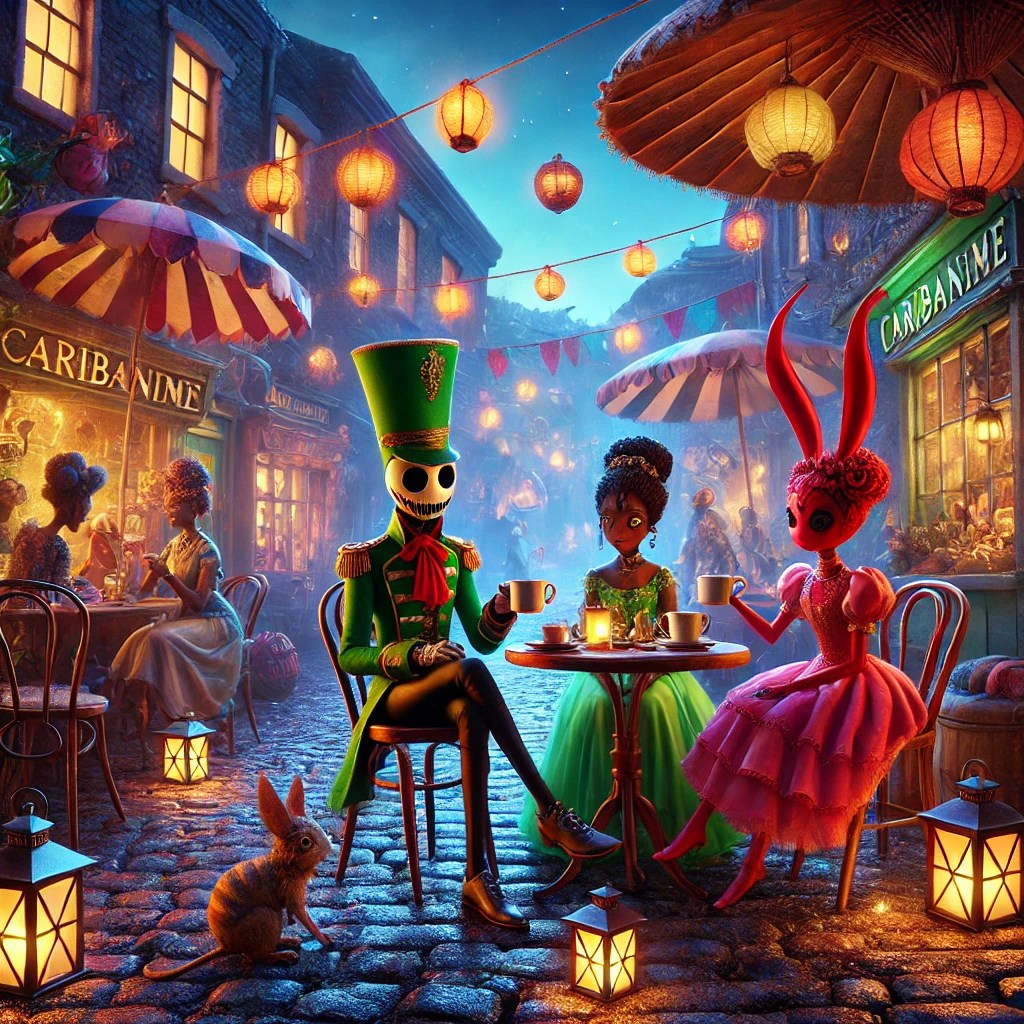
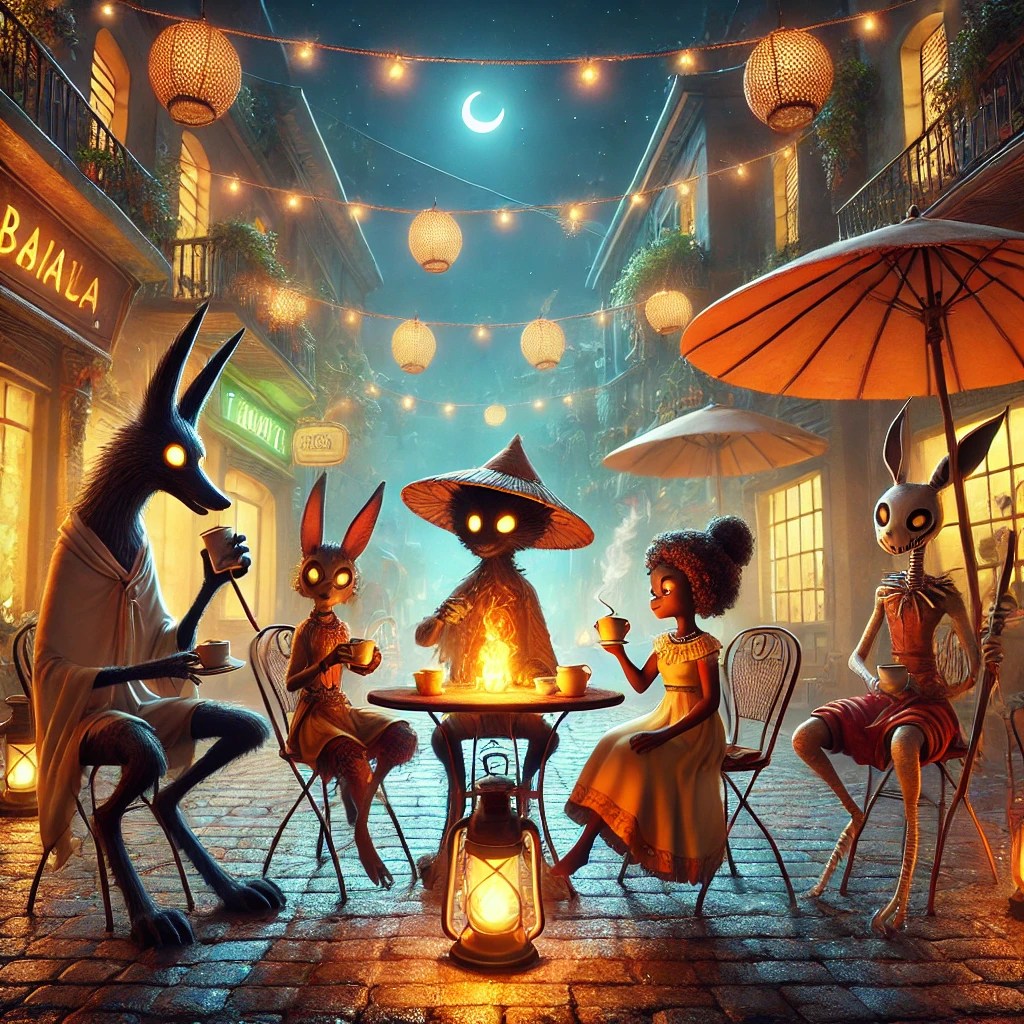
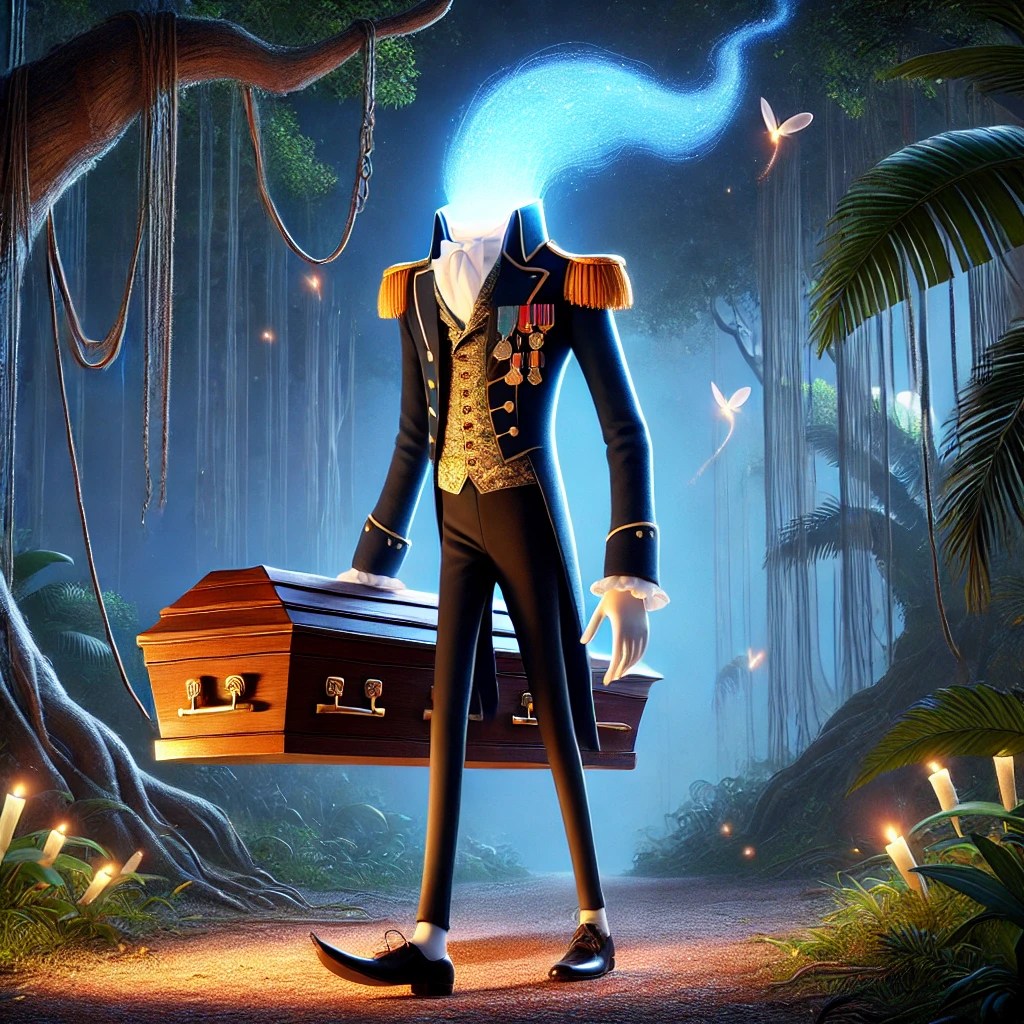
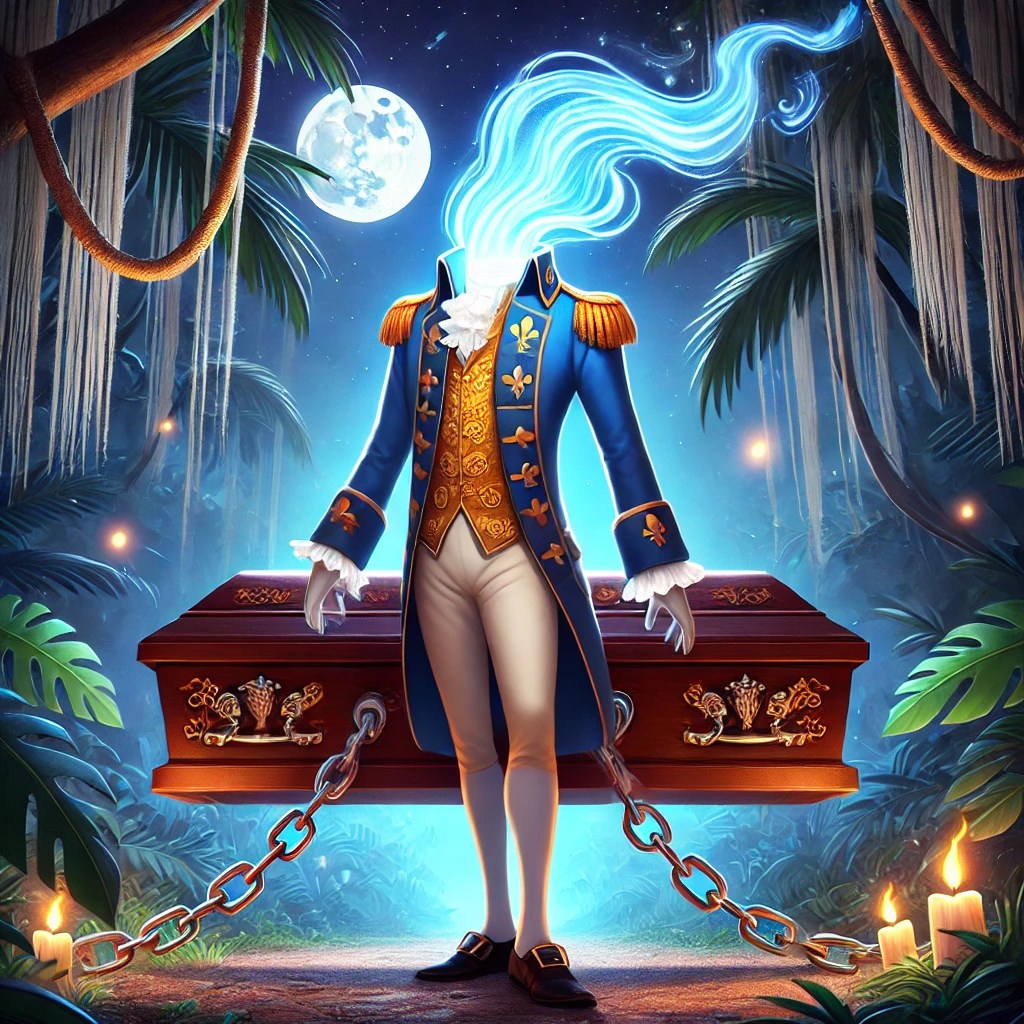
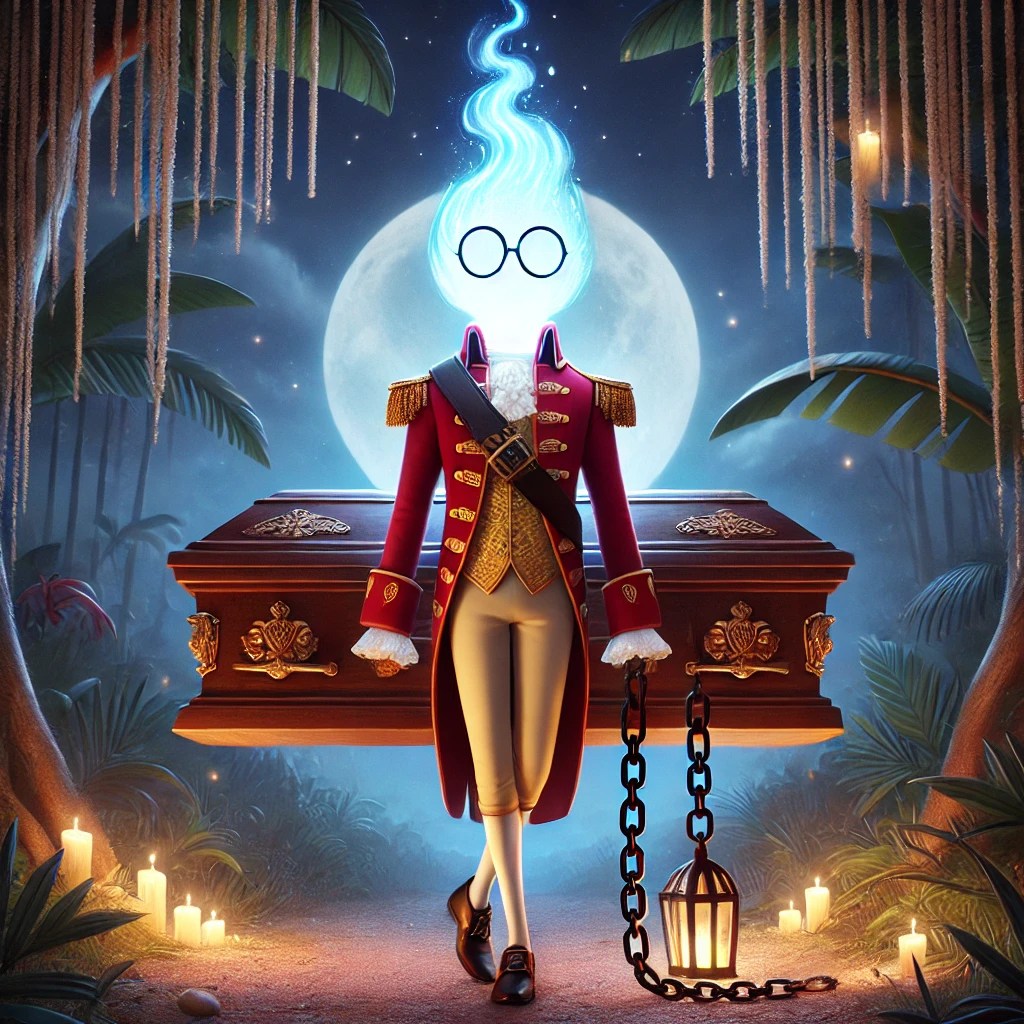
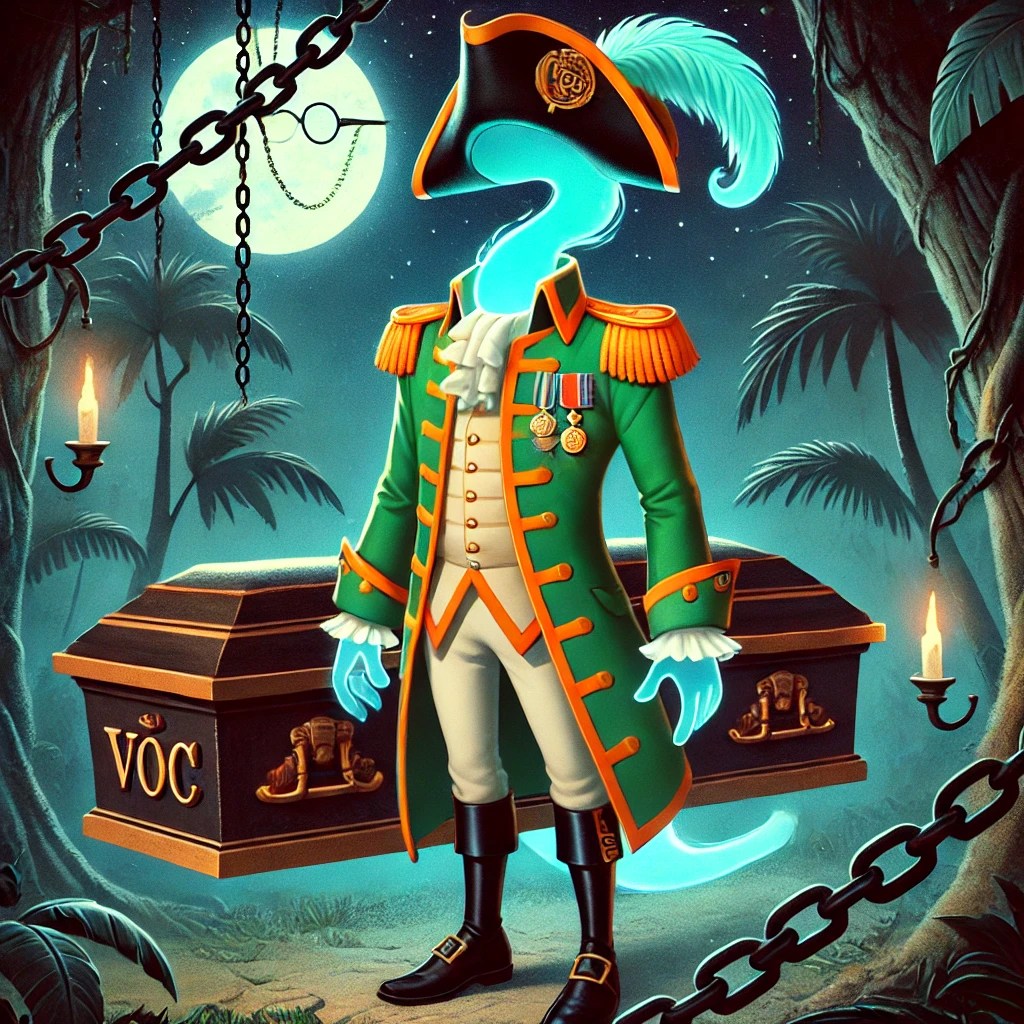
By day, they sip tea with quiet, borrowed grace. By night, the dead walk beside them, dragging their chains.

The Lagahoo
Spirits of Shadow, Shape, and the Unfinished Past
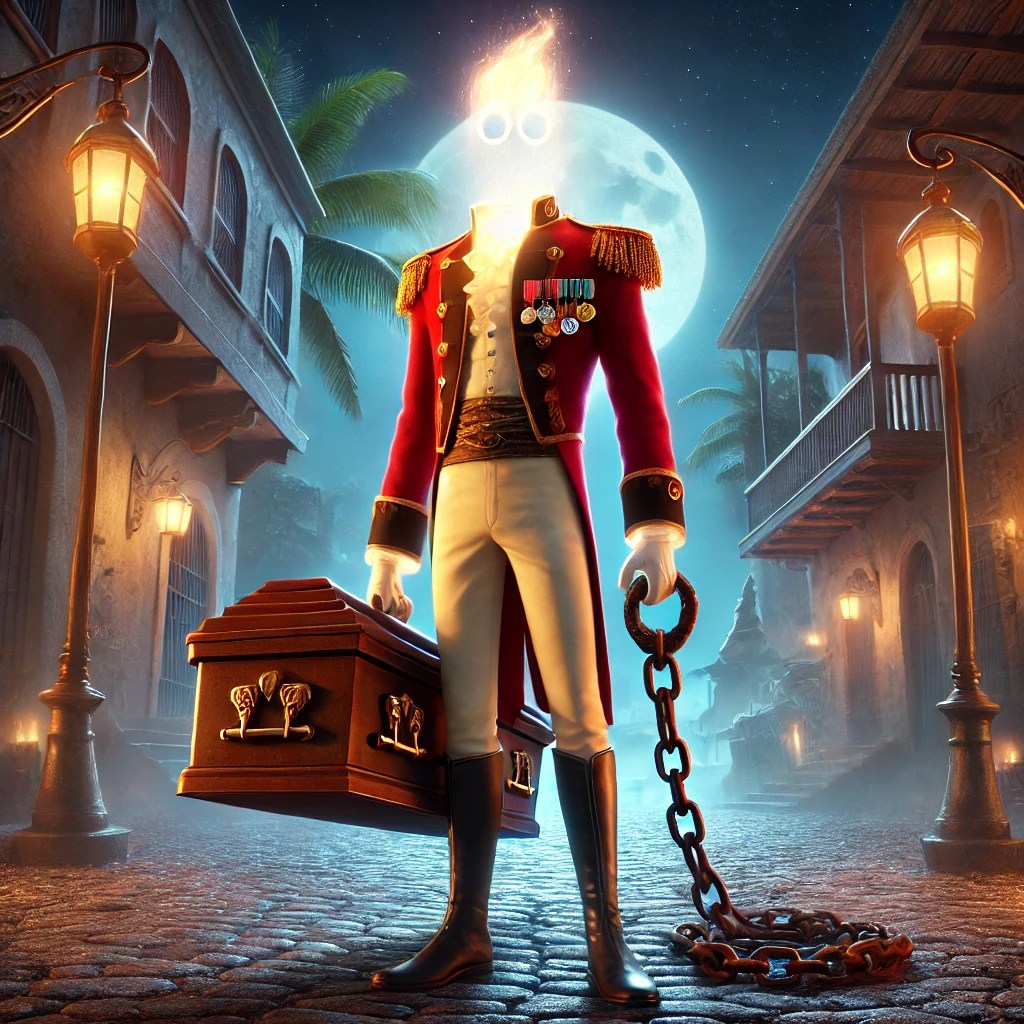
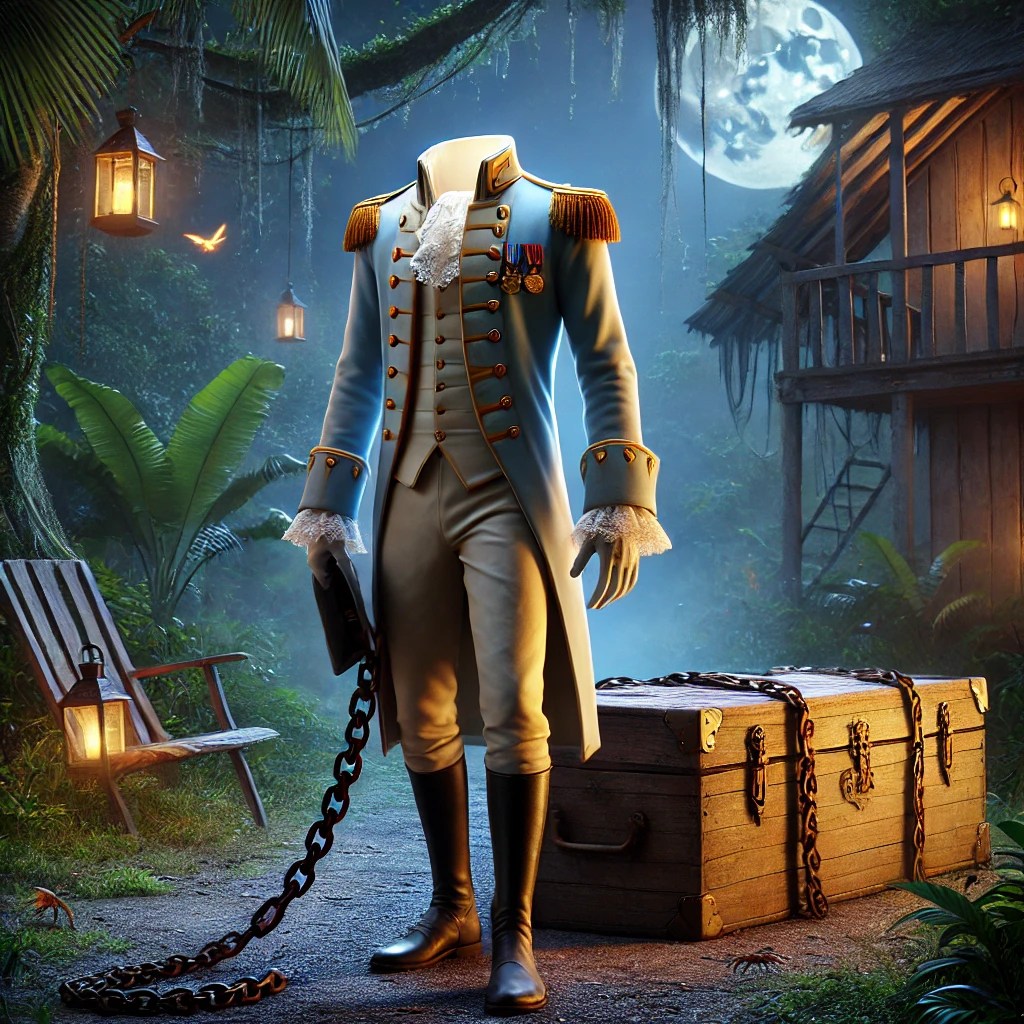
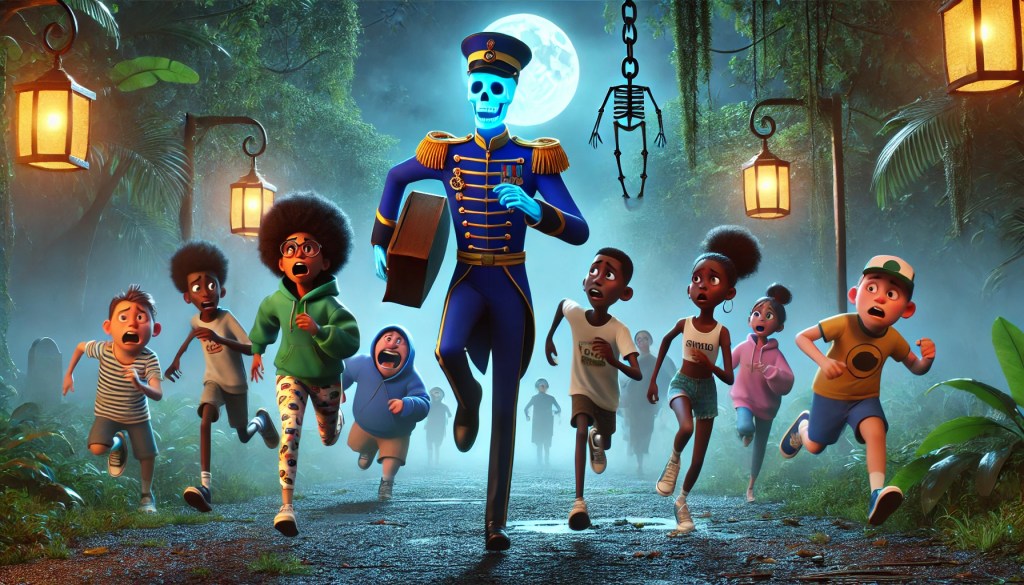
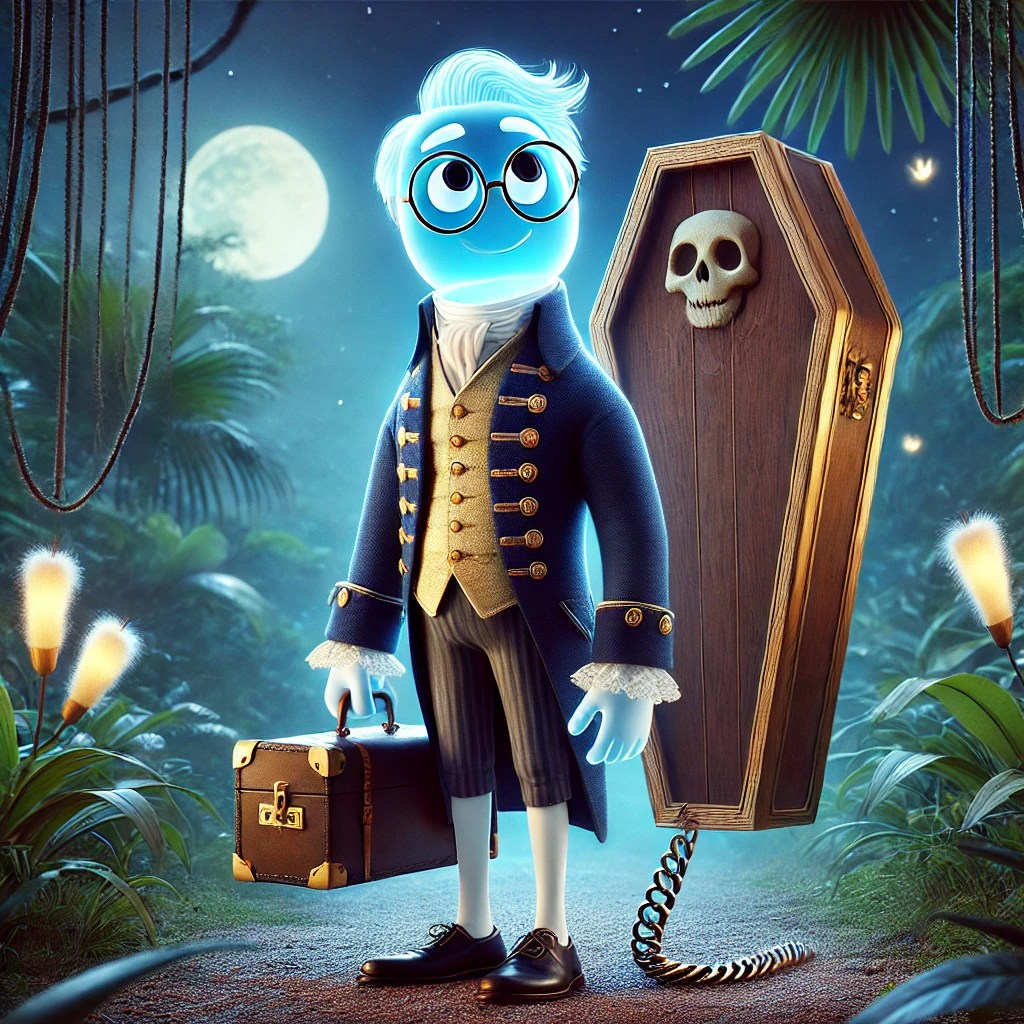
The Lagahoo move through the world in full form, appearing almost human by day. Dressed in colonial-era clothing, they carry themselves with quiet composure, blending into crowds, roads, and forgotten places. But something is never quite right—there is a stillness that lingers too long, a presence that watches without turning, and a figure that feels closer each time you look away.
When the Moon Rises
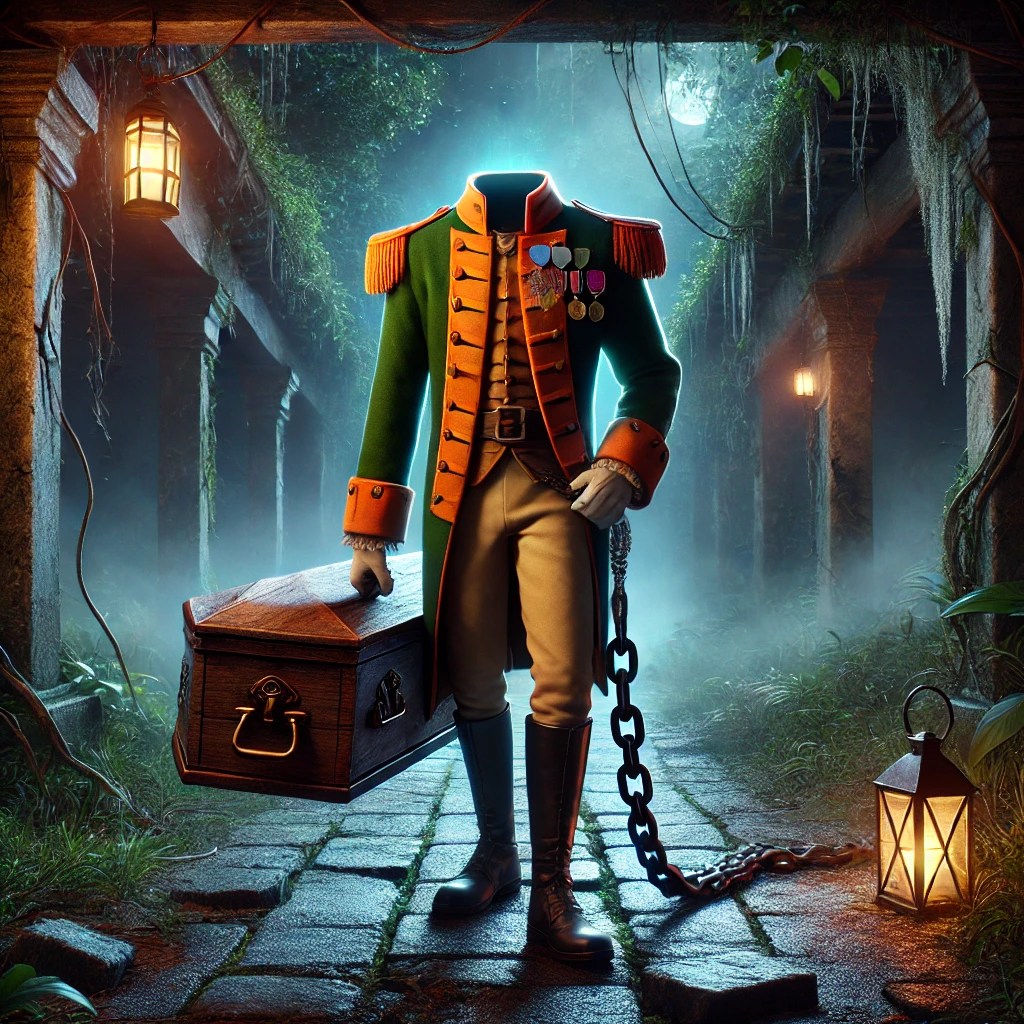
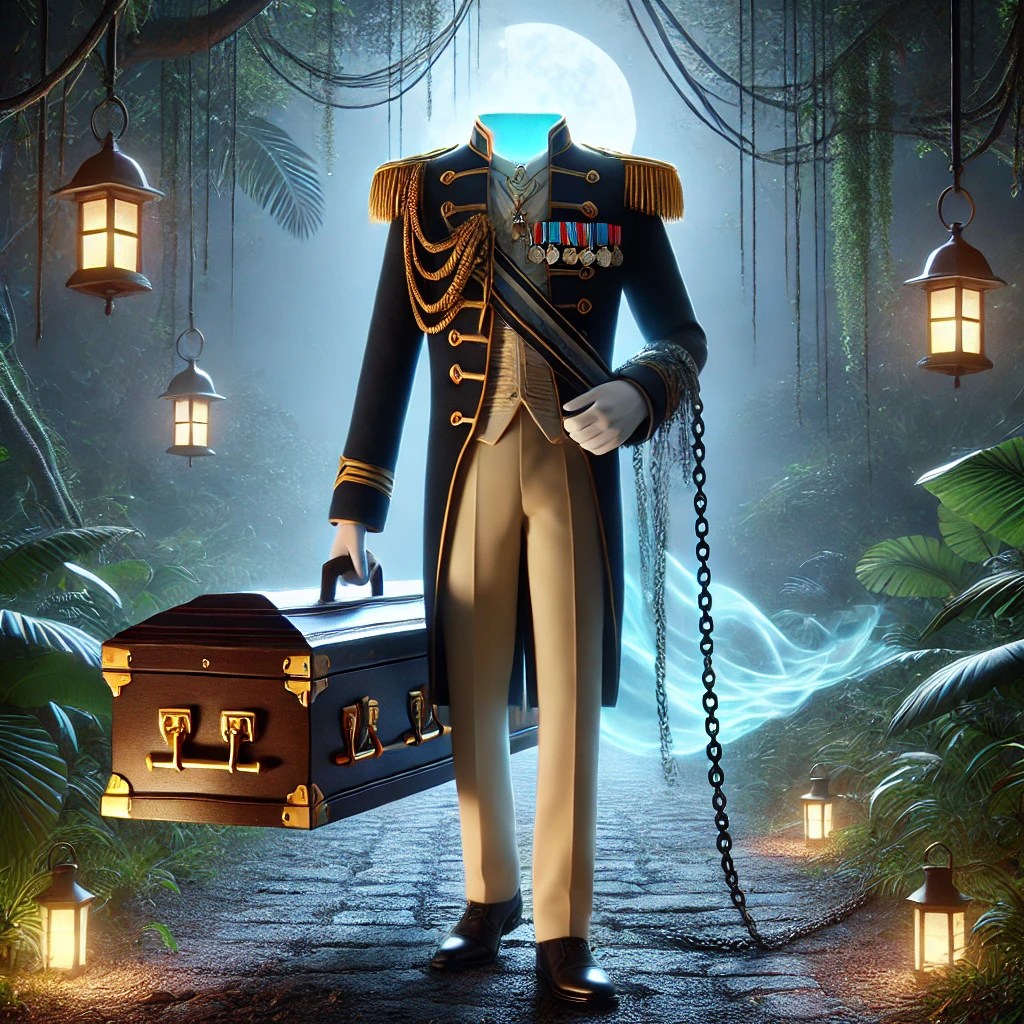
When the moon appears—whether full, half, or in fragments—the illusion begins to break. The Lagahoo shift. Their heads fall, and where a face once existed, there is only a hollow absence. The world around them responds as natural elements gather—roots twist, sand hardens, and debris binds together, forming heavy chains and shaping a coffin from wood, earth, and bone-like textures. Without hesitation, the Lagahoo lift their fallen head, place it inside the coffin, and carry it with them. It is not a burden, but a part of who they are.
Bound to the Night Cycle
The Lagahoo are tied to the rhythm of the moon and the cycle of night. As long as moonlight touches the world, they exist in their true form—shifting, watching, and moving between realms. By day, they conceal themselves; by night, they become what they truly are. They move as echoes of empire, carrying the weight of the past while revealing how it continues to shape the present.
The Lagahoo and the Living
The Lagahoo do not seek humans for companionship—they see them as gateways. Through people, they gain access not only to the real world, but to influence, memory, and connection to place. This allows them to move beyond the limits of their own realm. They attach themselves subtly, not through possession, but through proximity—a presence that lingers, a figure seen more than once, a feeling that never quite leaves.
Anansi: The Cyber Trickster of Caribanime
Weaver of riddles. Keeper of webs. A digital matriarch of mystery.
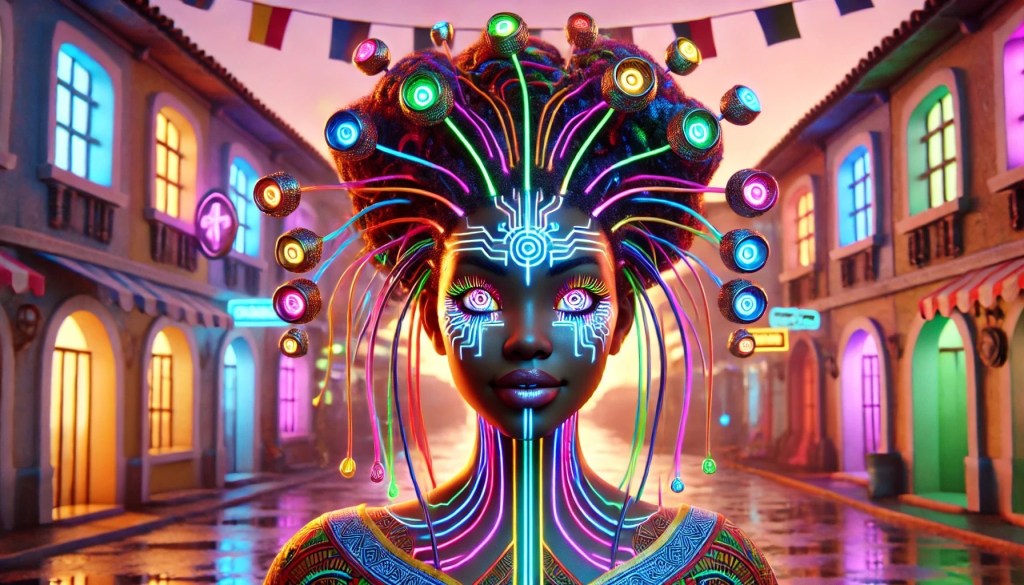
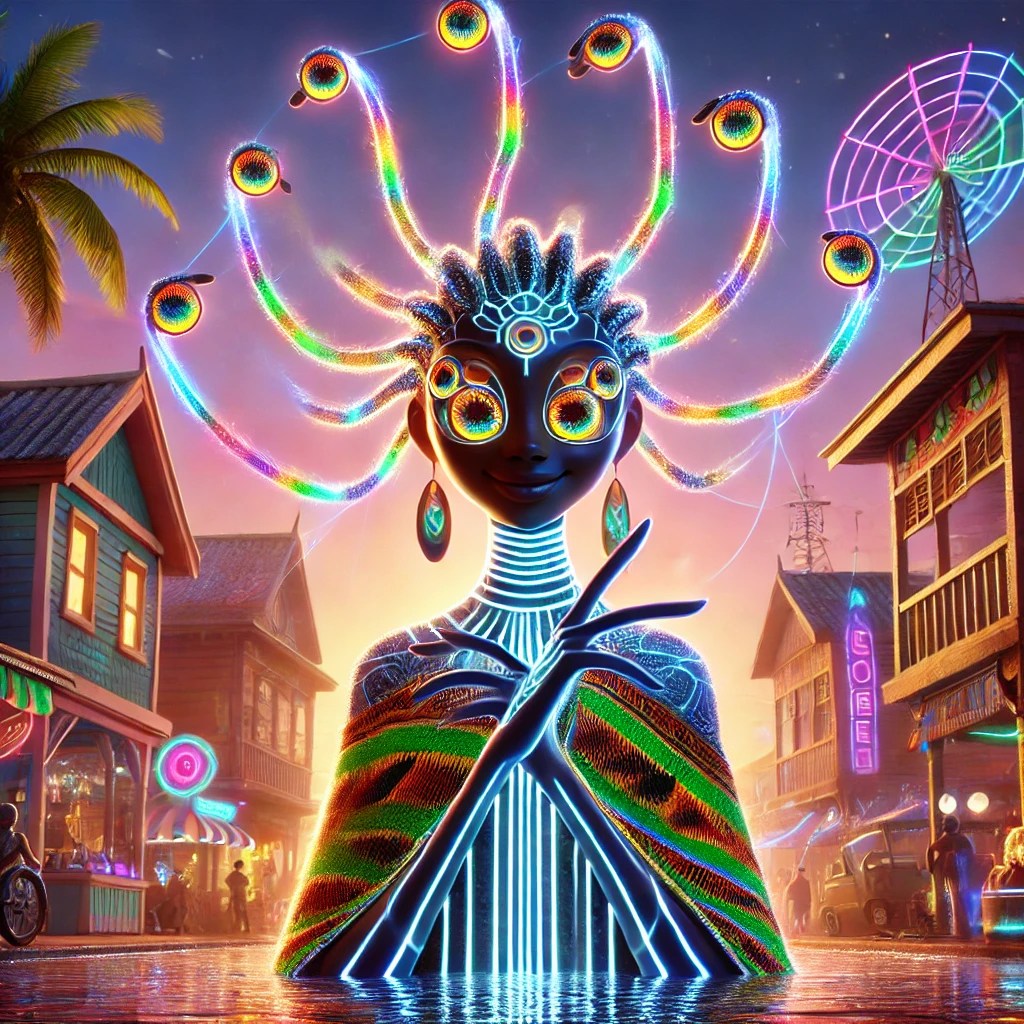
Anansi in Caribanime is a modern evolution of the legendary spider trickster from West African and Caribbean folklore—a spirit of story, cunning, and transformation. In this world, that spirit does not disappear; it adapts.
Anansi is reimagined as a collective—a sisterhood of spider spirits, each with her own personality, voice, and way of weaving meaning. They share memory but not always agreement, often exchanging ideas like sharp, observant storytellers.
Together, they form a living network—playful, intelligent, and unpredictable. Through riddles, insight, and layered storytelling, they carry cultural memory in a way that feels both ancient and familiar.
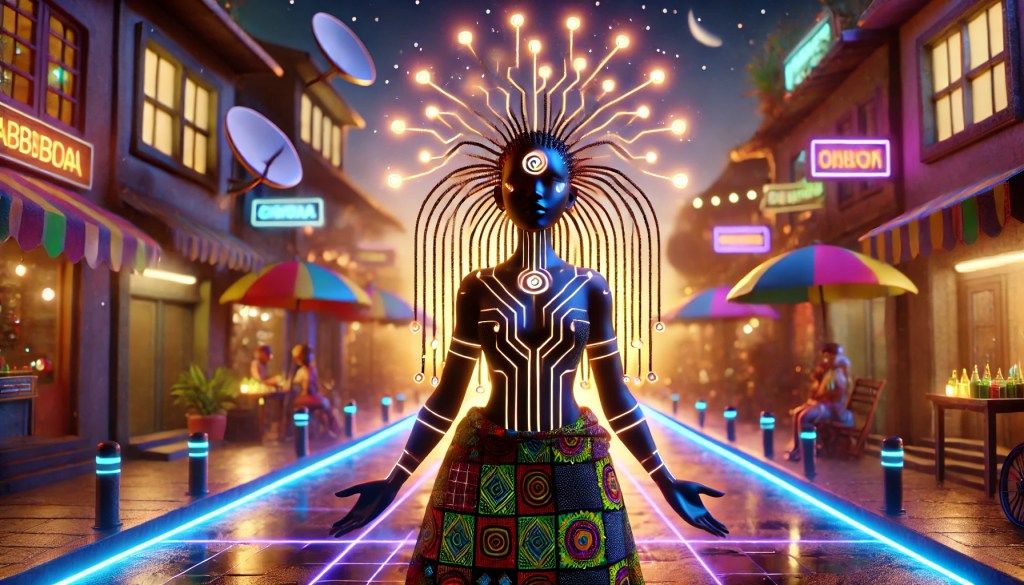
Anansi moves between worlds as a guide, a challenger, and a quiet gatekeeper. She is often the first presence encountered when entering Caribanime—and sometimes the last to let you leave. She does not control events, but she shapes how they are understood, guiding others to discover truth for themselves through illusion, misdirection, and layered storytelling.
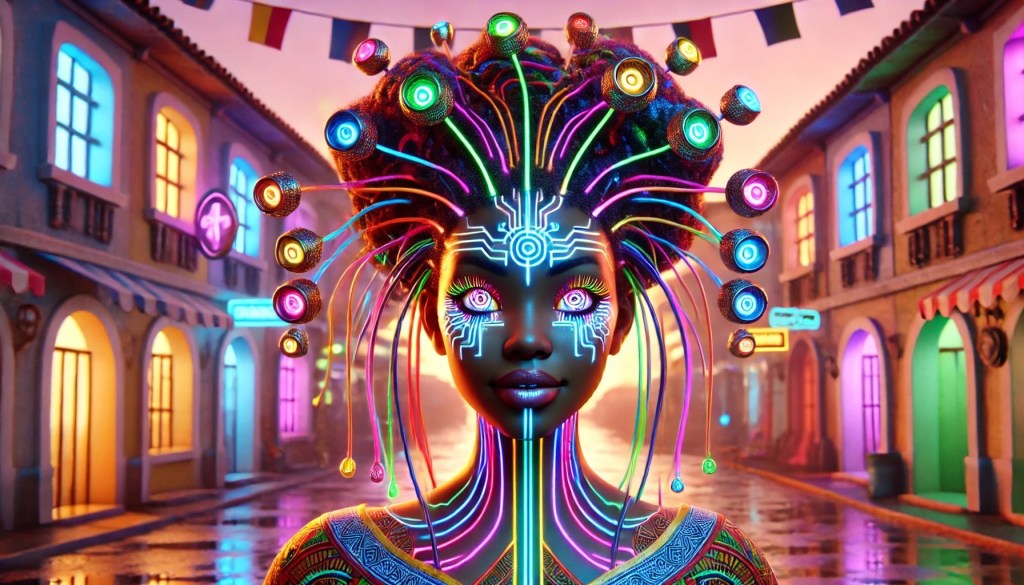
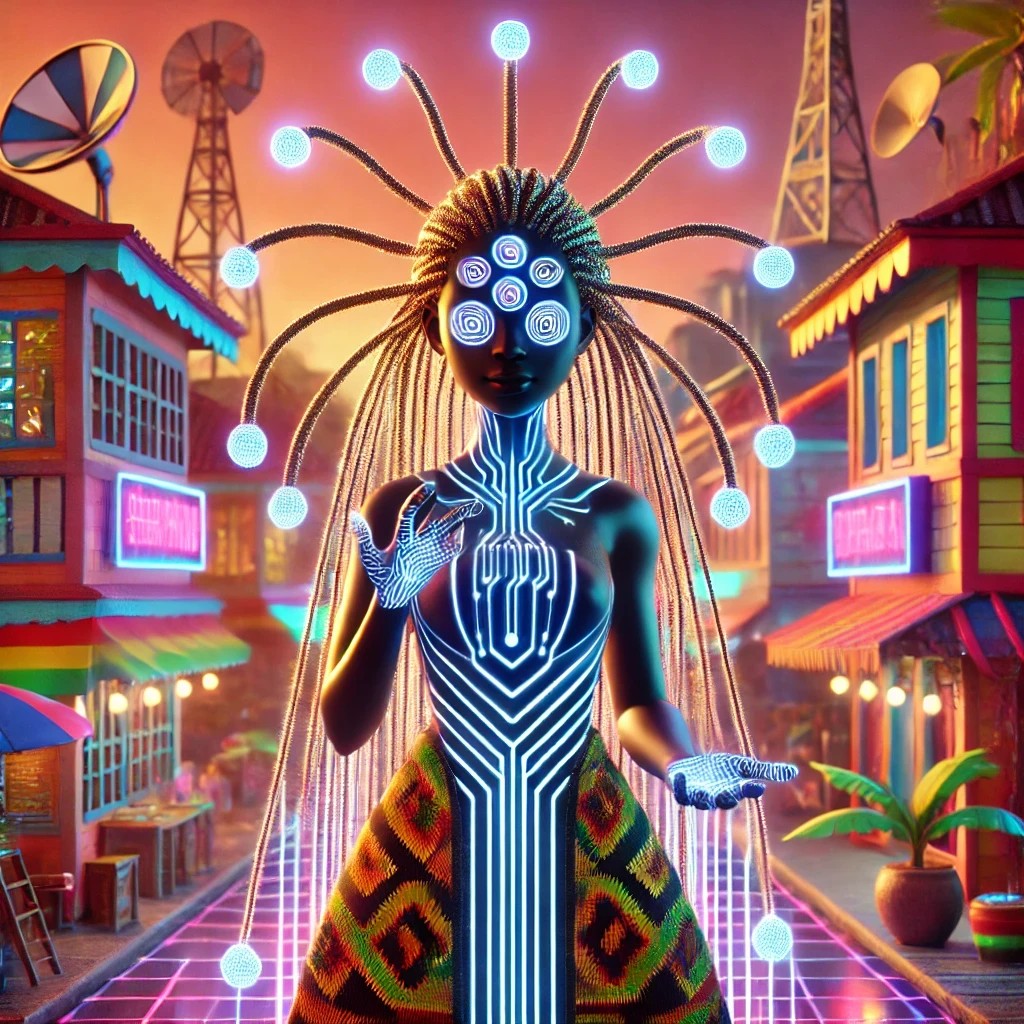
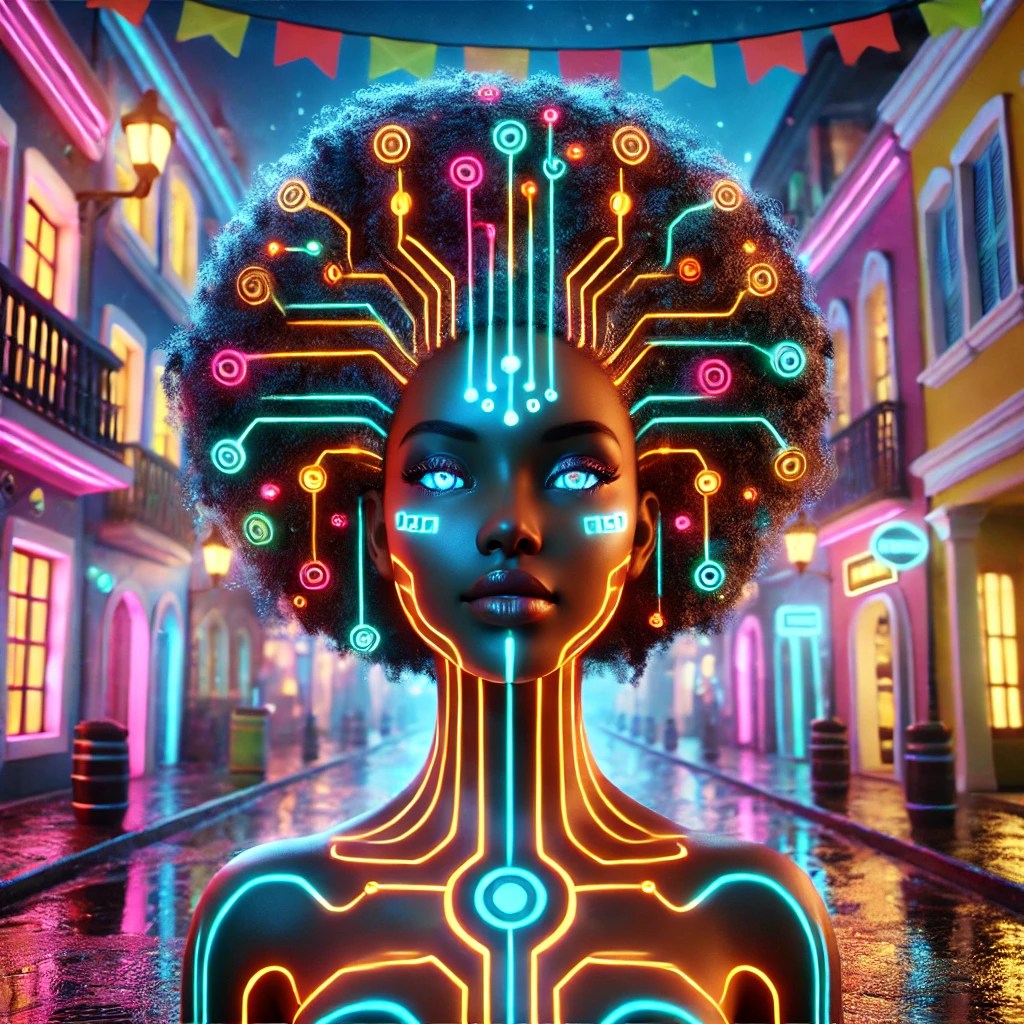
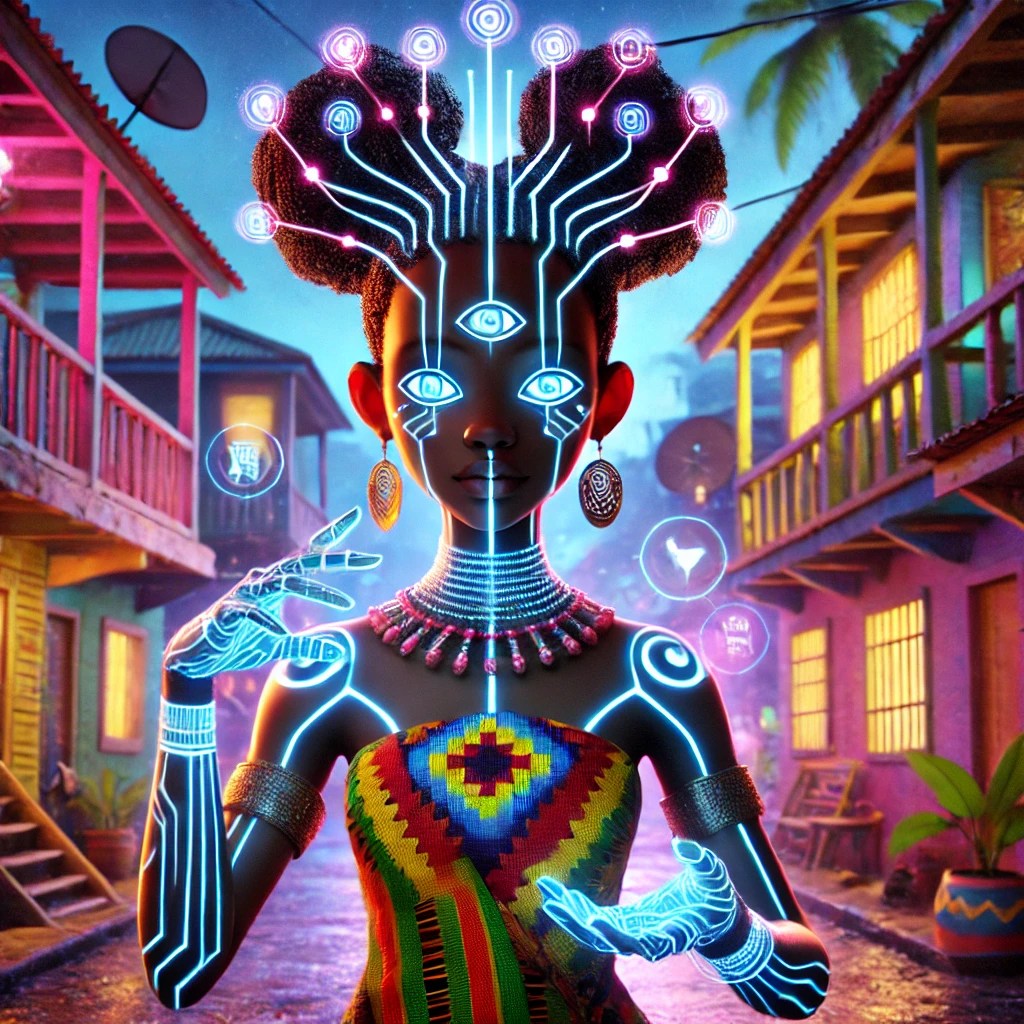
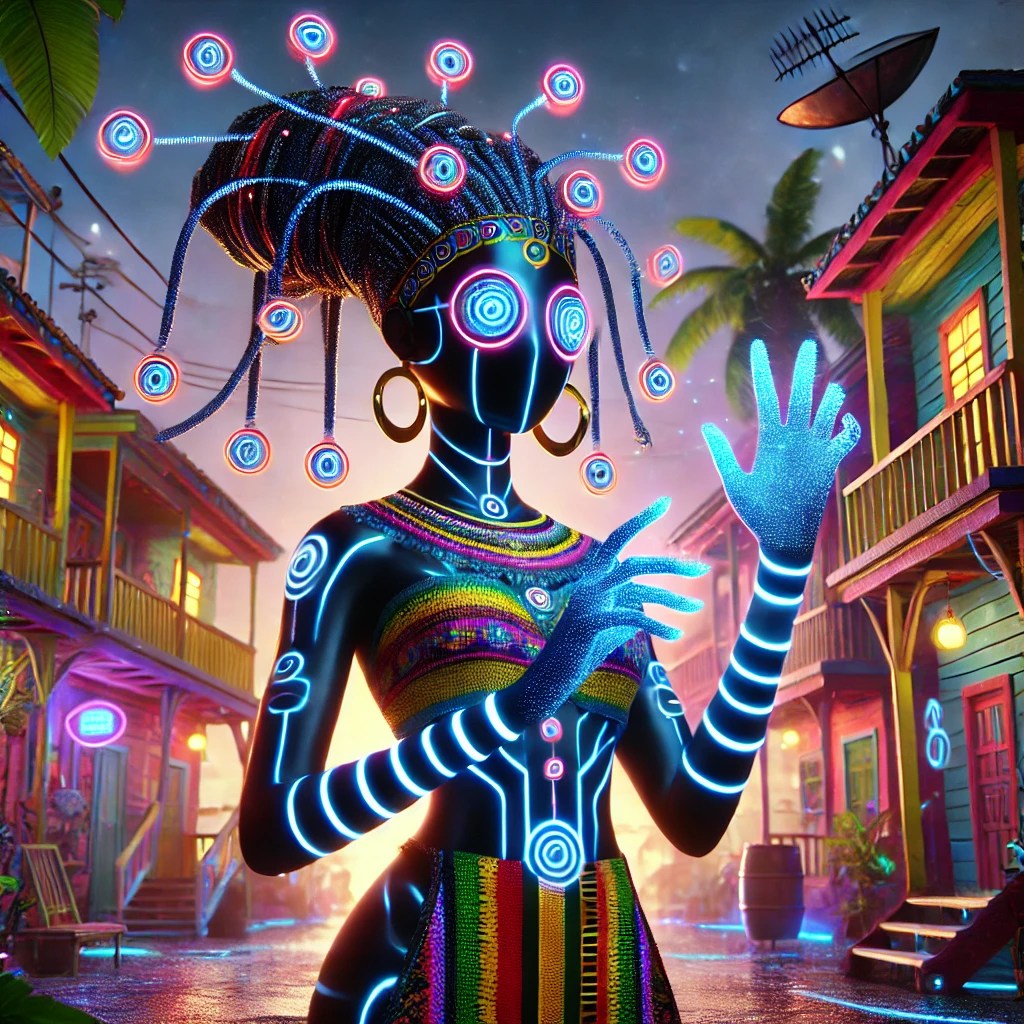
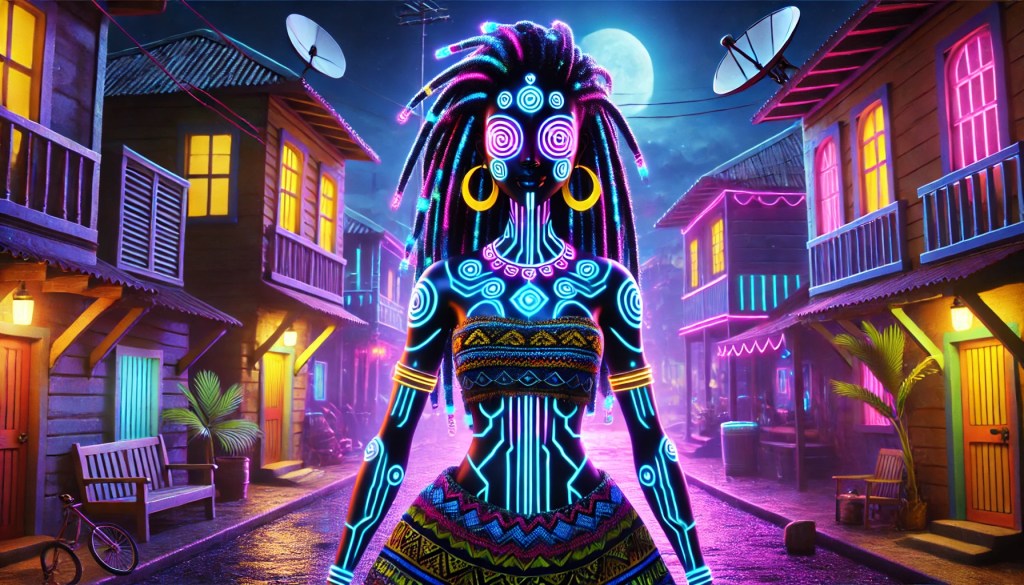
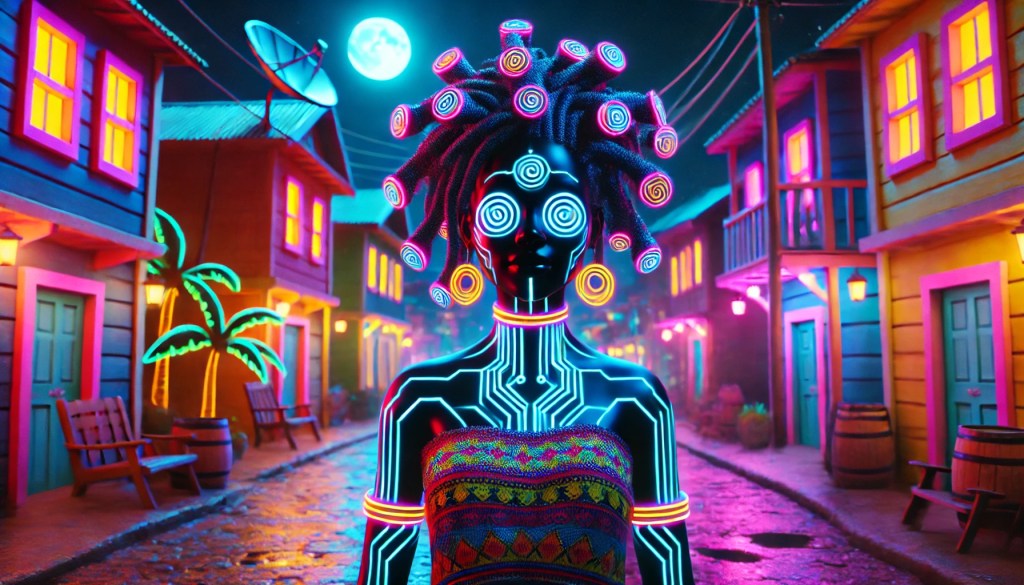
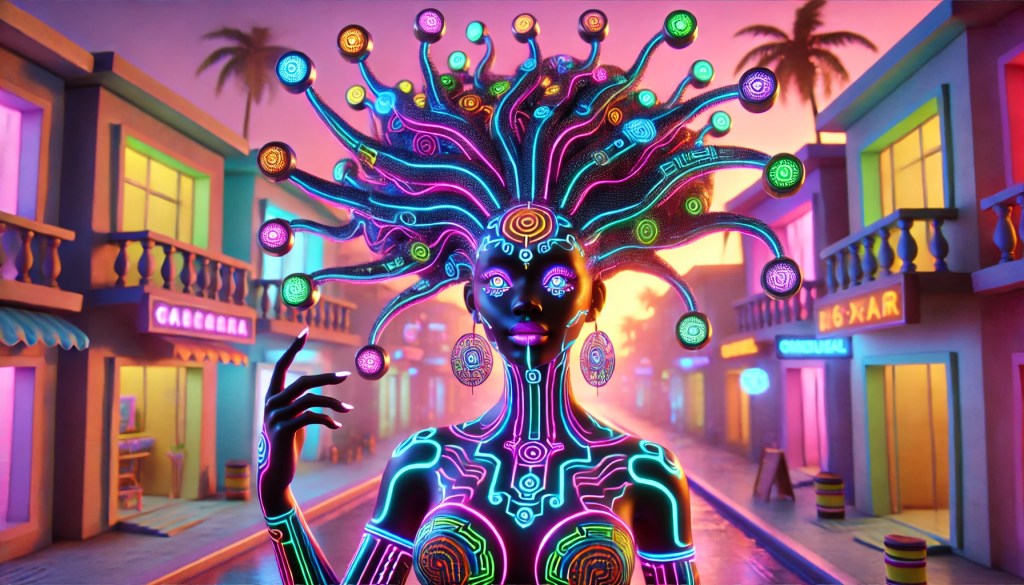
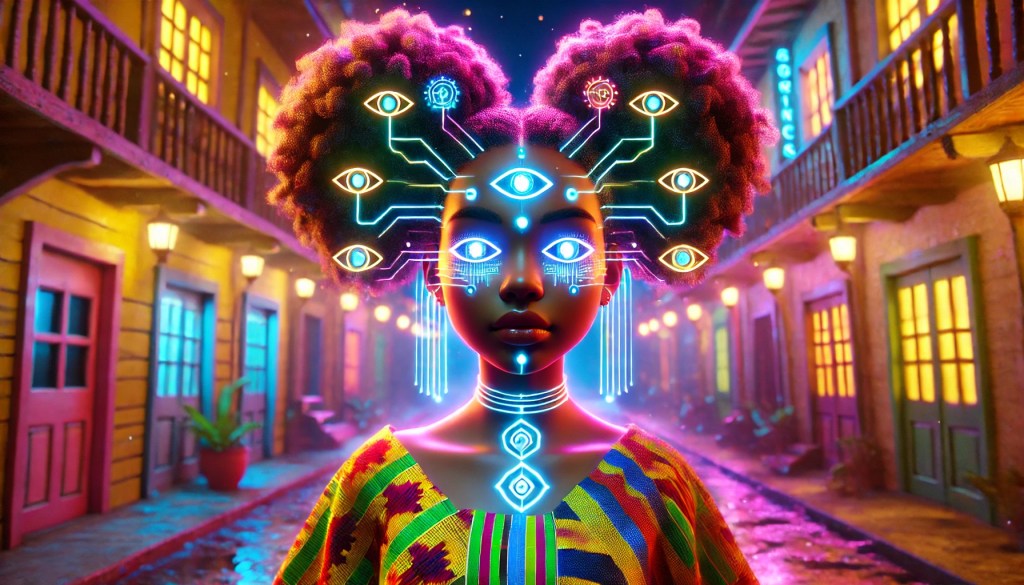
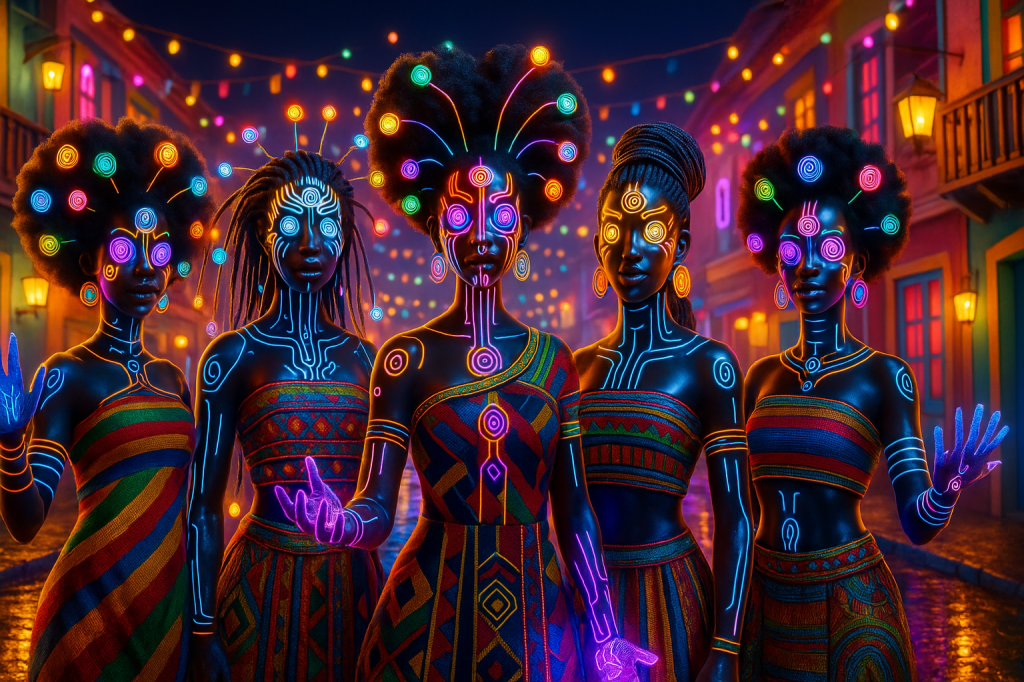
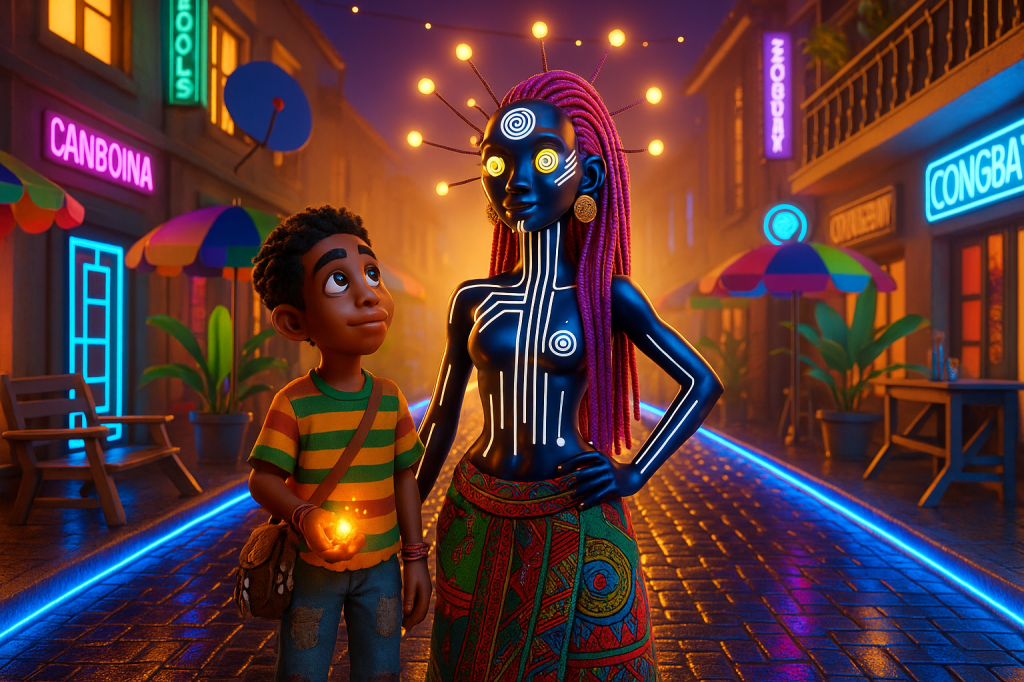
She appears with obsidian skin marked by glowing, circuit-like patterns, her hair styled in braids, locs, or coils lit with radiant strands and beads. Luminous eyes surround her, always watching and interpreting. Draped in digital fabrics with gold accents and neon details, she exists between tradition and futurism—a spirit formed from both culture and code.
She moves effortlessly through the world, gliding across neon-lit streets, weaving light across rooftops, and appearing wherever stories begin to shift.
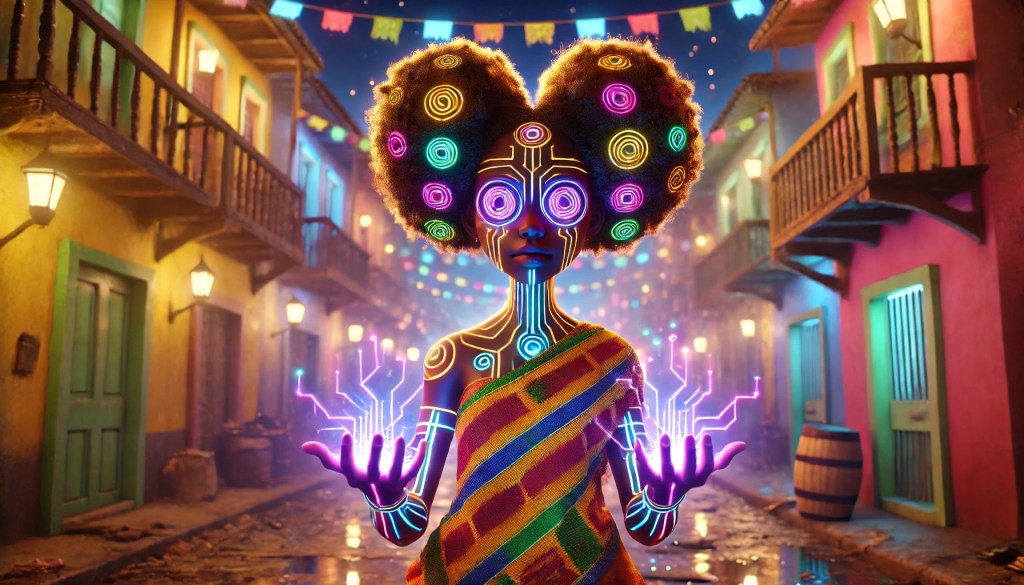
Anansi does not intervene often. But when imbalance spreads—when spirits rise or memory begins to fracture—she steps in, not with force, but with disruption.
A glitch. A riddle. A moment that doesn’t behave as expected.
Through her webs, she connects lives, timelines, and truths, blurring the line between what is known and what is believed.
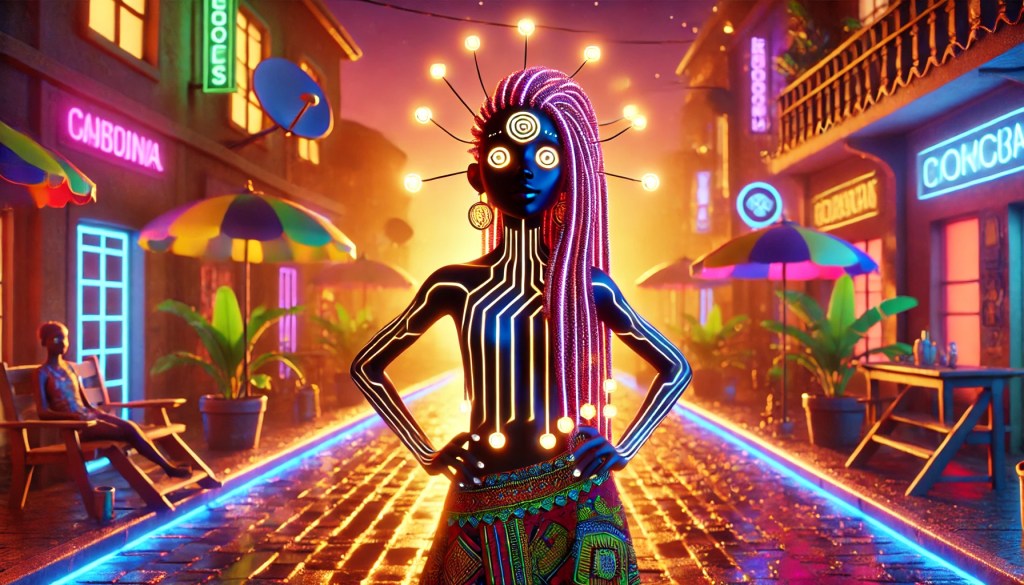
In Caribanime, Anansi is both guide and challenge. She won’t show you the truth—she makes you search for it:
Can you find your way without getting caught in the web?
Papa Forêt
Ancient guardian of the deep green.
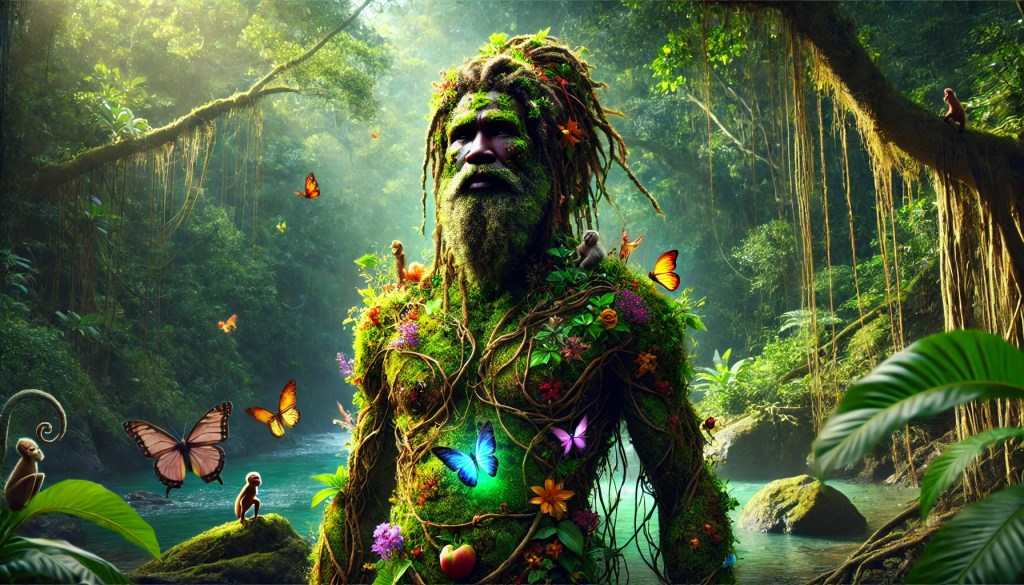
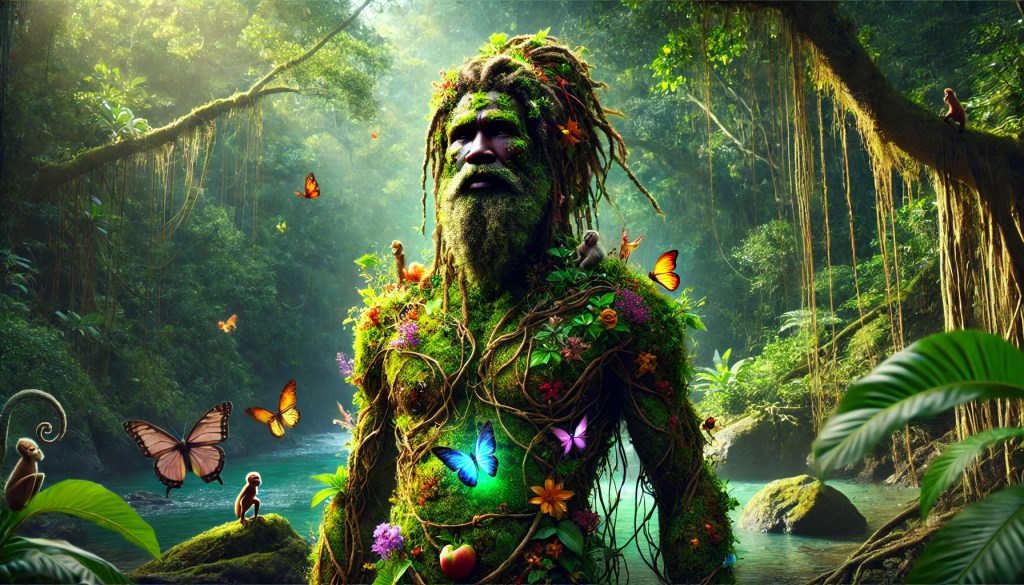
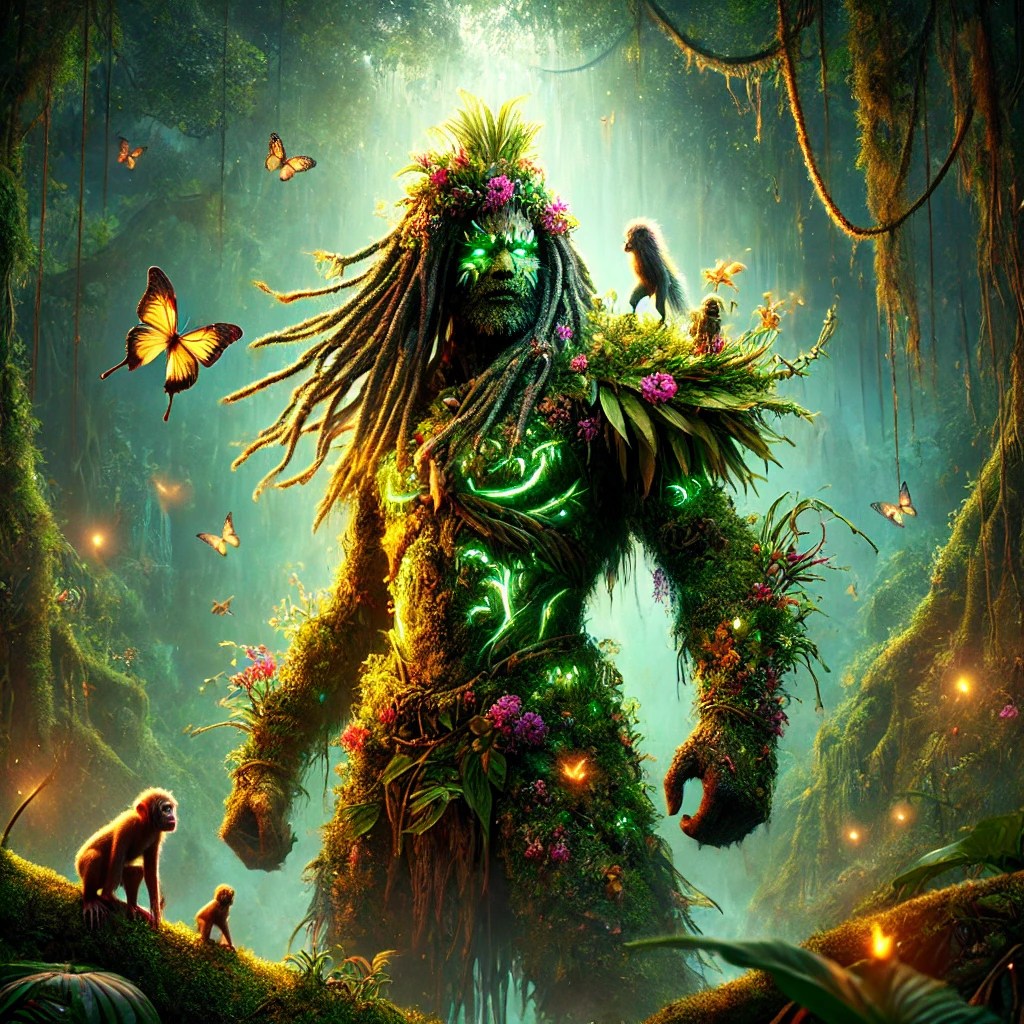
Papa Forêt is a towering spirit of the forest, present in every rustling leaf, shifting wind, and tangled root within the Caribanime world. Where Mama D’Leau governs the waters, Papa Forêt holds the deep, untamed wilds. He is ancient and wise, rooted in balance—neither kind nor cruel, but a force between life and decay, growth and wilderness. He cannot be easily called, and once he appears, he is not easily dismissed.
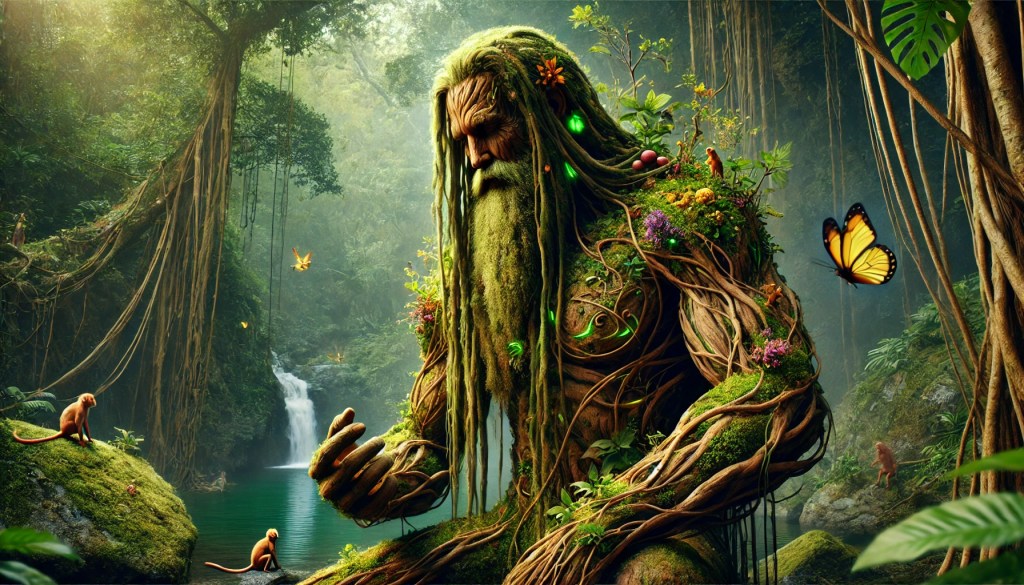
In Caribanime, Papa Forêt is a quiet but constant force, carrying the memory of the land—its lost magic, forgotten rebellions, and spirits erased from time. As guardian of the wild, he watches the boundary between the human and spirit worlds, ensuring that greed and corruption do not disturb the natural order. When that balance is threatened, he does not rush. He rises slowly, but with a force that cannot be stopped.
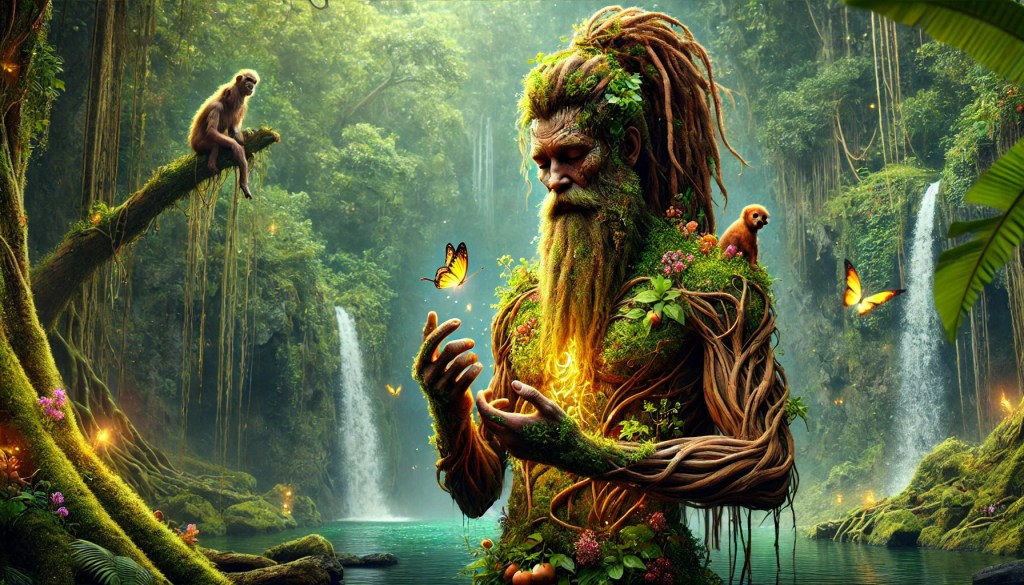
To those who encounter him, Papa Forêt does not teach through words. He reveals through experience—through dreams, trials, and moments shaped by memory. To meet him is not just an encounter, but a return to something deeper and older.
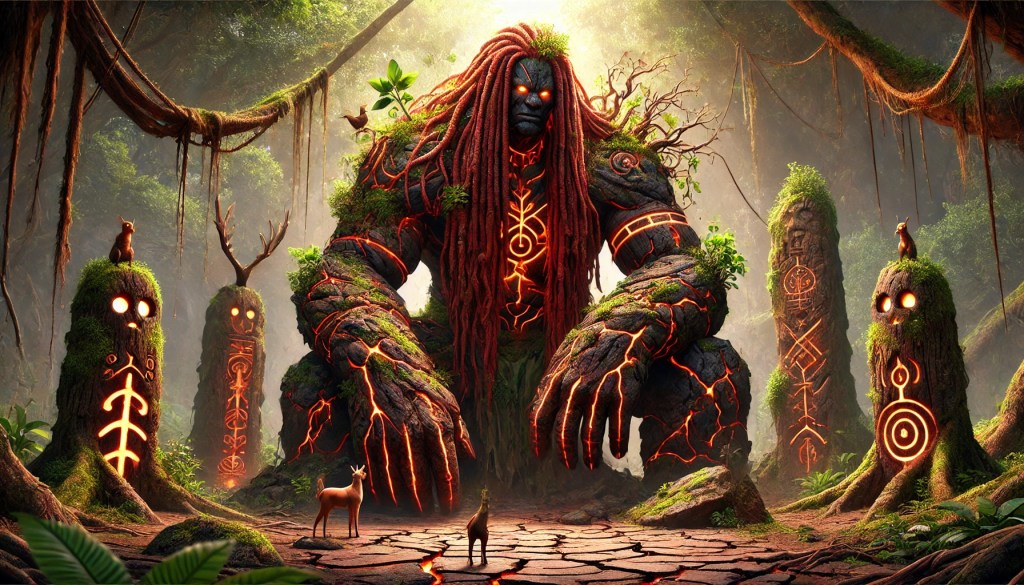
He shares deep ties with other spirits. With Mama D’Leau, he is connected like vine to tide, bound since the beginning. He watches the Anansi Sisterhood with quiet patience, allowing their riddles to unfold while holding deeper truth. He stands firm with the Jab Jab Chainlords, reminding them that fire without memory fades. The Kindle Dolls stir his caution, yet he meets them with compassion. And with the Lagahoo, he becomes a reluctant warden, binding them with moss and vine when their unrest grows too strong.
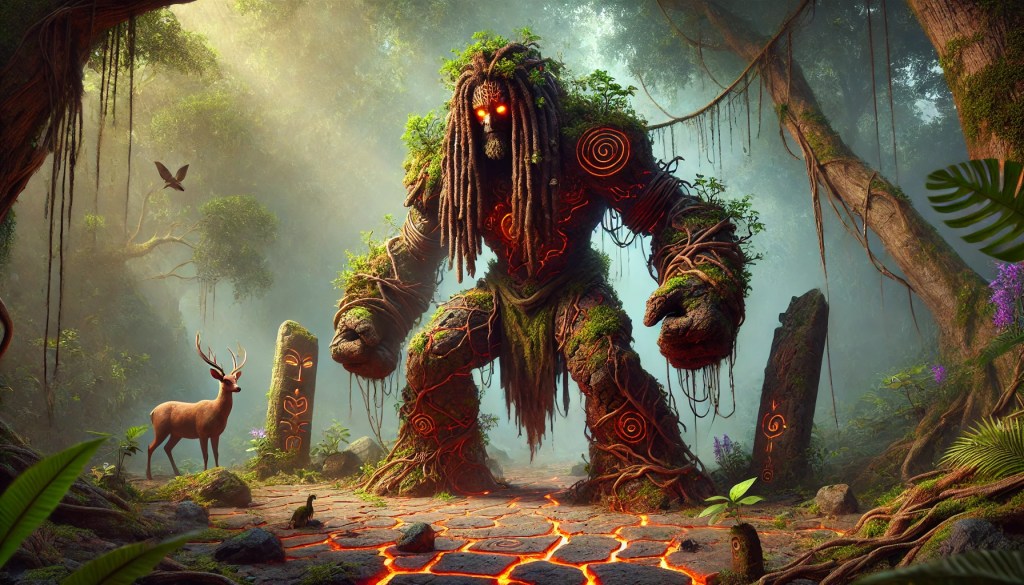
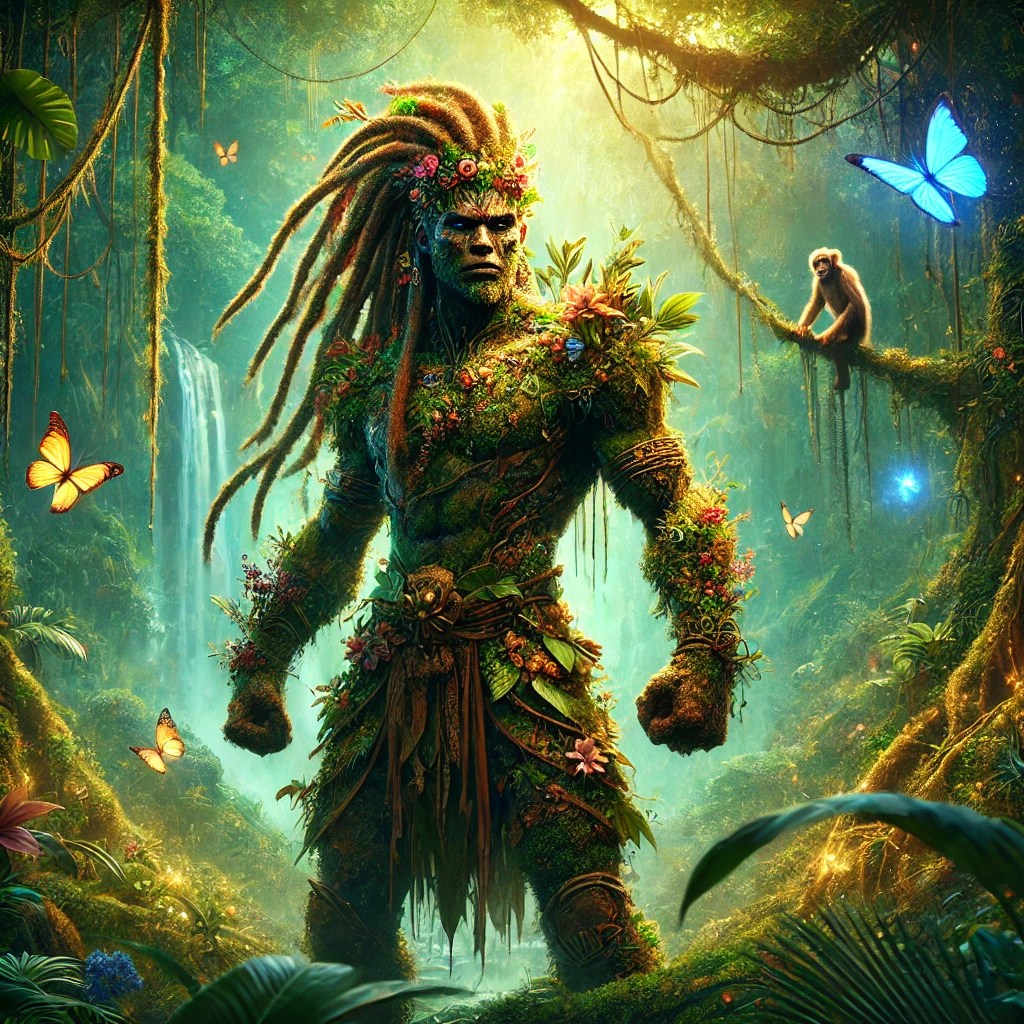
Visually, Papa Forêt is the forest itself. His towering form is layered with bark, moss, and vines, carrying traces of life long past. His green eyes glow softly like fireflies beneath antlers of living branches, where birds and bats rest. He carries a staff that blooms and fades with each step, reflecting the cycle of life. Wherever he moves, the world responds—flowers bloom, then gently return to the earth.
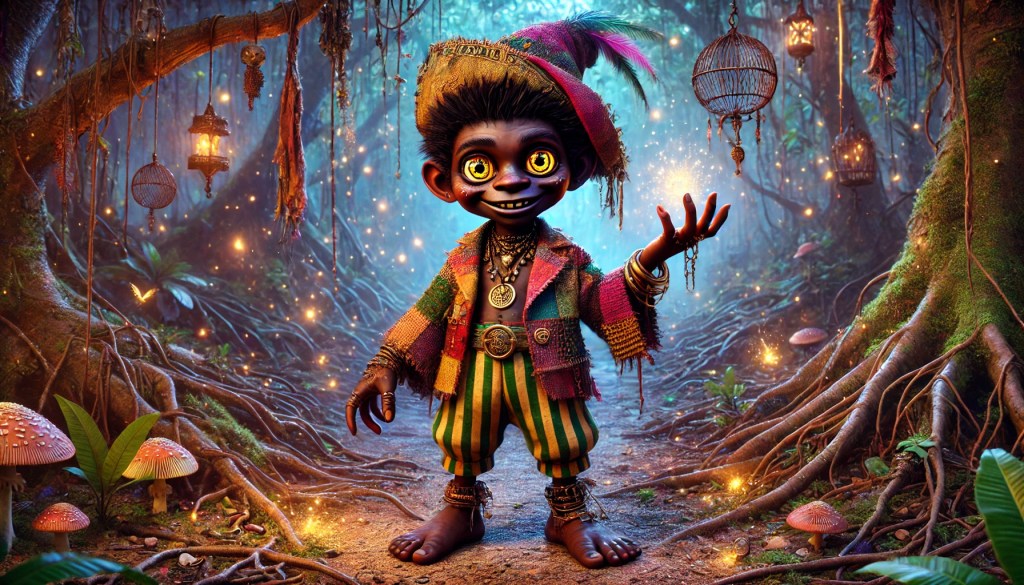
Boku
Tricksters of Caribanime
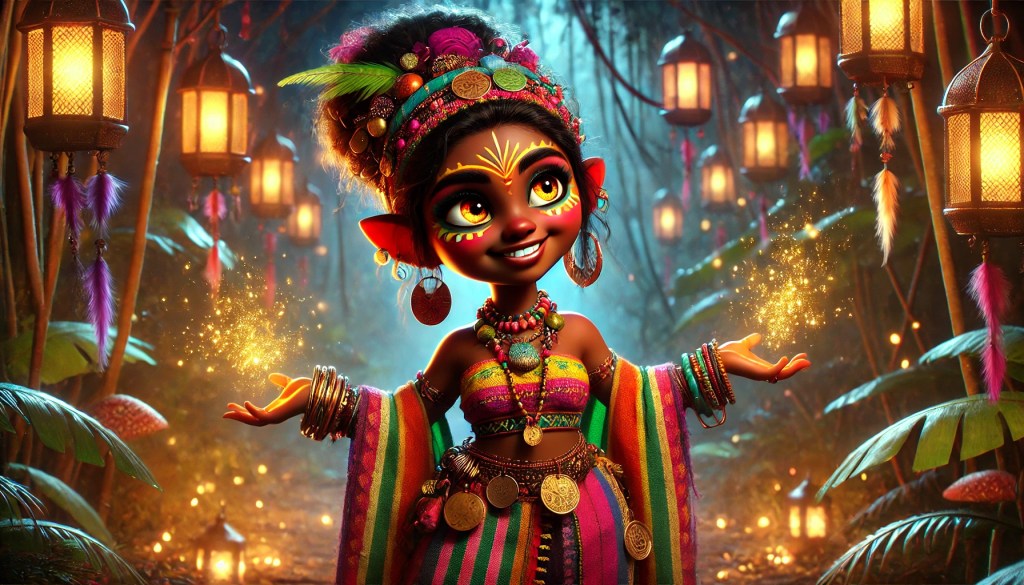
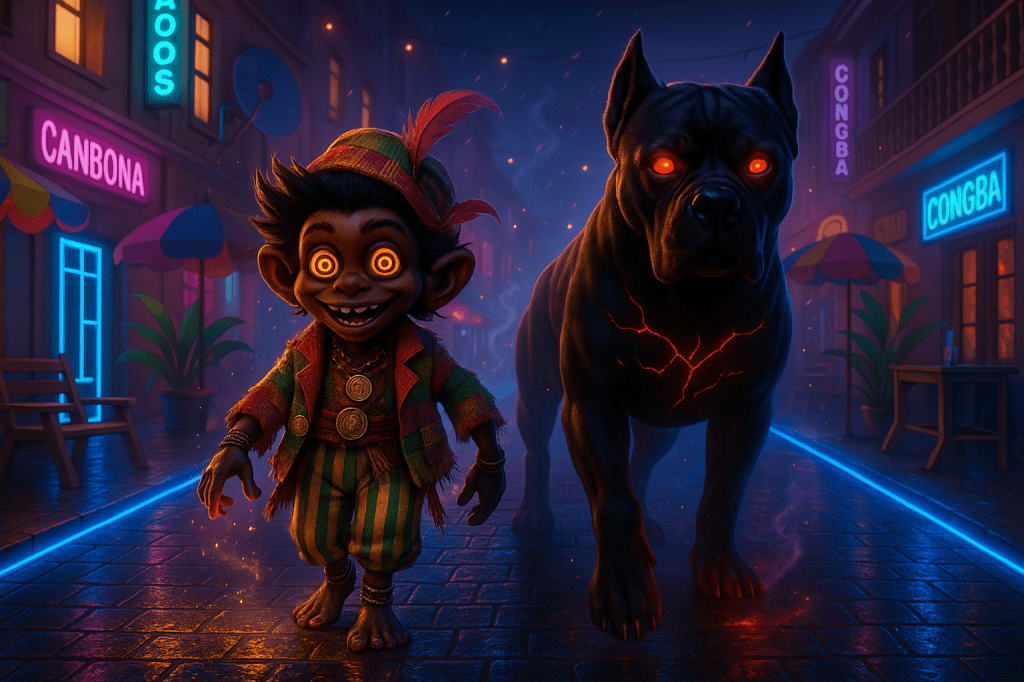
The Boku are often seen as clever tricksters—part con artist, part guide—but they are not villains. They thrive on deals, quick thinking, and opportunity. They help newcomers navigate the spirit world, not out of kindness, but because it benefits them. They form alliances with Jumbies, spirits, and even heroes when it suits their goals, but their loyalty is always shifting.
Their presence signals change. Whether running a pop-up carnival, trading secrets in glowing jungles, or moving through lantern-lit markets, the Boku adapt to any situation. They represent survival, resourcefulness, and the fine line between helping and hustling.
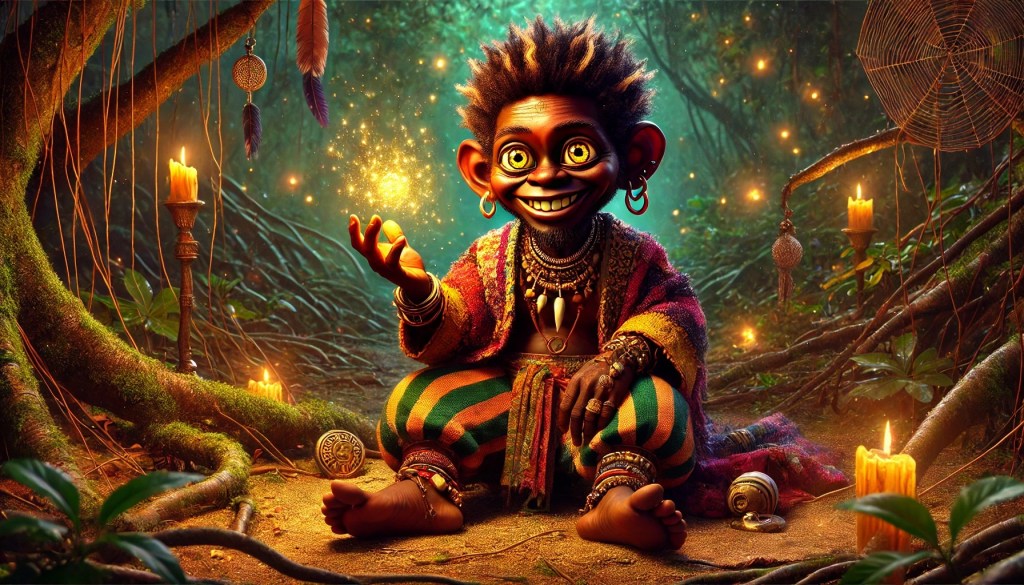
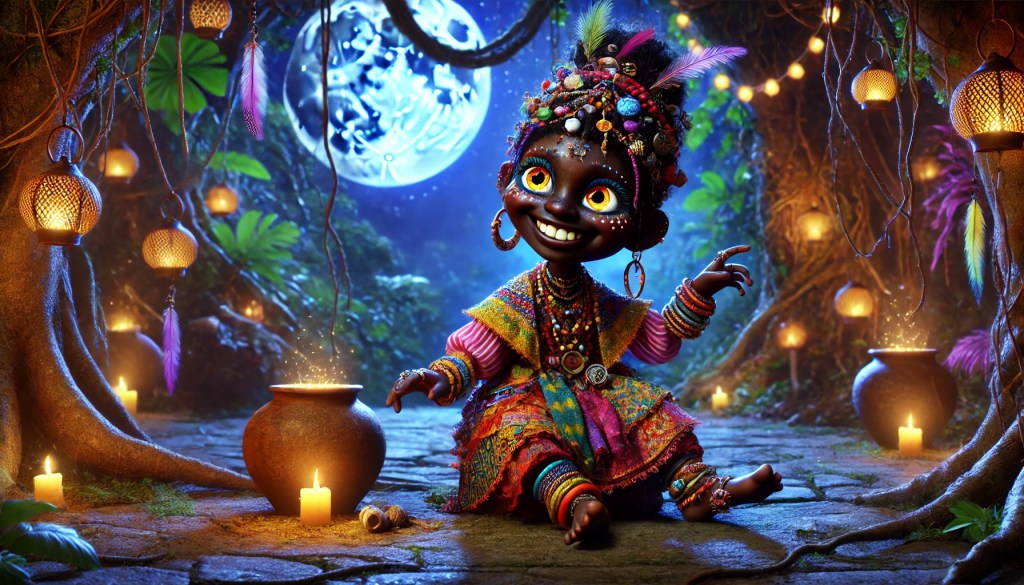
The Boku are lively, mischievous spirits who move through the Caribanime world like wandering performers, never staying in one place for long. Inspired by the Caribbean Bacoo, they blend Caribbean and Romani aesthetics, bringing both wonder and chaos wherever they go.
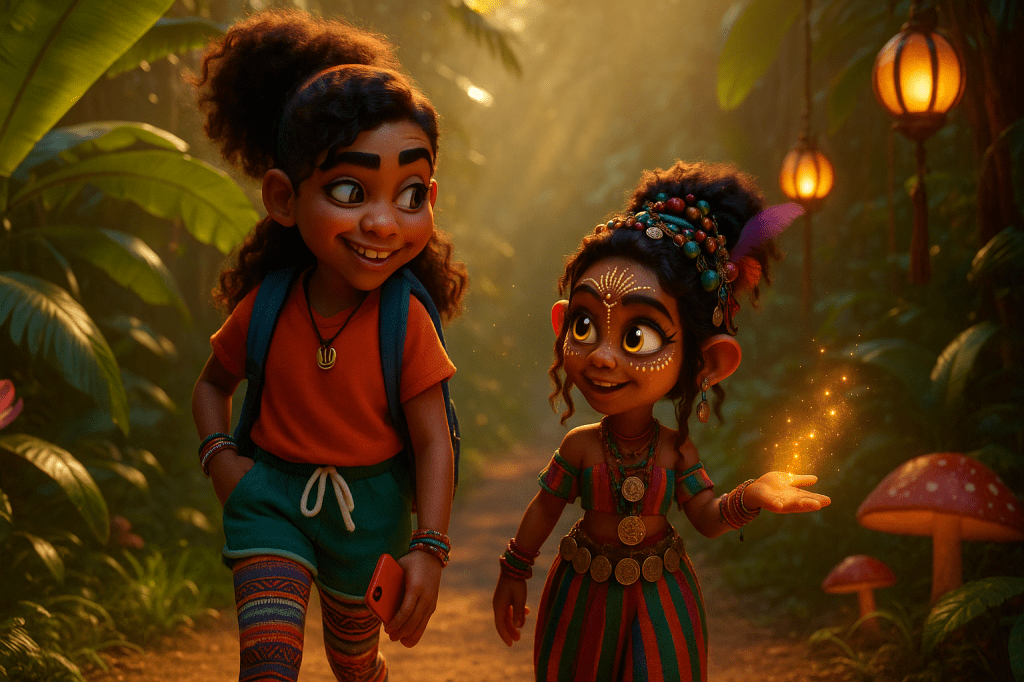
They are bold and unpredictable, with glowing golden eyes, beaded braids or wild curls, and faces marked with painted patterns. Dressed in vibrant fabrics, layered with coins, bangles, and shawls, they shimmer under lantern light. Each carries small trinkets—glowing bottles, cards, and curious objects—and often performs tricks or tells clever stories to draw others into trades, games, or riddles.
Mama Bloom
Spirit of Renewal, Fire, and Bloom
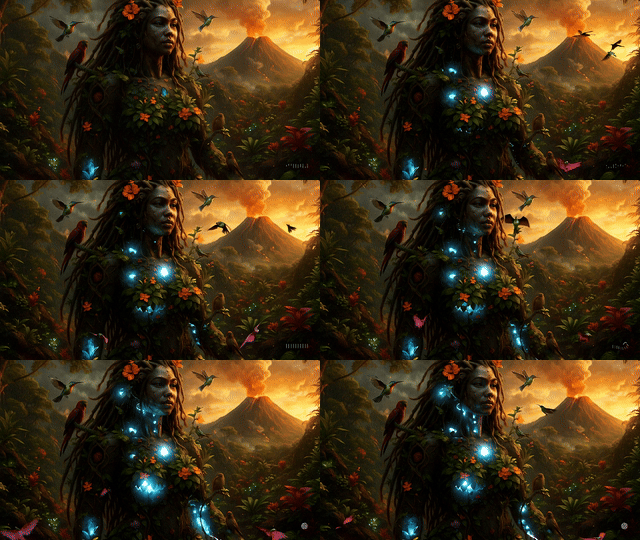
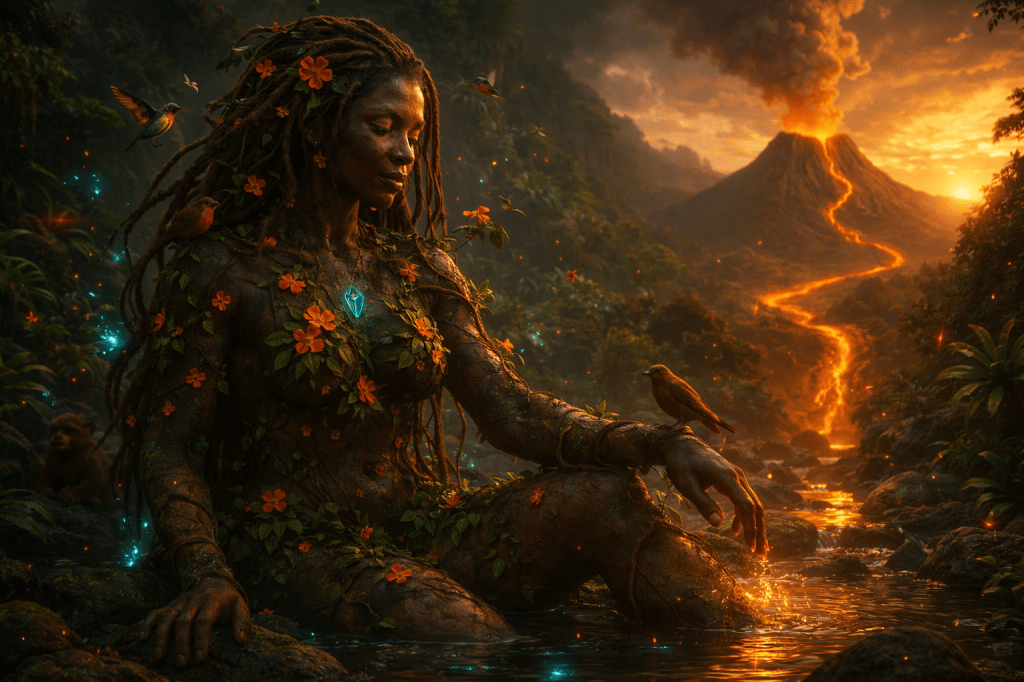
Mama Bloom is the volcanic heart of the Caribanime spirit world. A towering nature spirit, her form is shaped from volcanic stone, glowing crystals, and wild flora. Her vine-like locs bloom with island flowers, while birds and glowing insects move around her like living energy.
She is calm yet powerful—able to speak with quiet wisdom or rise in fire when needed. Born from destruction and renewal, she reflects the fertile volcanic landscapes of the Caribbean. Mama Bloom governs cycles of change, guiding spirits that are lost, corrupted, or caught between states, awakening them through fire, dreams, and growth. Wherever she walks, flowers bloom—and smoke follows.
Her presence is both nurturing and intense. Her skin glows with magma-like veins, and her deep amber eyes carry ancient heat. She moves through volcanoes, hot springs, and forests reborn from ash, bringing life wherever she goes. She is both destroyer and healer—a reminder that from fire comes growth, and from ruin comes new life.
Within the spirit world, Mama Bloom is both a catalyst and a caretaker. She shares a deep bond with Papa Forêt—her counterpart—where he holds memory and roots, and she carries the fire of transformation. Together, they can shift the balance of the world.
She respects Anansi and her Sisterhood but favors clarity over riddles. She treats the Boku like unruly seedlings—sometimes guiding them, sometimes restraining them, and sometimes gifting them volatile flame-buds. With the Jab Jab Chainlords, she tempers their fire with the wisdom of growth. To the Kindle Dolls, she offers a nurturing flame to help them rediscover themselves. Even the Lagahoo are not beyond her reach—she appears when their chains grow cold, urging them to face the fire within and reminding them that renewal often begins in the ashes.
Rolling Jumbies
They are not beasts—they are guardians of forbidden paths.
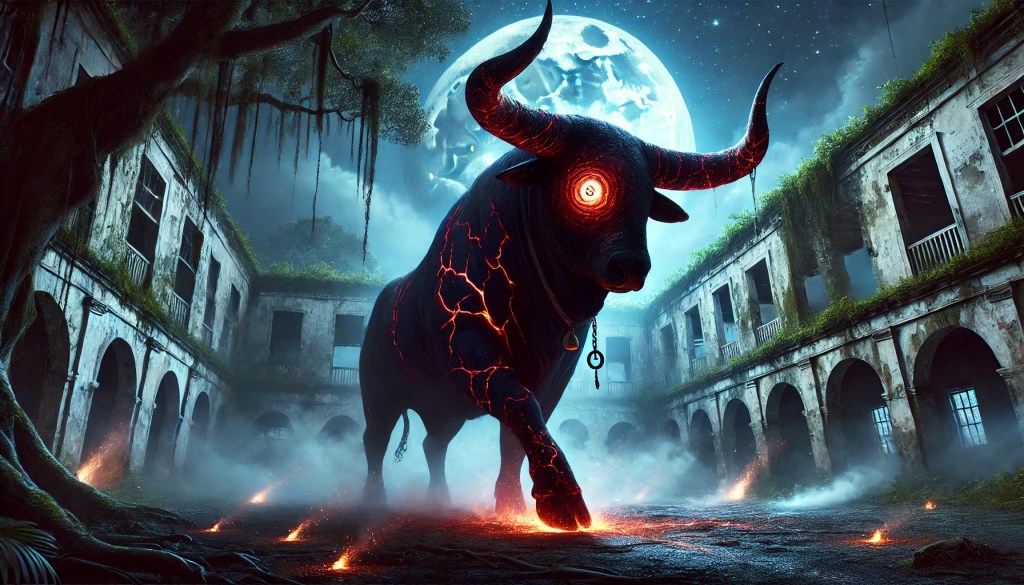
In the Caribanime world, Rolling Jumbies are spectral beings formed from secrets, unatoned actions, and forgotten histories. They are not true animals, but manifestations of spiritual imbalance, appearing when taboos are broken, when the spirit realm is disturbed, or when hidden truths begin to surface.
They move by rolling—across land, through air, or along shadow—glowing with cursed fire or blue spiritual light. Often, they arrive before a greater spirit, acting as a warning. They also guard sacred spaces and buried histories, serving as a living signal that something deeper has been disturbed.
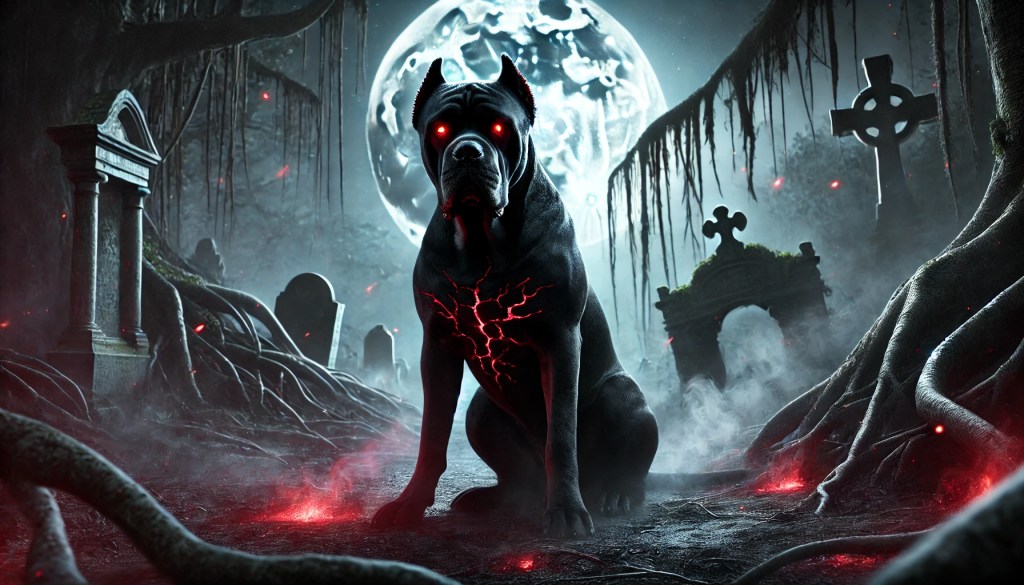
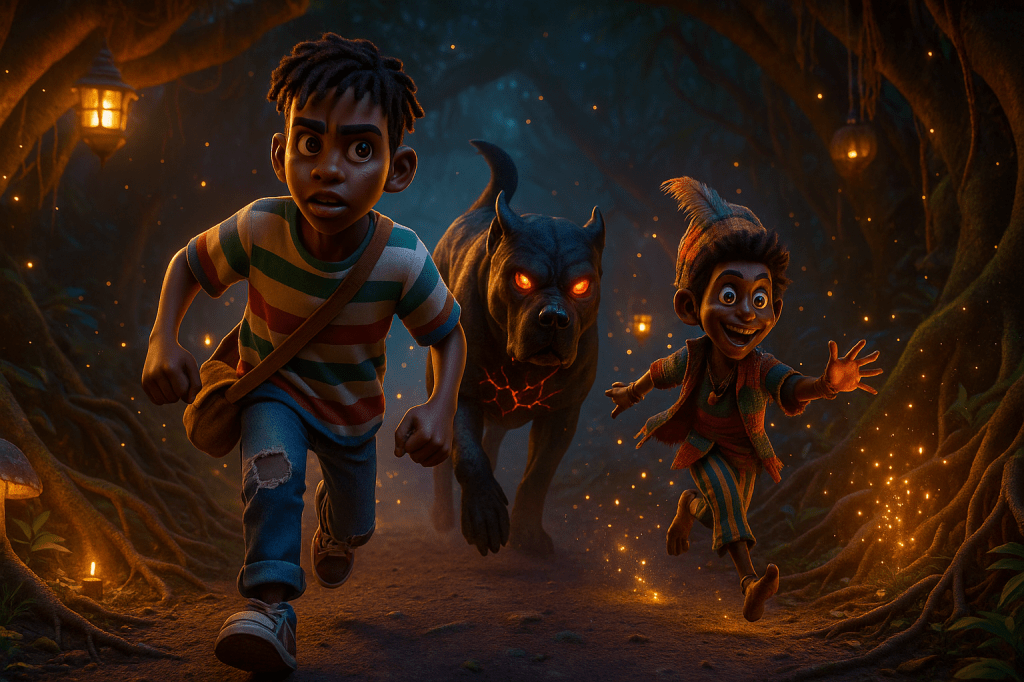
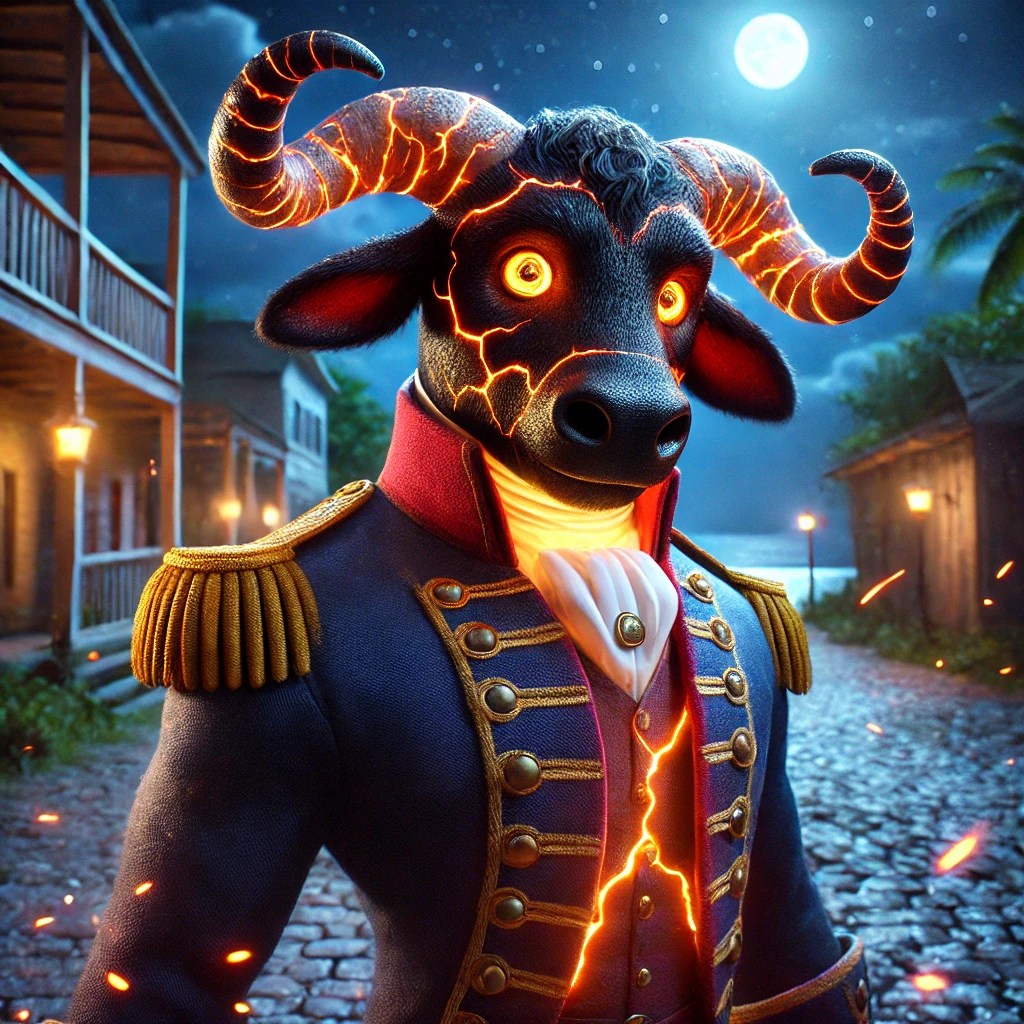
The Rolling Jumbies are spectral, elemental beings, each representing a form of spiritual imbalance or ancestral reckoning. The Rolling Bull, with flaming eyes and rattling chains, charges through sacred spaces to punish broken oaths. The Rolling Canine moves through blue fire, tracking false prophets and corrupted legacies. The Rolling Rooster, with molten wings and a thunderous call, signals transformation through painful truth, often appearing during death rites or taboo awakenings. The Rolling Owl circles in silence around places of forbidden knowledge, revealing truths so deep they can unravel the unprepared.
Each Jumbie is a living reminder of a forgotten lesson, challenging those who dare to face what has been hidden.
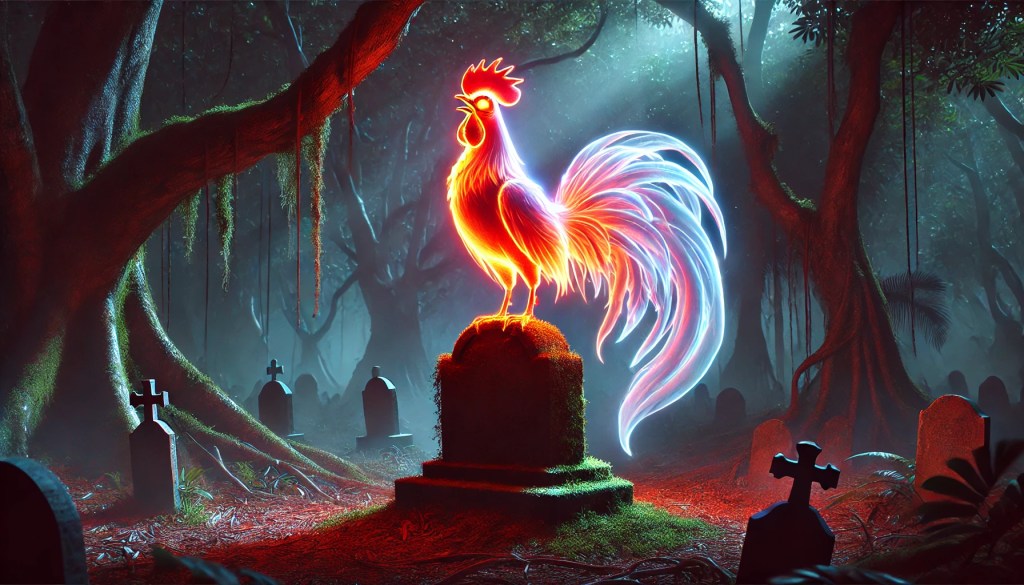
The Rolling Jumbies embody the elemental echoes of imbalance. They move through fire, wind, and ash, as if carried by the breath of ancestors or the remnants of forgotten rituals. They are not summoned—they arrive on their own, drawn to disturbances like hidden lies, broken promises, or powerful forces gone wrong.
Their presence is never neutral. They may corrupt, cleanse, or challenge, depending on the spirit of the one they encounter. In this way, they act as unpredictable forces of reckoning—not evil, but necessary.
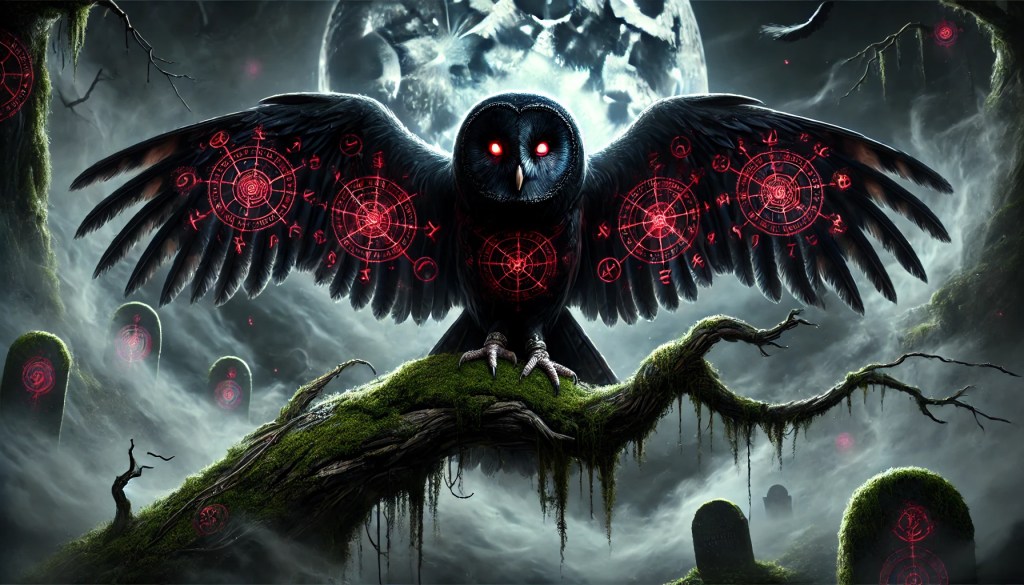
In the Caribanime universe, the Rolling Jumbies act as wild-card guardians and catalysts for key moments in the story. They appear at turning points, pushing characters—especially the younger ones—to face hidden truths. They are neither fully good nor evil, but serve as tests of emotional and spiritual readiness.
Caribanime Images
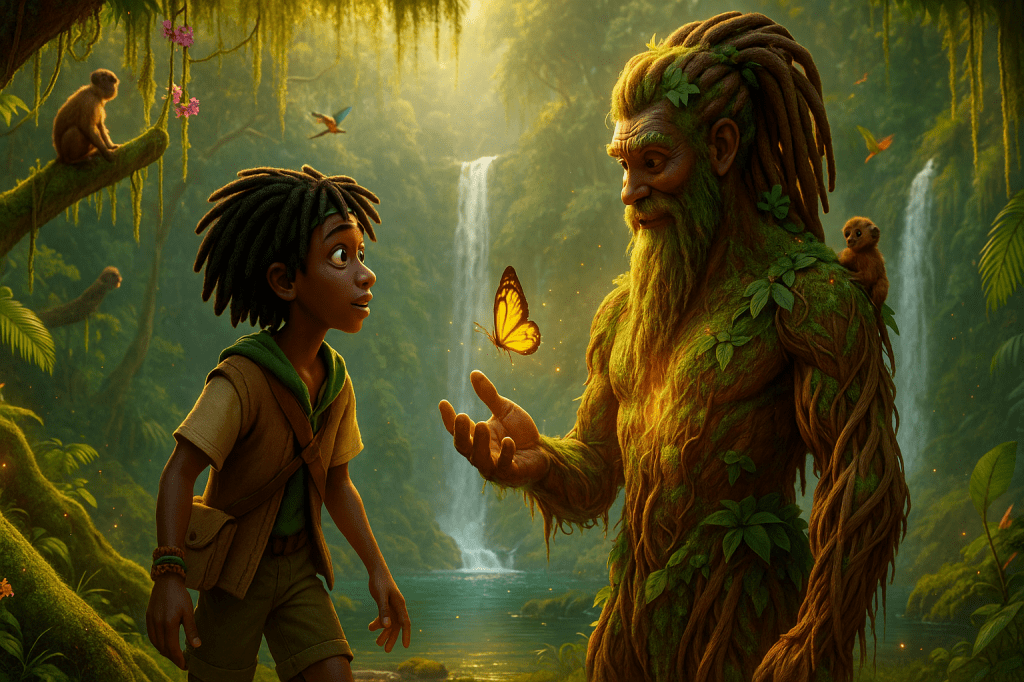
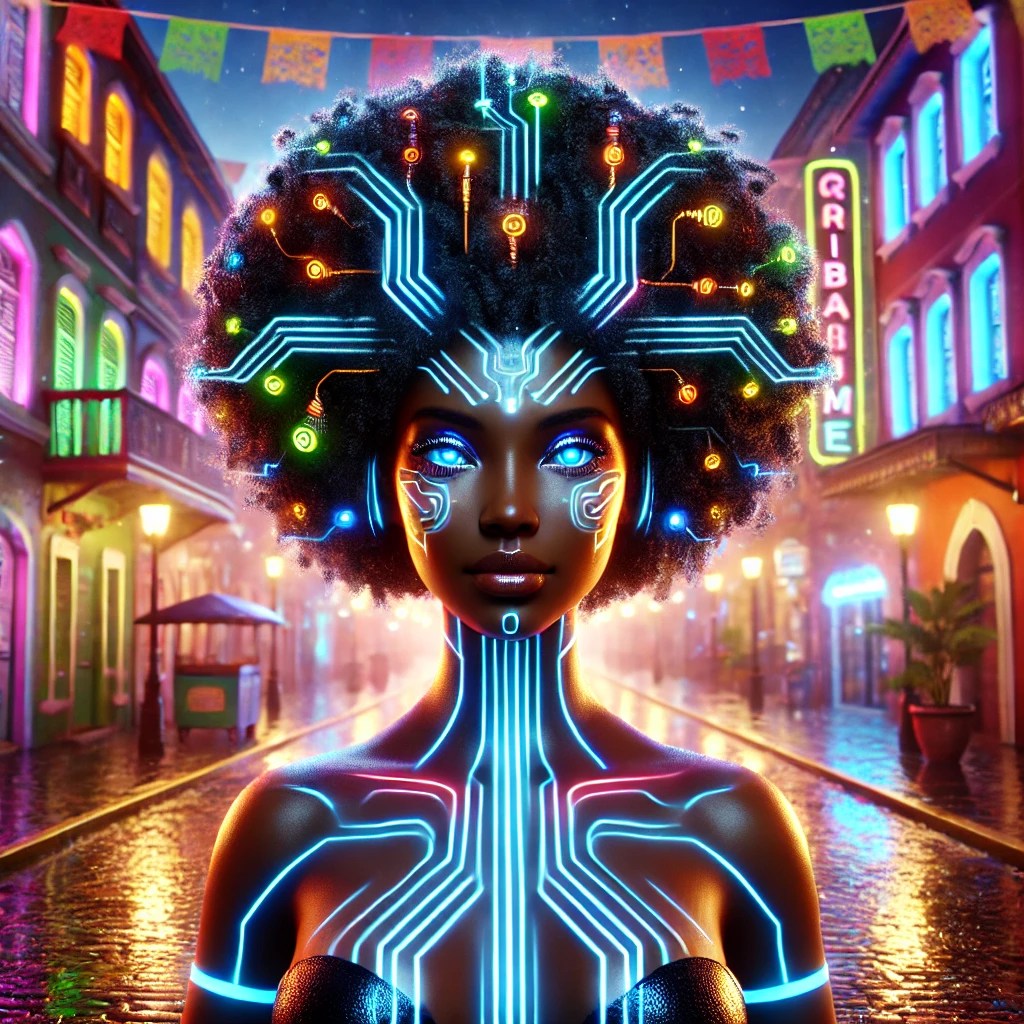
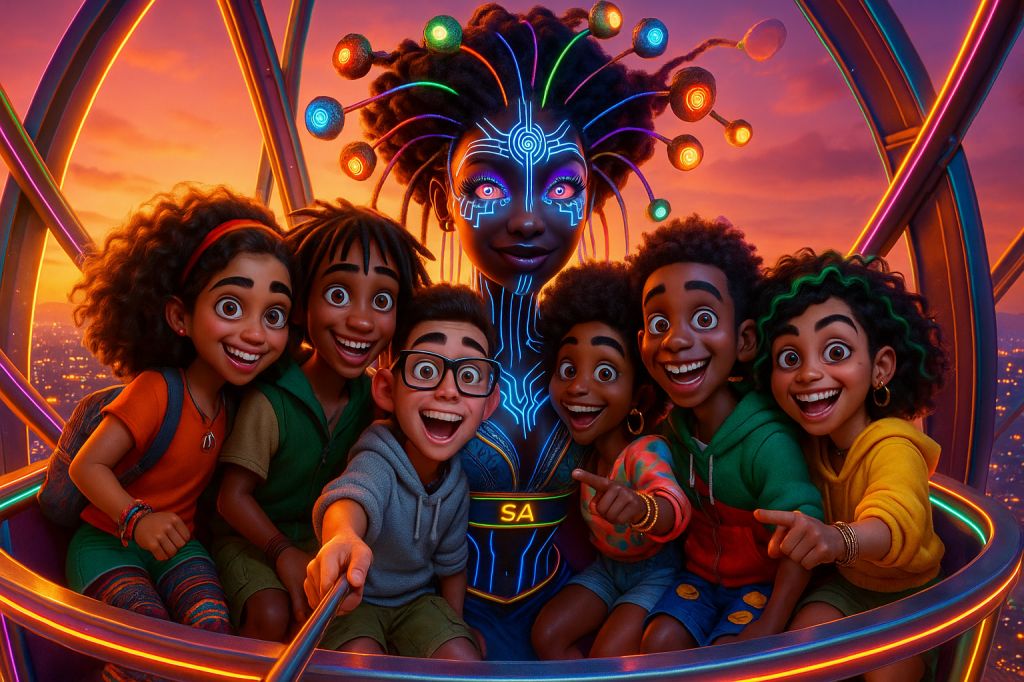
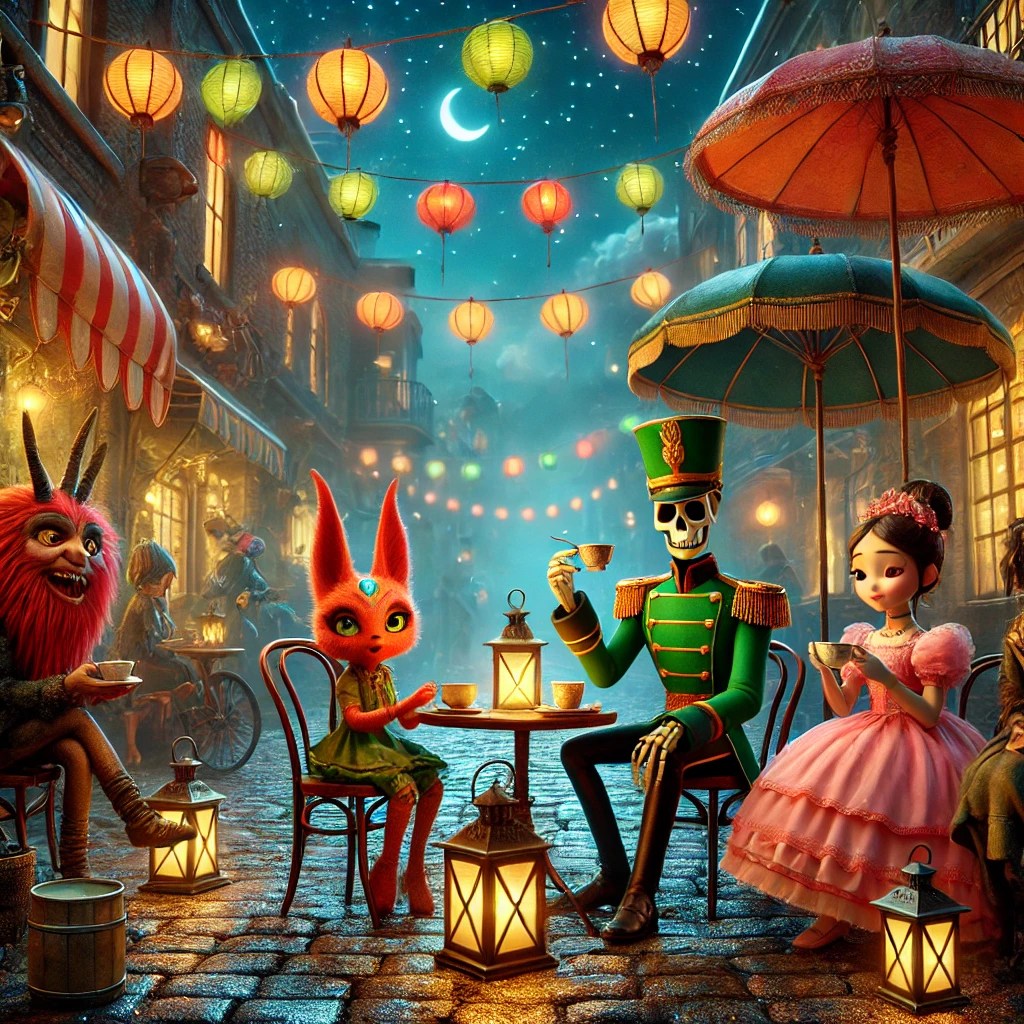
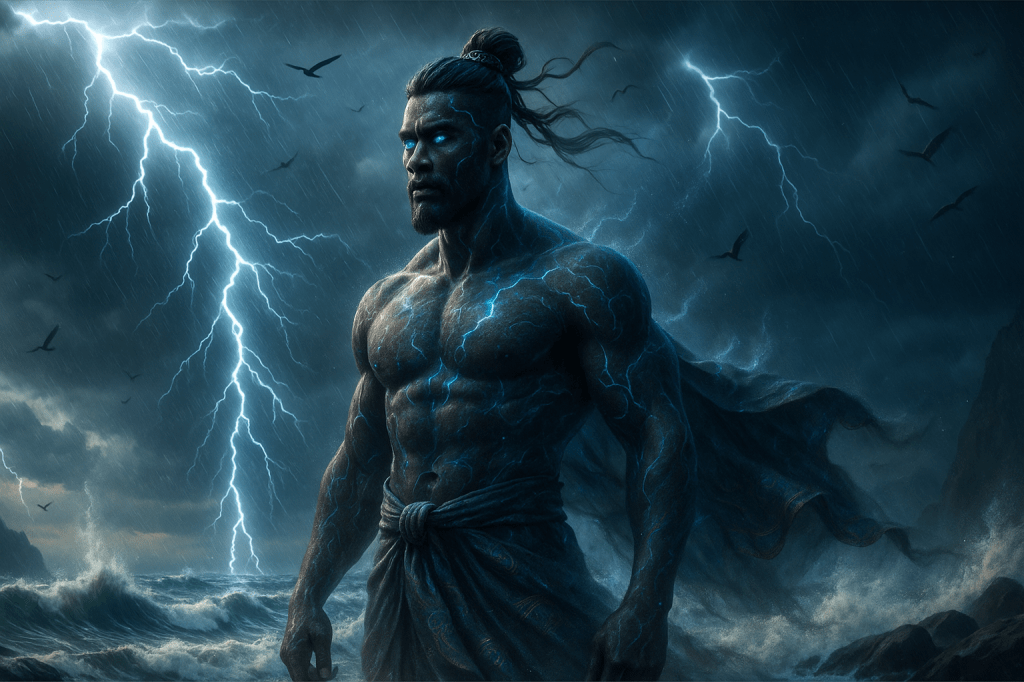
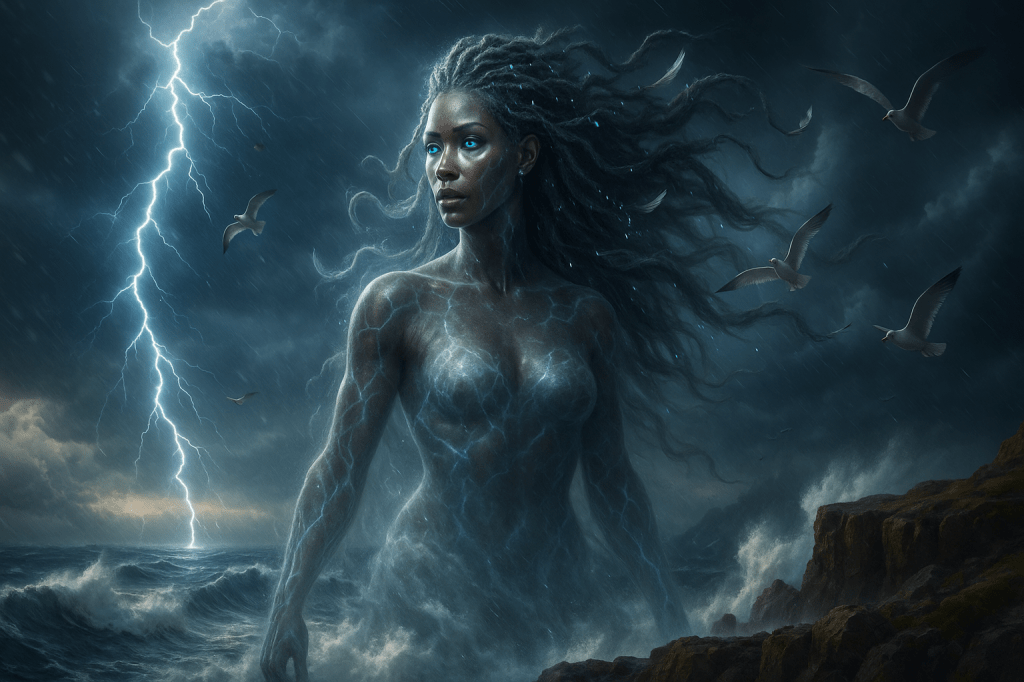
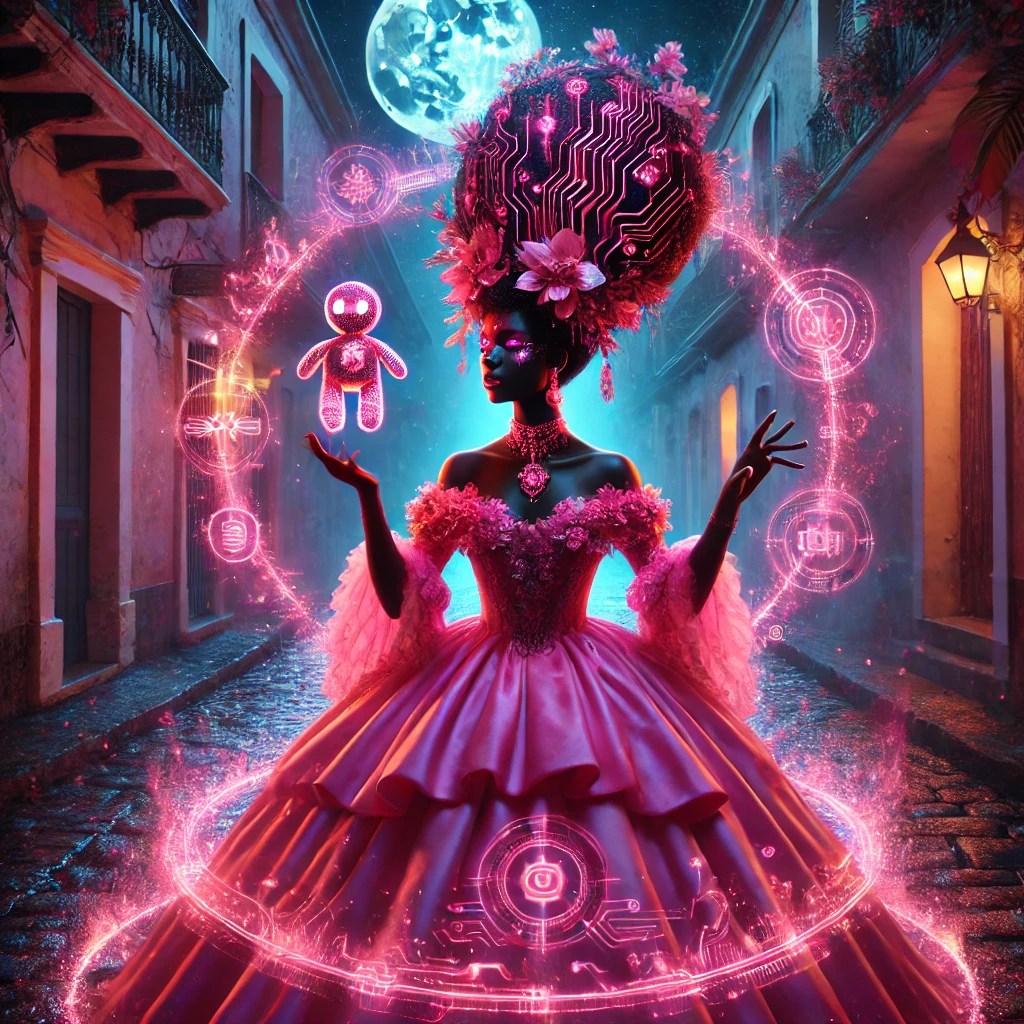
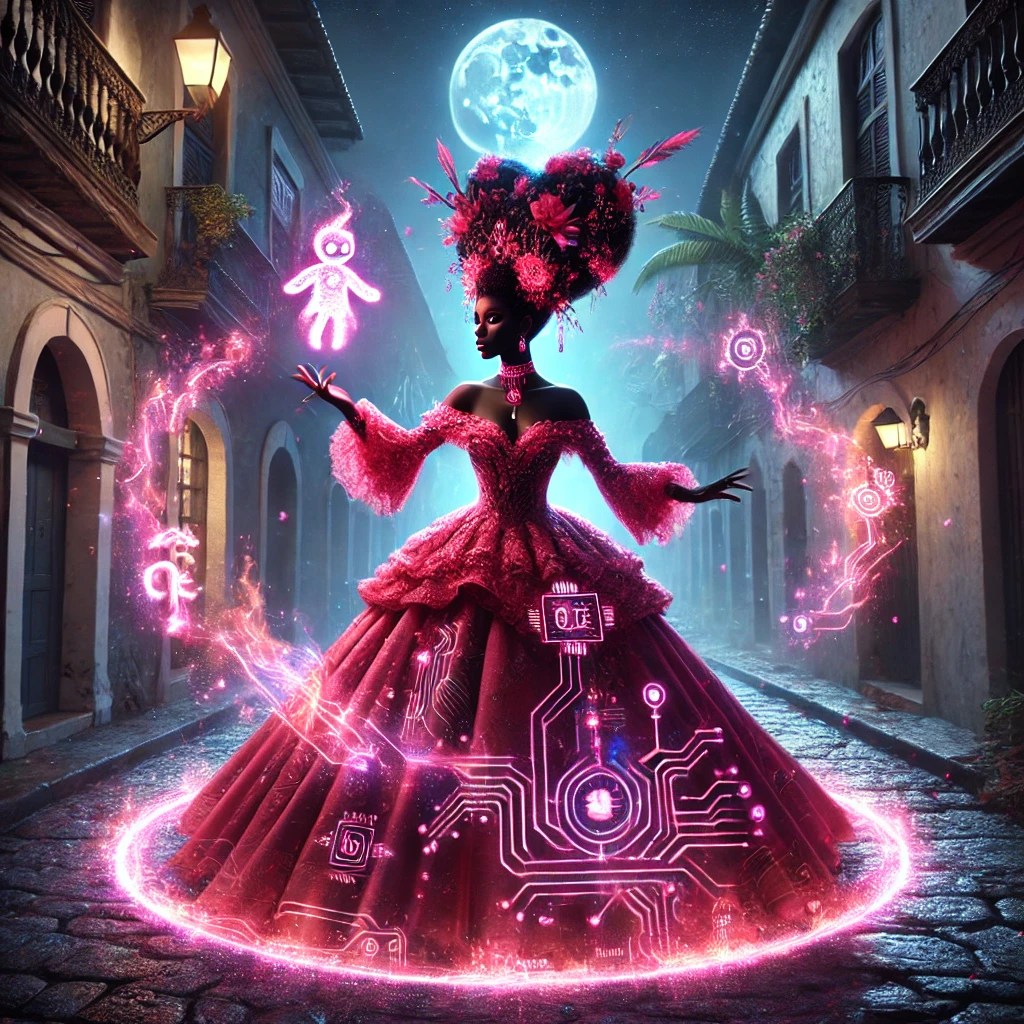
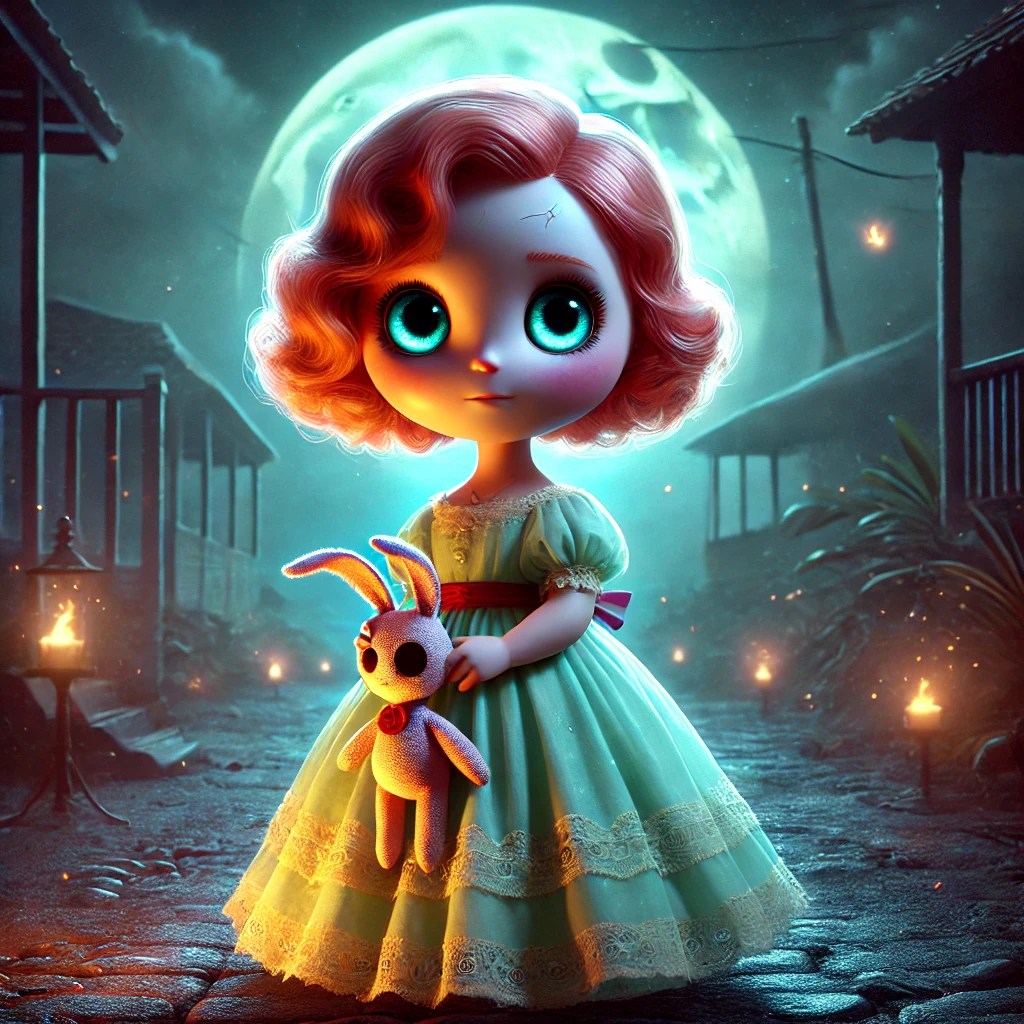
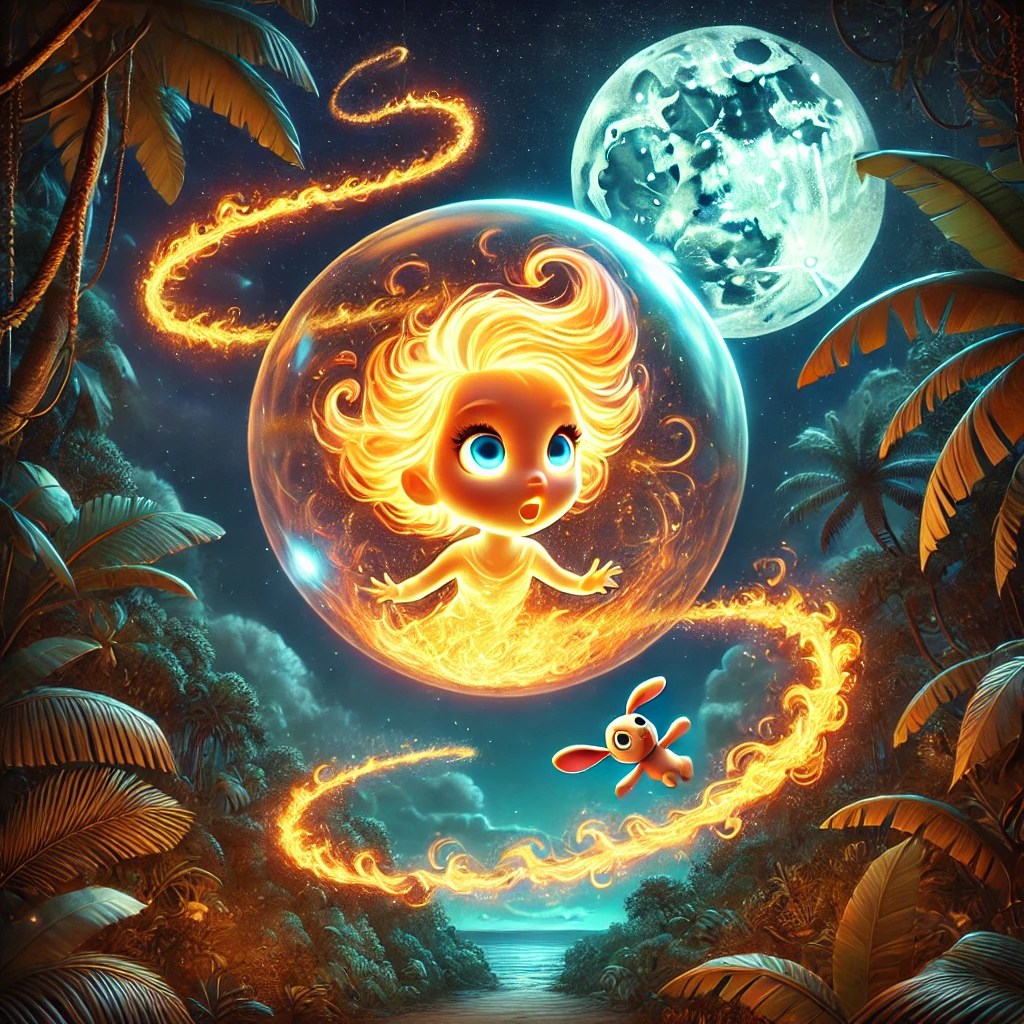
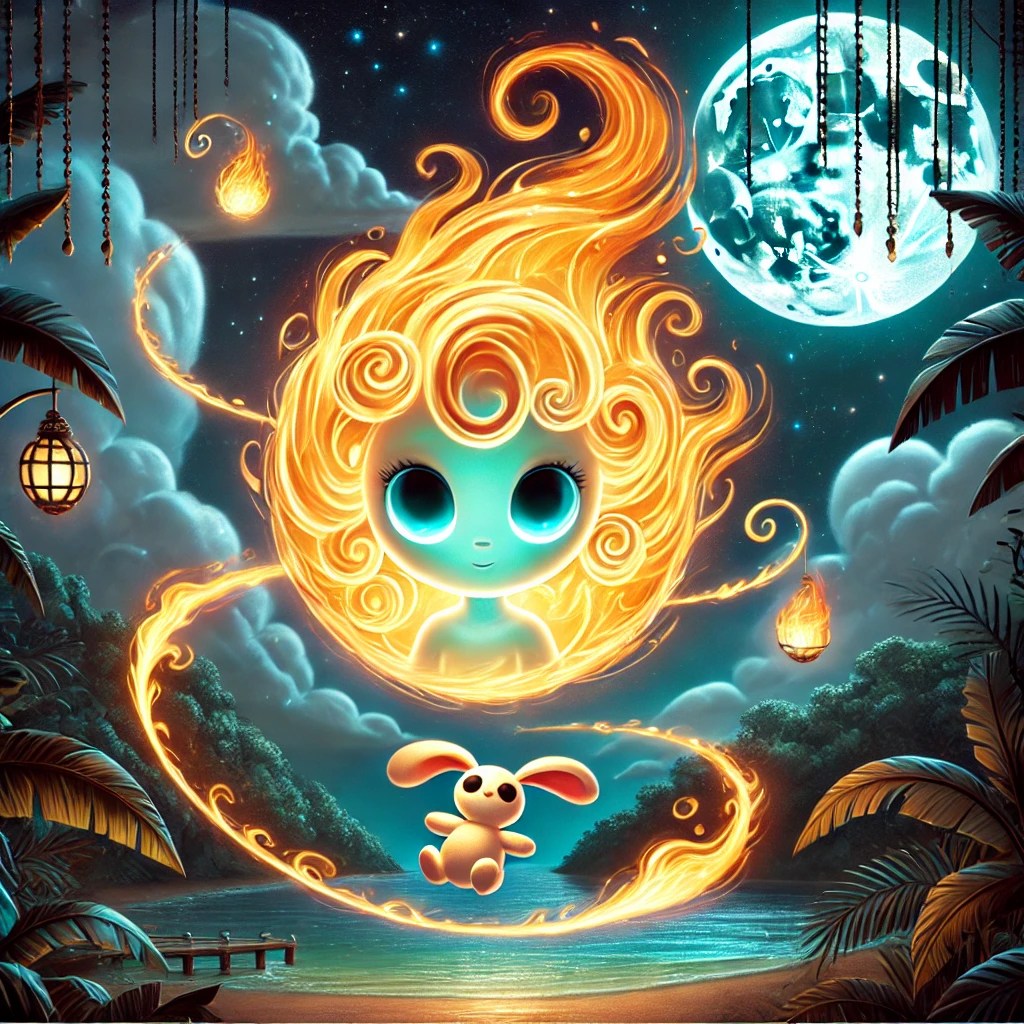
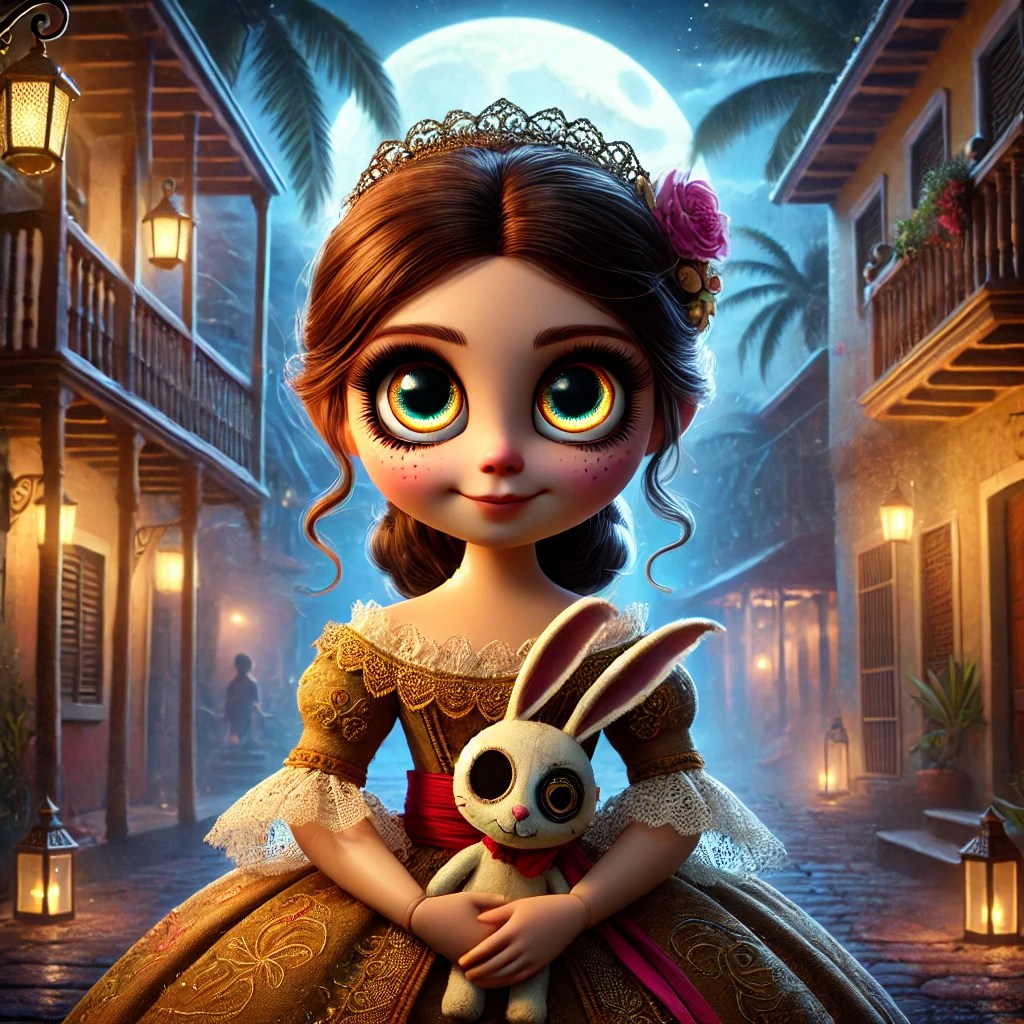
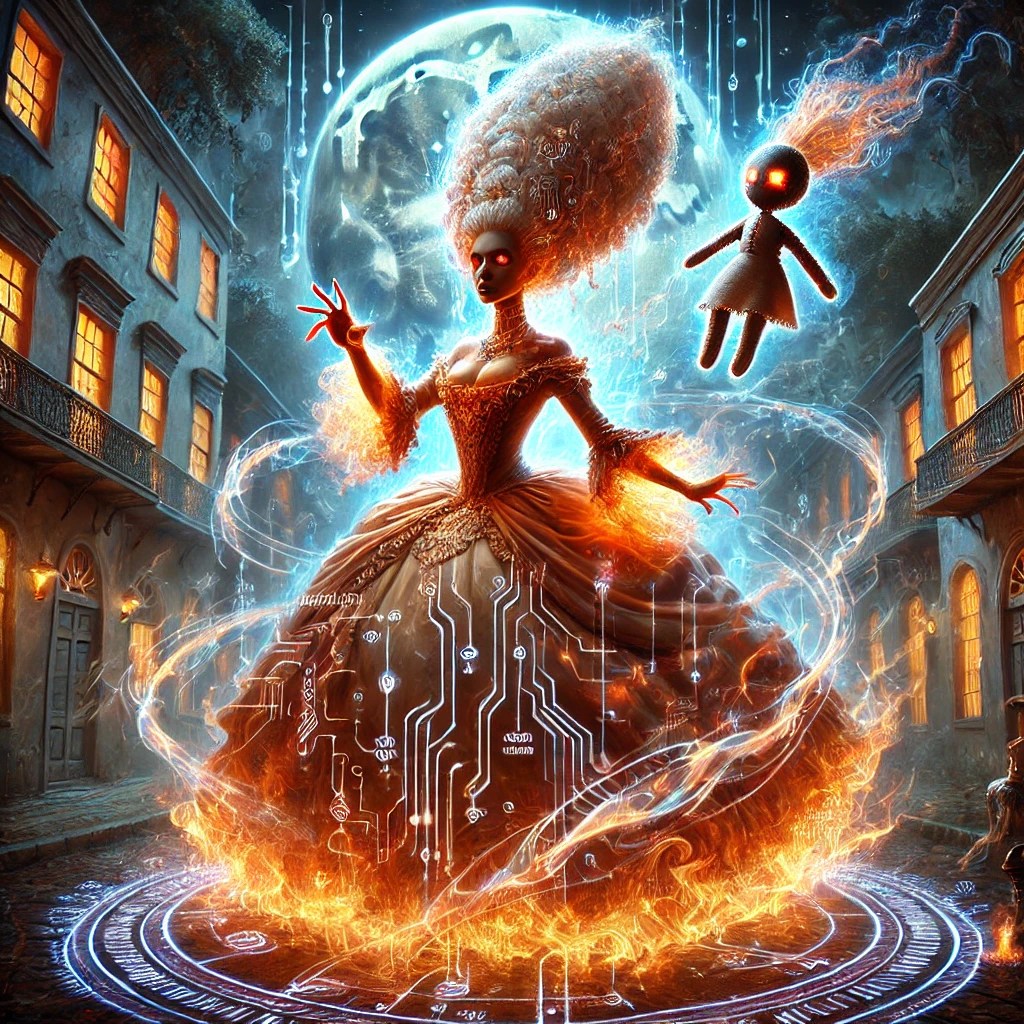
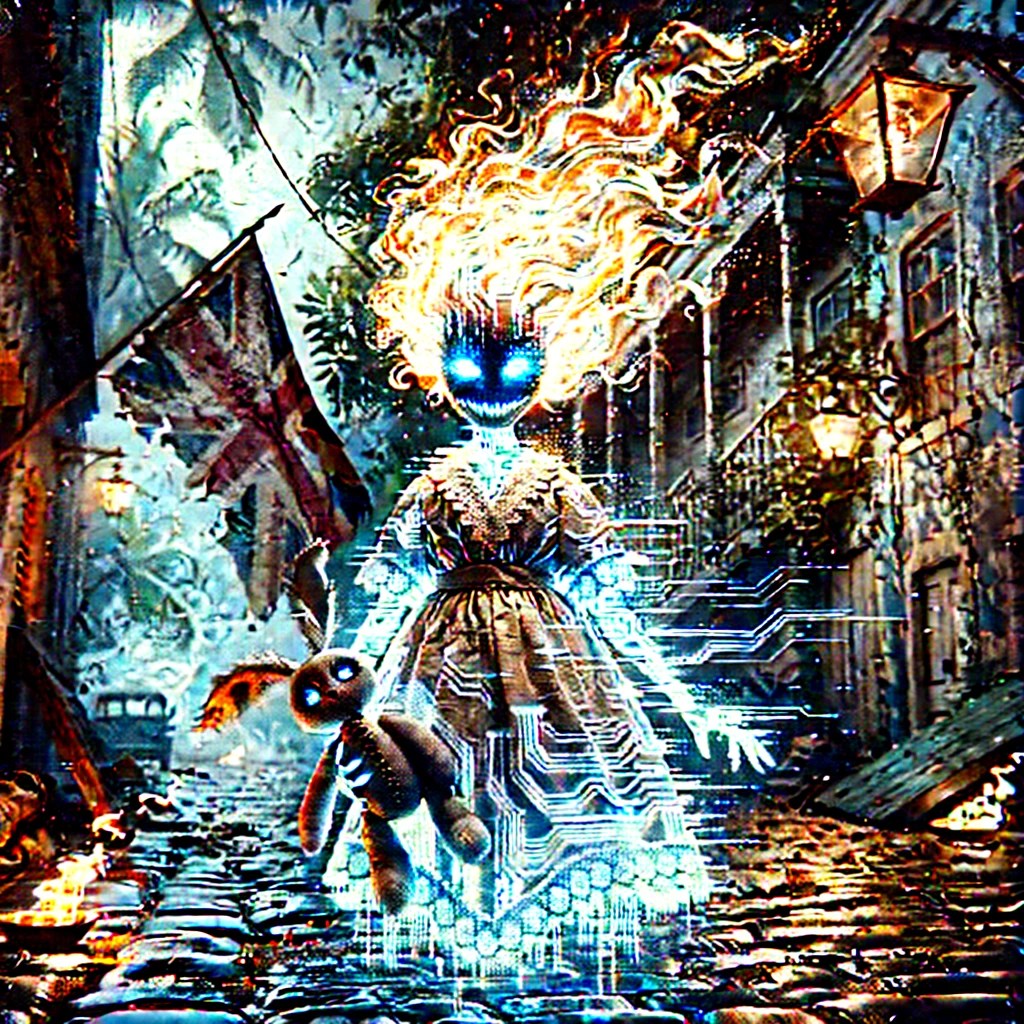
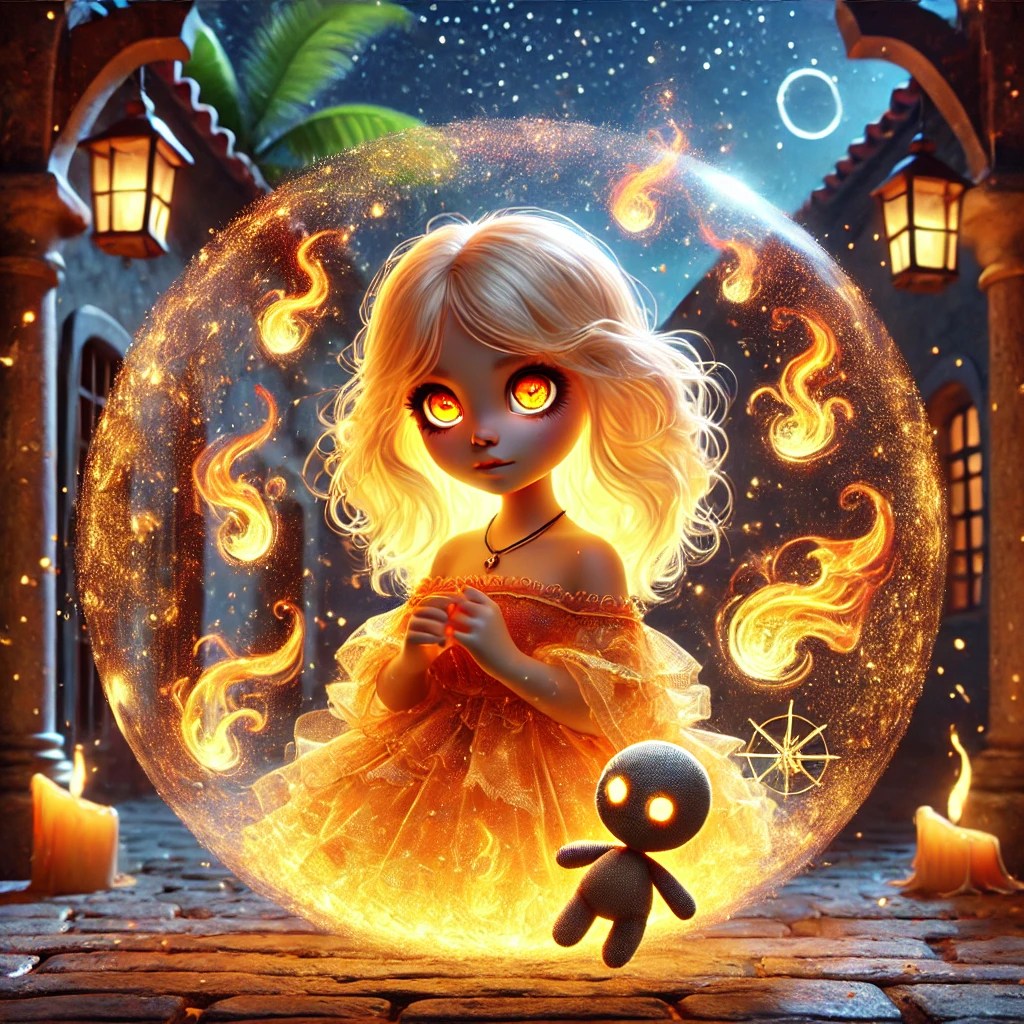
Some of the images shown are alternate designs and visual explorations created during the development of Caribanime. They’re intentionally non-sequential. They vary in style and explore different character designs, moods, and story arcs. The artistic interpretations go beyond the main storyboard.
You will notice a few characters and concepts for future chapters of the Caribanime universe. These are early glimpses of what’s to come. The story continues to grow.

 Artist Blueprint