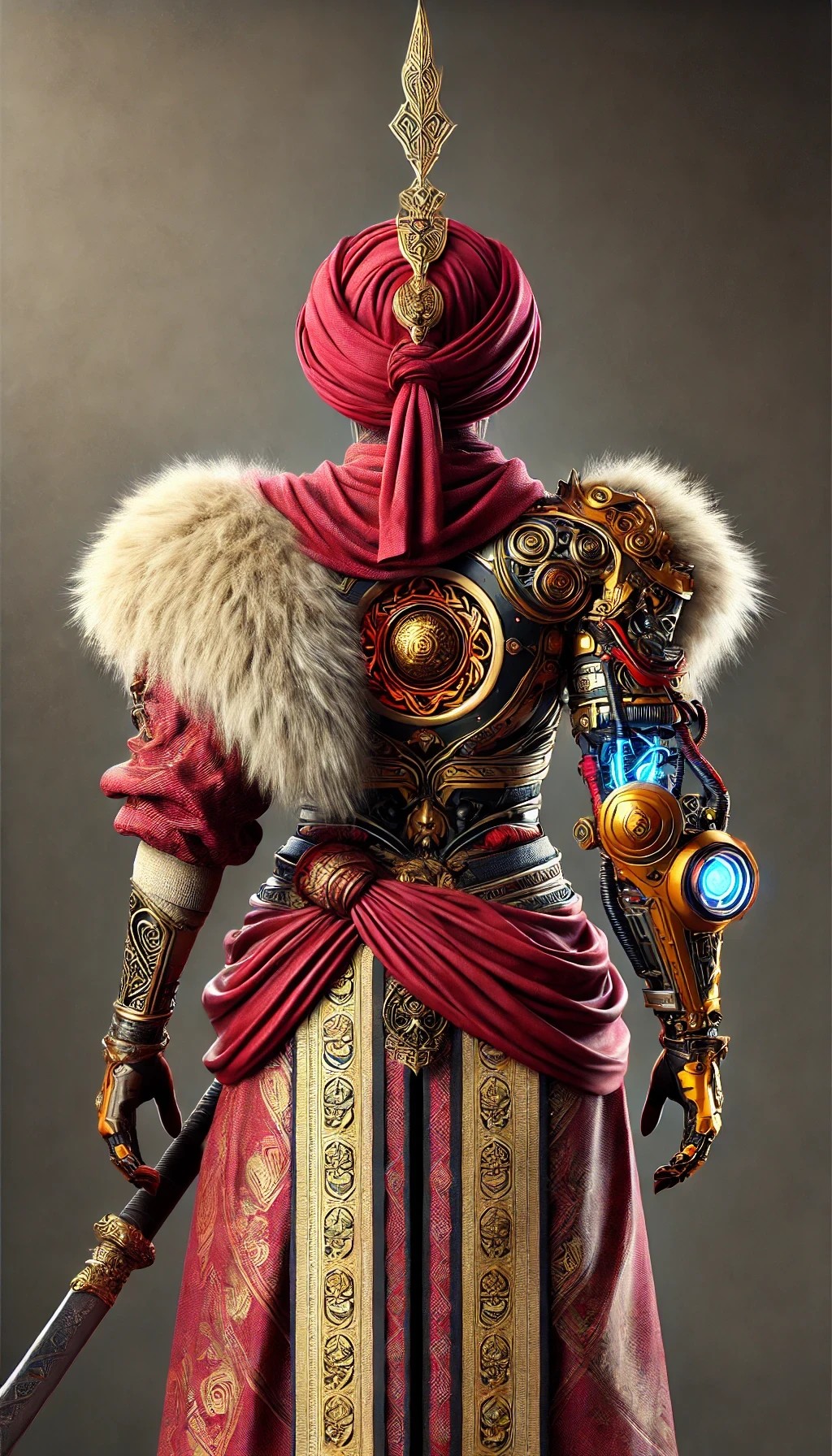
By Artist Blueprint
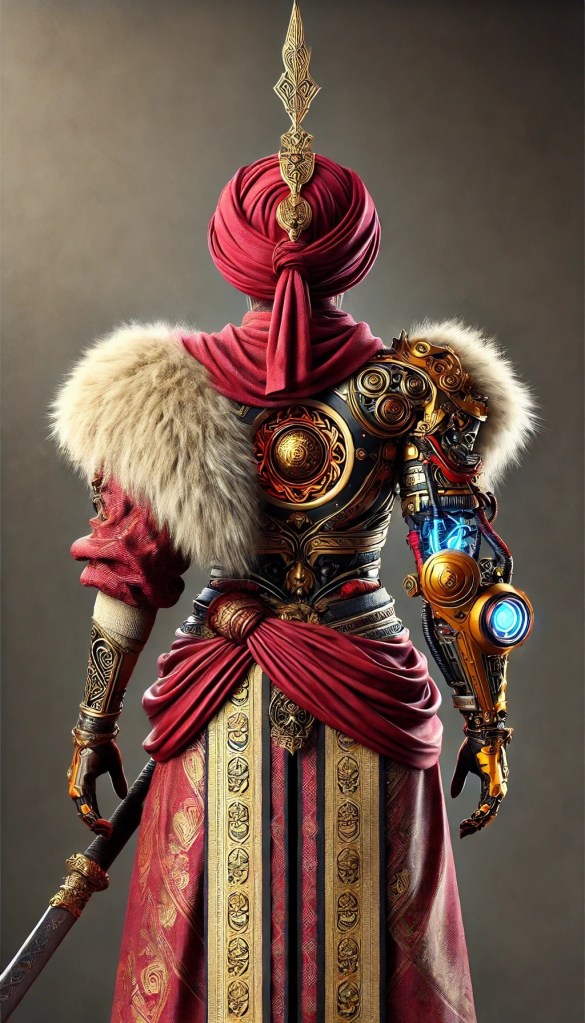
Khalsa Vanguard: Where Legacy Walks Into the Future
Science fiction often asks how far humanity can go.
Khalsa Vanguard asks something deeper:
Who do we become when we get there?
This is not just a space saga of fleets, colonies, and advanced warforms. It is a story about duty, identity, sacrifice, and moral responsibility in an age where humanity has expanded beyond Earth — but has not outgrown its need for conscience.
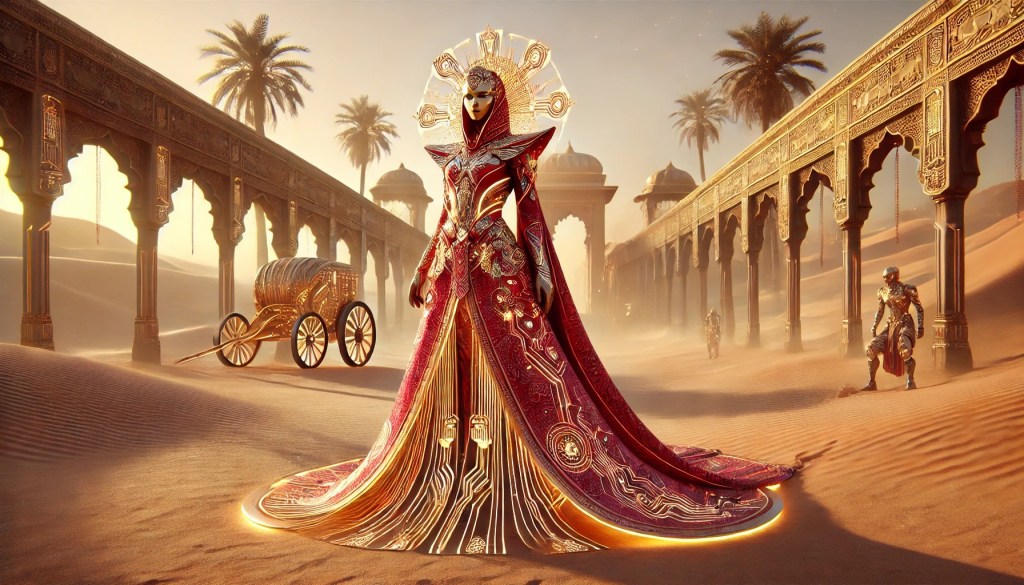
A Galaxy Built on Survival and Consequence
In the world of Khalsa Vanguard, humanity has spread across star systems, building colonies, industries, and interstellar networks that sustain civilization’s economic lifeblood. Terraforming engines reshape planets. Cyber-organic soldiers defend trade corridors. Political powers govern entire sectors of space.
But survival came at a cost.
War, expansion, and technological evolution led to the rise of enhanced soldiers — beings rebuilt again and again for battle. Human once. Mechanical in part. Then in majority. Eventually, almost entirely cybernetic.
The question the universe quietly asks is:
At what point does a defender stop being human — and start becoming something else?
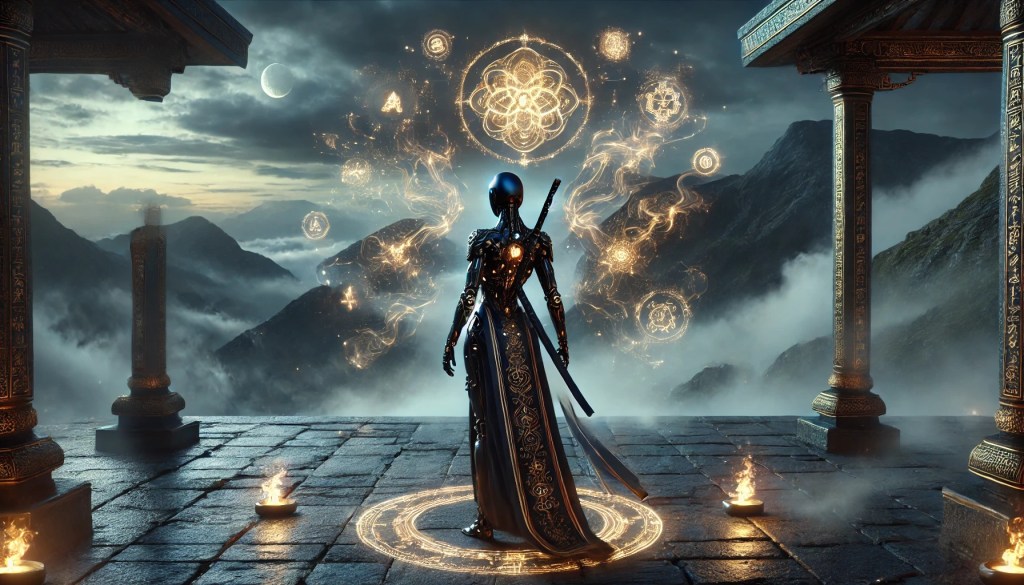
The Khalsa Vanguard
The Khalsa Vanguard are not conquerors.
They are not empire-builders.
They are not mercenaries.
They are peacekeepers operating at the edge of collapse.
Formed as a stabilizing force within the interstellar order, the Vanguard step into conflicts that governments cannot solve without igniting war. They carry authority, immunity, and responsibility — but more importantly, they carry a code.
A code rooted in:
- Discipline
- Protection of the vulnerable
- Moral restraint in the use of power
- The belief that strength exists to defend, not dominate
They stand between chaos and civilization, often unseen, often uncelebrated, often making decisions that history will never fully understand.
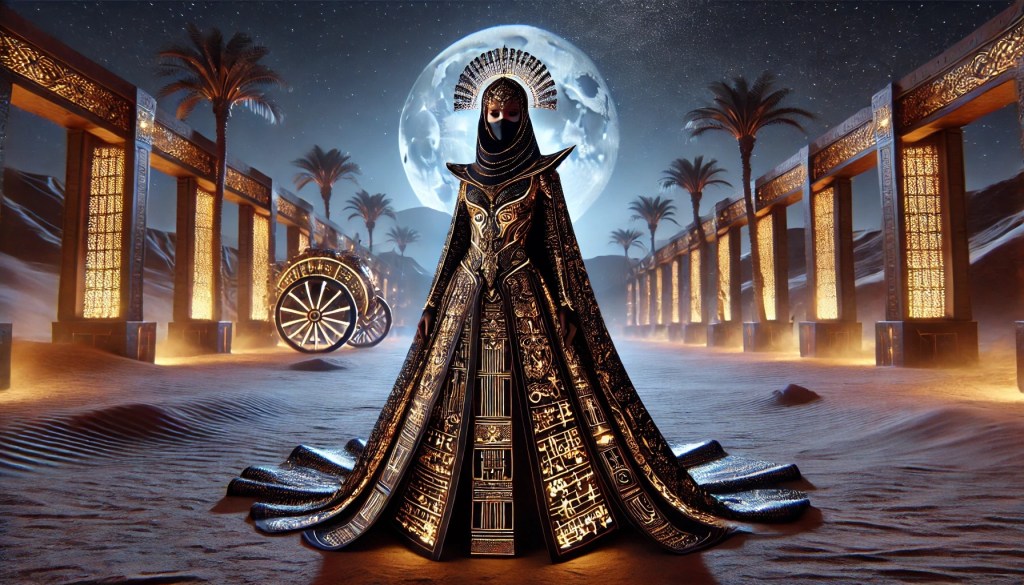
More Than Battles — A Story of Transformation
At the heart of the saga are characters whose journeys span timelines and identities. Soldiers who begin as ordinary recruits. Fighters rebuilt after every conflict. Veterans who must choose between:
- Retirement into wealth and governance
- Private power beyond oversight
- Or service within the Khalsa Vanguard — where duty never truly ends
Some become more machine than flesh. Some lose pieces of themselves with every mission. Yet one element remains untouchable:
The soul.
That tension — between body and spirit, machine and meaning — drives the emotional core of the universe.
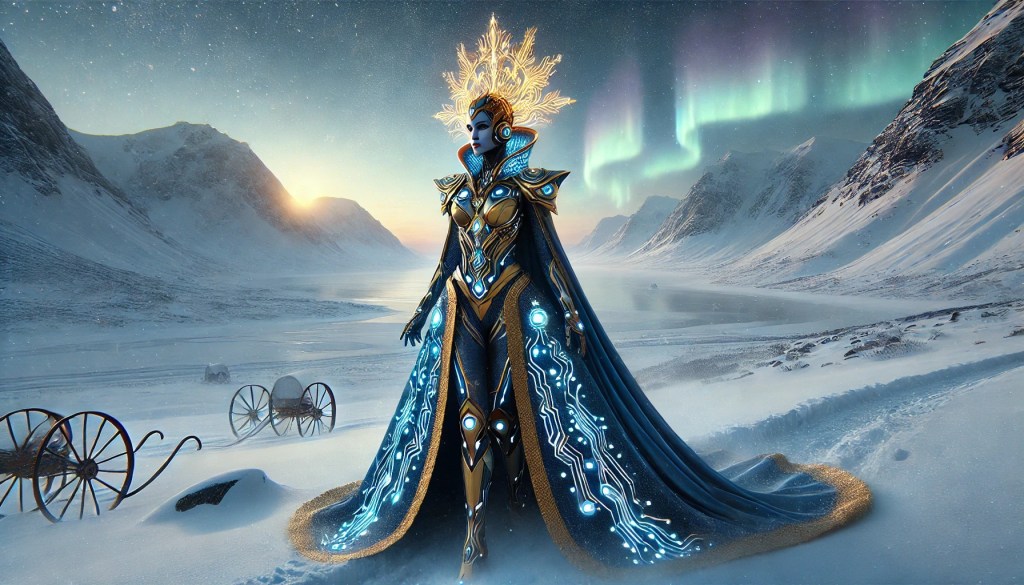
A Cinematic World in Motion
The Khalsa Vanguard Storyboard expands the written world into visual form, mapping:
- Interstellar cities alive with trade and tension
- Military-civilian governing bodies that balance order and control
- Cybernetic divisions and specialized Vanguard units
- Fleets, weapons, and technologies shaped by both heritage and futurism
- Factions whose ideologies challenge the fragile peace
This storyboard is not just concept art — it is world architecture, showing how environments, politics, and characters interlock across the galaxy.

Why This Universe Matters
Khalsa Vanguard is science fiction with philosophical weight. It explores:
- The cost of endless war
- The ethics of enhancement
- Identity beyond biology
- Service versus power
- Legacy in a post-human future
It merges cultural inspiration with speculative storytelling, creating a universe where ancient values walk beside advanced technology.
This is not just about the future of warfare.
It is about the future of responsibility.
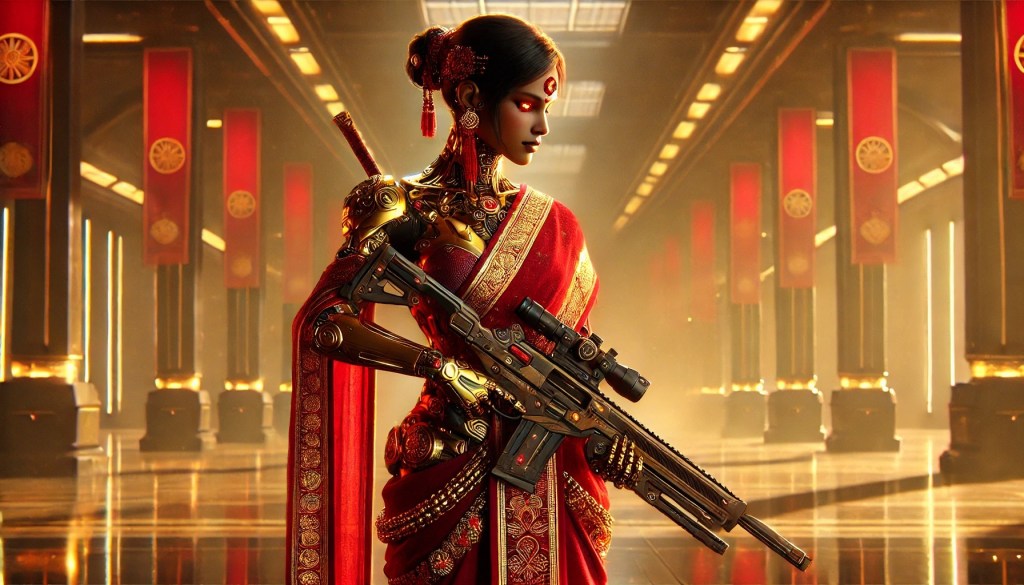
The Journey Continues
The written chapters expand the mythology.
The storyboard visualizes the cinematic scale.
Together, they build a layered universe designed for transmedia storytelling — from prose to animation, from concept art to screen.
Khalsa Vanguard is an invitation:
To step into a future where humanity’s greatest weapon is not its machines —
but the choices made by those who wield them.

 Artist Blueprint