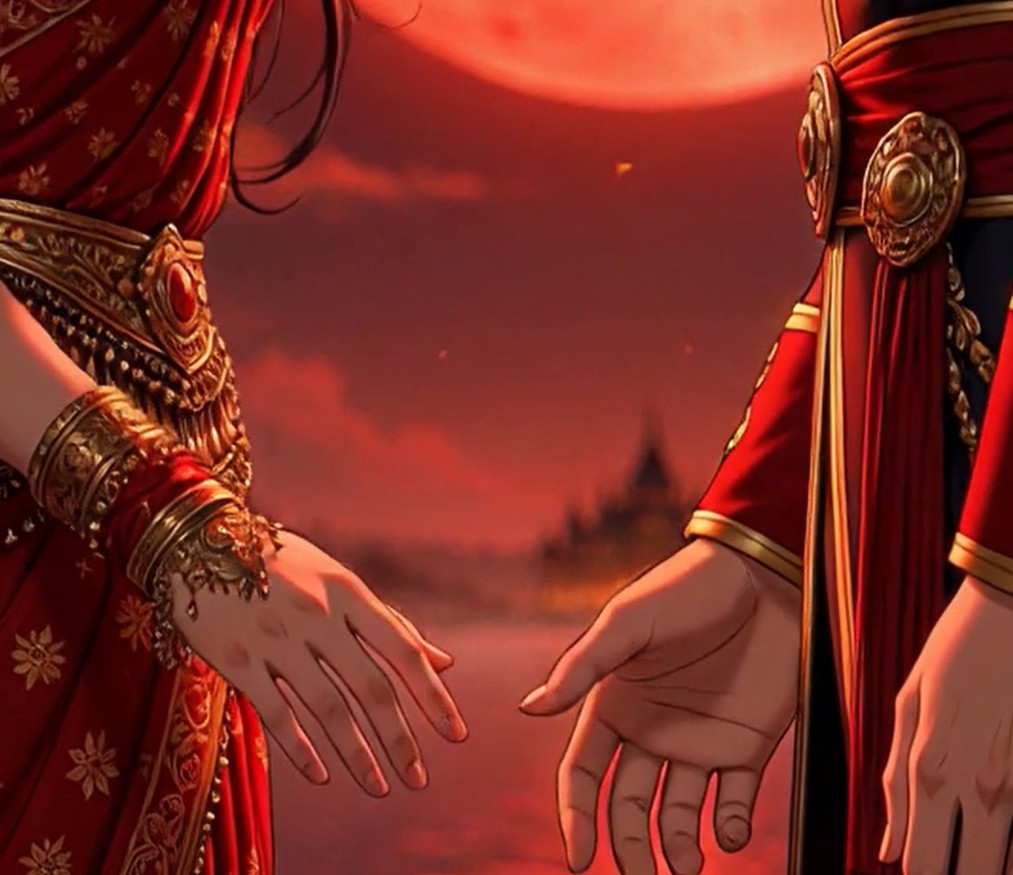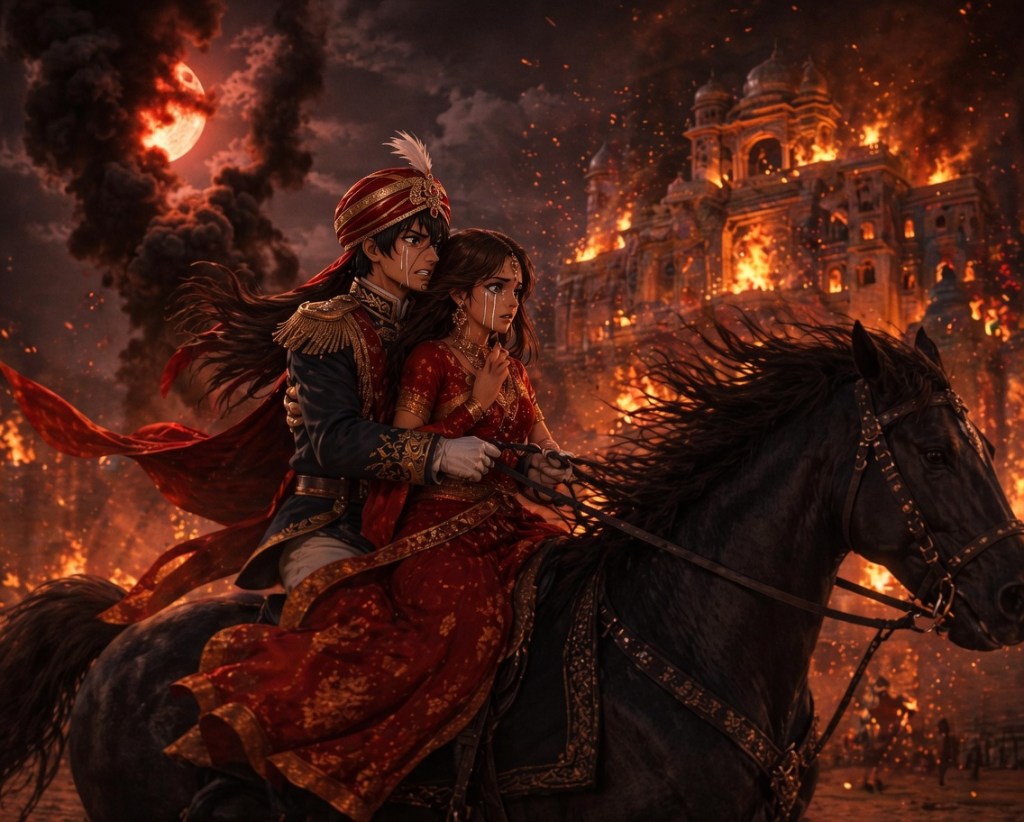
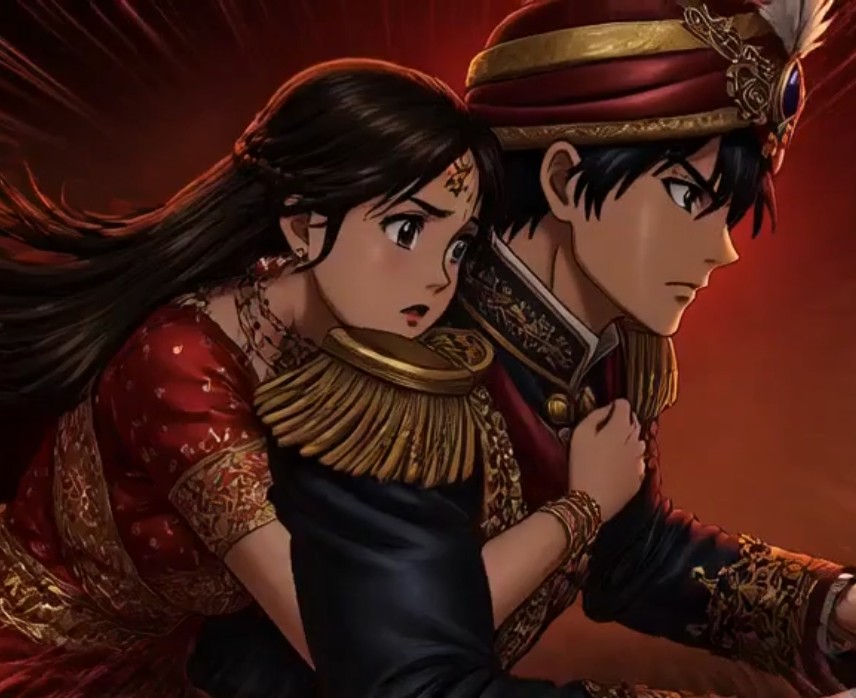
Building What Indian Animation Hasn’t Yet Created — A New Genre for a Global Audience
There’s been a lot of discussion about why Indian animation feels like it’s moving in circles. You’ll often hear about the reuse of mythological IPs, budget limitations, investor hesitation, and platforms choosing safe content. All of that is true, but it is only part of the story.
The real question is not why the industry is stuck. It is what the industry is missing.
India is one of the most emotionally rich storytelling cultures in the world. Yet Indian animation has not fully developed a space for anime style storytelling rooted in its own cultural identity, particularly when it comes to romance driven narratives for teens and young adults and cinematic, character first storytelling.
At the same time, audiences in India are watching anime more than ever. They are connecting deeply with emotional and visual storytelling and are looking for stories that reflect their identity in that format.
While the gap is most visible in Indian animation, the opportunity extends across South Asian and global audiences who are seeking culturally rooted stories told through modern, visually driven formats.
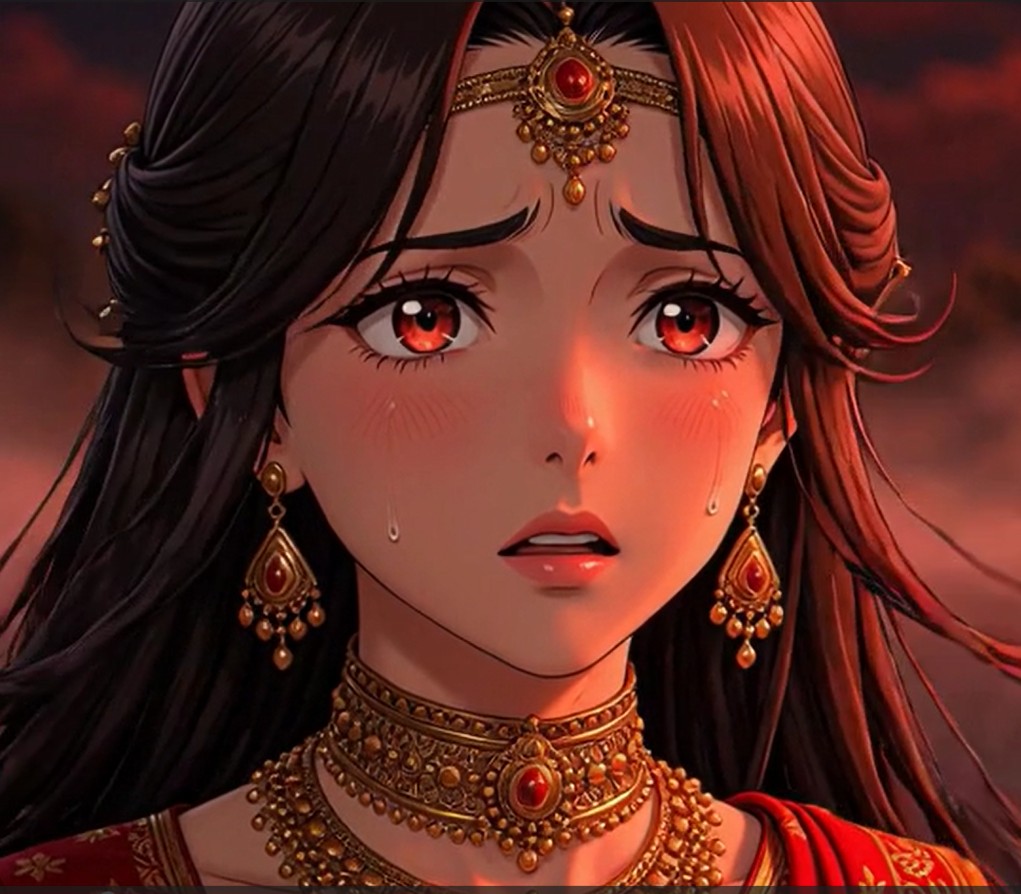
Beyond South Asia, the global foundation for this kind of storytelling is already well established. Japanese audiences have long embraced anime built on emotion, romance, and dramatic character journeys. Over time, that same storytelling style has built massive audiences across Europe and North America, where viewers are deeply engaged with cinematic, visually driven narratives.
What this creates is a rare alignment. Audiences in India are increasingly drawn to anime. South Asian audiences are looking for stories that reflect their identity. And global anime audiences already understand and connect with this format.
The opportunity is not to replicate what exists, but to introduce culturally rooted stories into a storytelling language that is already loved worldwide. When familiar emotional structures meet new cultural perspectives, the result is something that feels both fresh and immediately accessible.
This creates a clear opportunity. The goal is not to replicate what already exists, but to introduce culturally rooted stories into a storytelling language that global audiences already understand and connect with. When familiar emotional structures meet new cultural perspectives, the result is something that feels both fresh and immediately accessible.
What is missing is not talent, culture, or stories. It is the development of a format that has not yet been fully created within Indian animation.
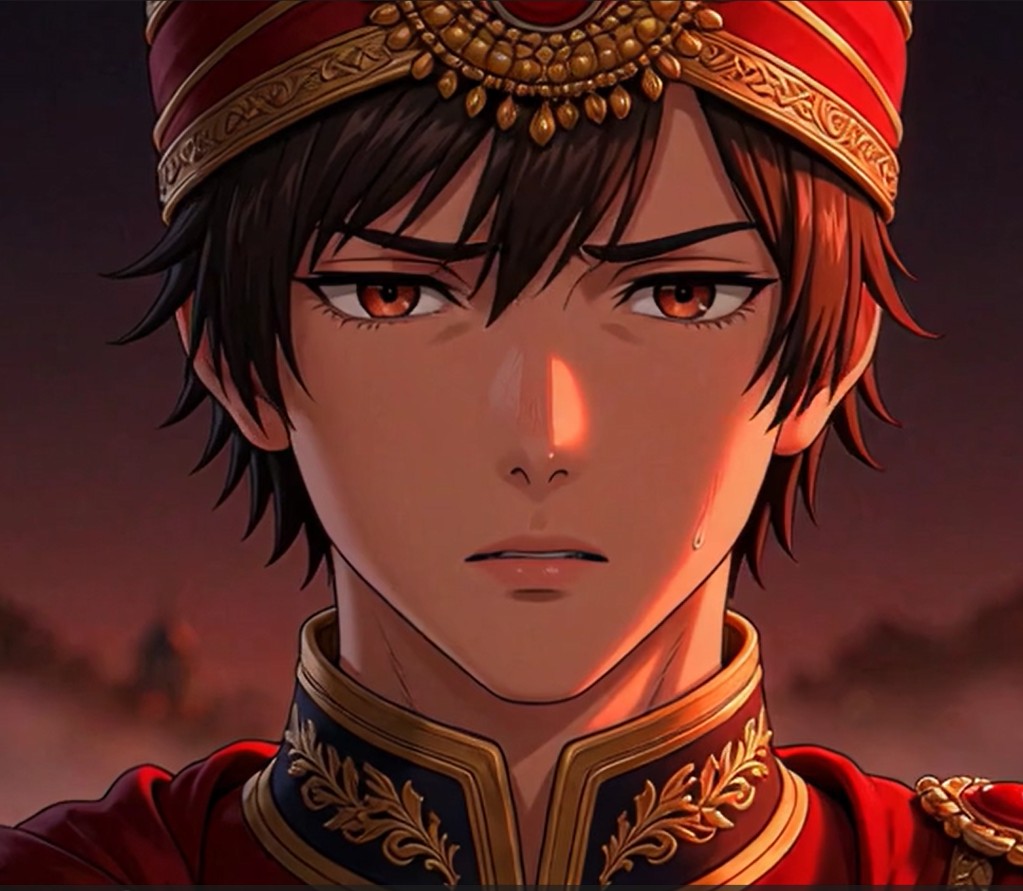
The question then becomes how to move forward.
At Artist Blueprint, the focus is not just on creating stories, but on building around the realities of the industry. Instead of beginning with fully produced content, the process starts by visualizing ideas early. Using AI driven tools, scenes, slates, and teasers are created to capture emotional tone and cinematic presence before full production begins.
This approach shifts how original IP is presented. Rather than asking audiences or investors to imagine a concept, the story can be experienced visually from the start. This makes it easier to understand tone, character, and audience connection at an early stage.
It also creates a more efficient path in a space where budgets are often limited. AI assisted pipelines make it possible to achieve cinematic quality without the traditional overhead of large studios, allowing for experimentation and refinement before scaling.
At the same time, storytelling remains grounded in familiar emotional themes such as love, duty, and sacrifice, while being expressed through a new visual language. This allows the content to feel culturally rooted while resonating across South Asian and global audiences.
More importantly, it challenges the long standing perception that animation is only for children, repositioning it as a cinematic medium capable of reaching teens, young adults, and broader audiences.
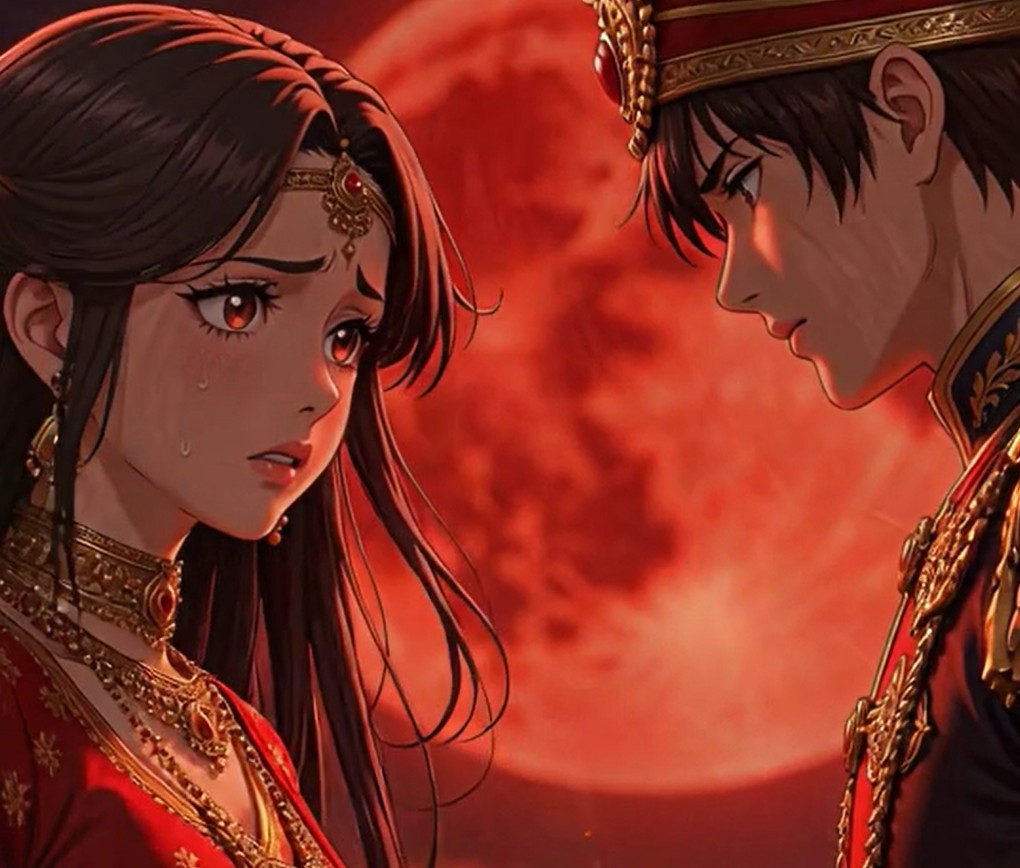
AI is not replacing storytelling. It is accelerating it by allowing creators to visualize faster, test ideas earlier, and build audience connection before scaling into larger productions.
This is the space I have been developing into.
RASA ROMANSU
A fusion of Indian emotional storytelling, anime aesthetics, and cinematic worldbuilding designed to connect with teens, young adults, and audiences across South Asia and beyond.
It is not a trend. It is an attempt to build what Indian animation has not yet created.
The gap is not small and it will not remain empty for long. The next phase of animation will not come from repeating what has already worked. It will come from those willing to create what does not yet exist.
That shift has already begun.