Animation has long taken audiences to distant magical worlds — hidden forests, fantasy kingdoms, and faraway lands filled with adventure. But today’s children grow up in a different reality. Their worlds are shaped by cities, neighborhoods, playgrounds, and communities connected through modern urban life.
Jangal Tails was created to bridge these two experiences.
Rather than asking children to escape their environment to find magic, Jangal Tails asks a different question:
What if the jungle already exists around us?
The Idea Behind Jangal Tails
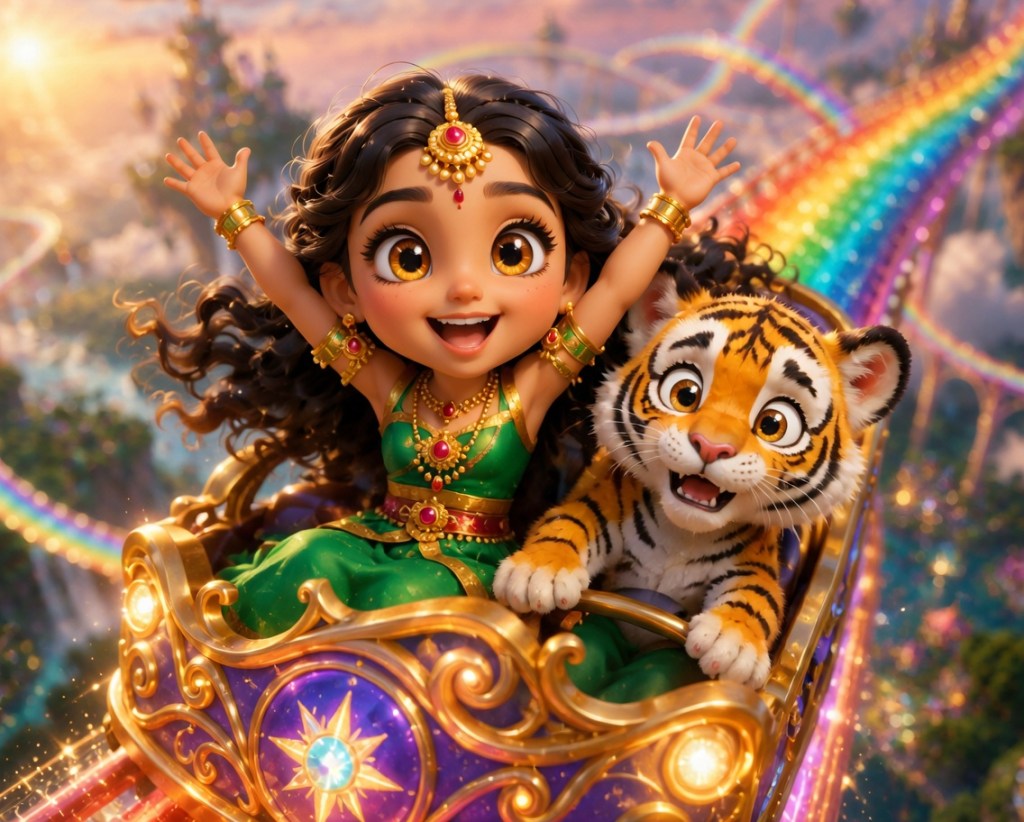
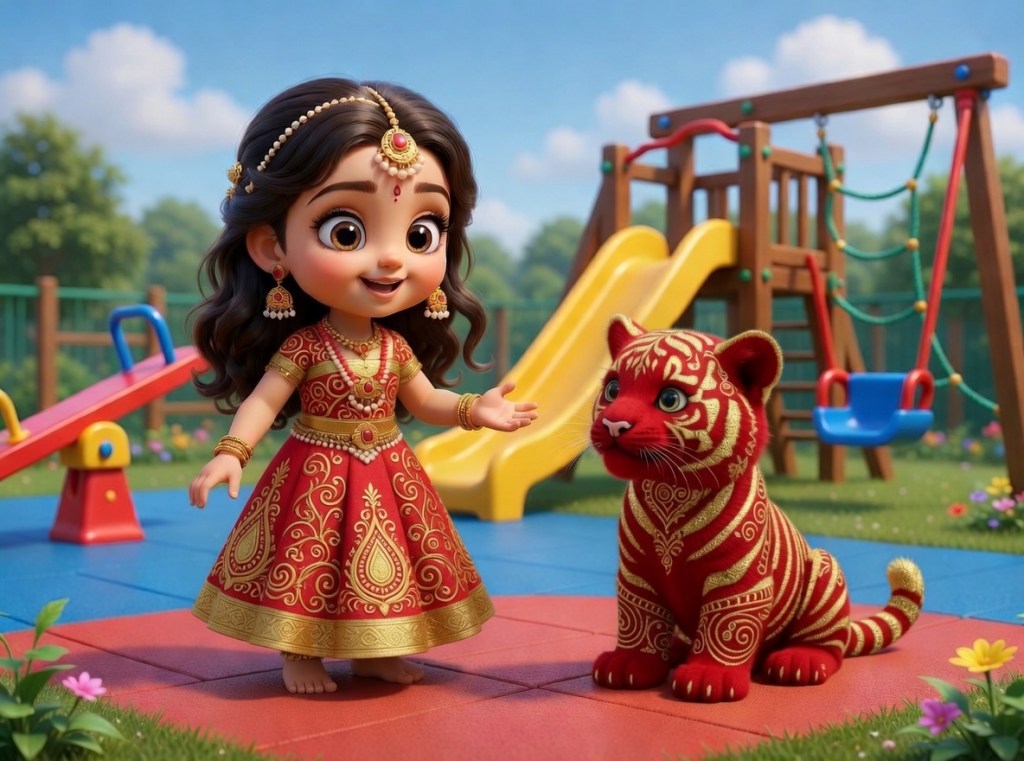
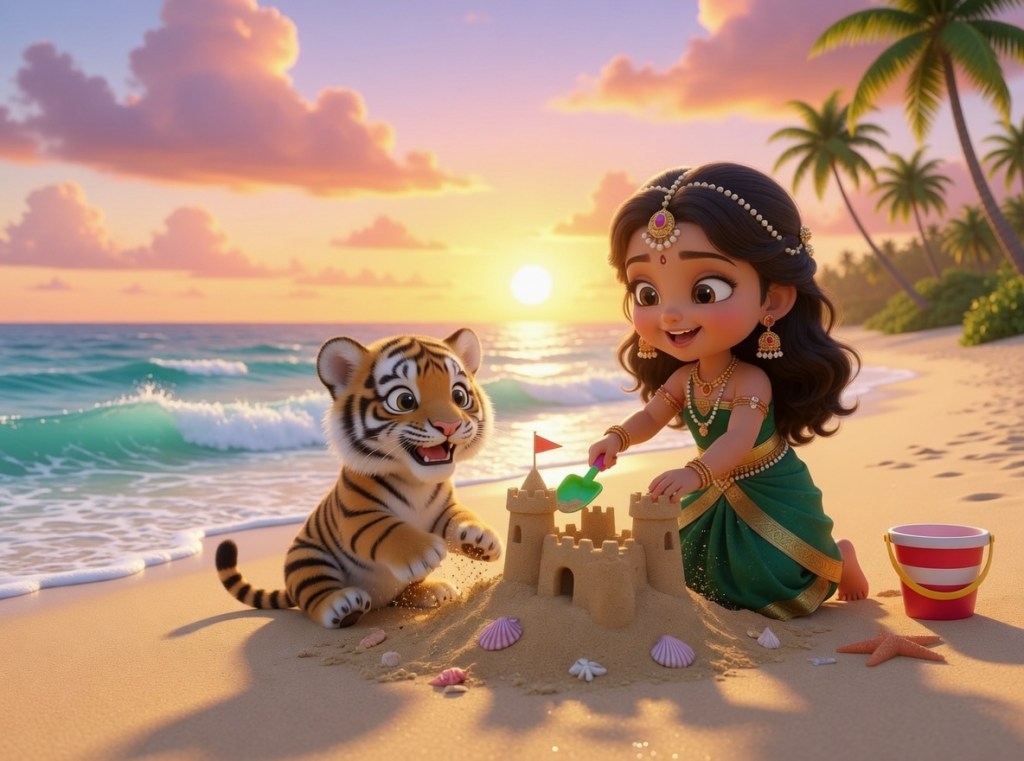
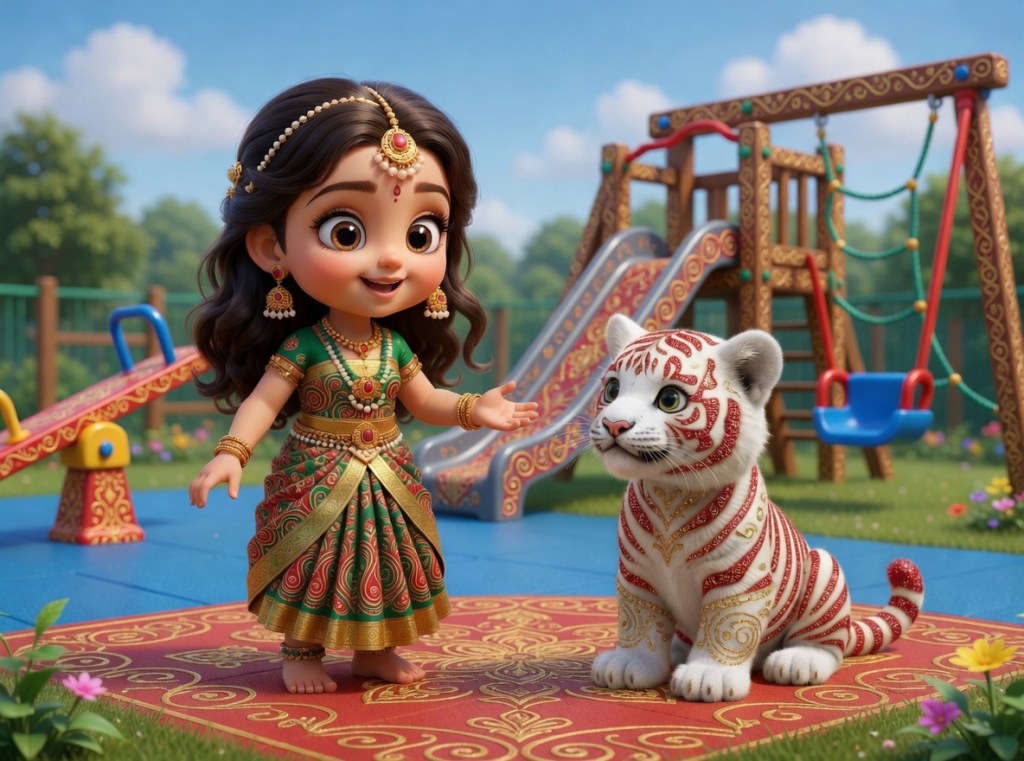
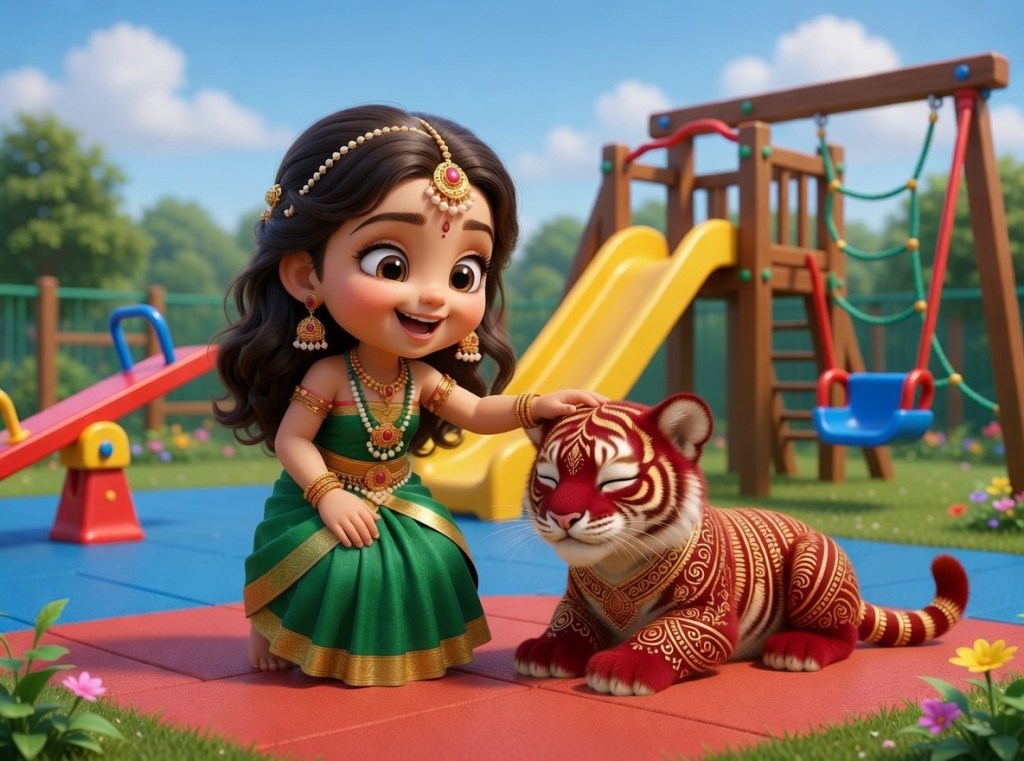
At its heart, Jangal Tails follows Trupti and her tiger cub companion, Sher, as they discover the Jangal — a living world awakened through imagination, friendship, and connection with nature.
But the Jangal is not just a remote wilderness.
It emerges wherever children play.
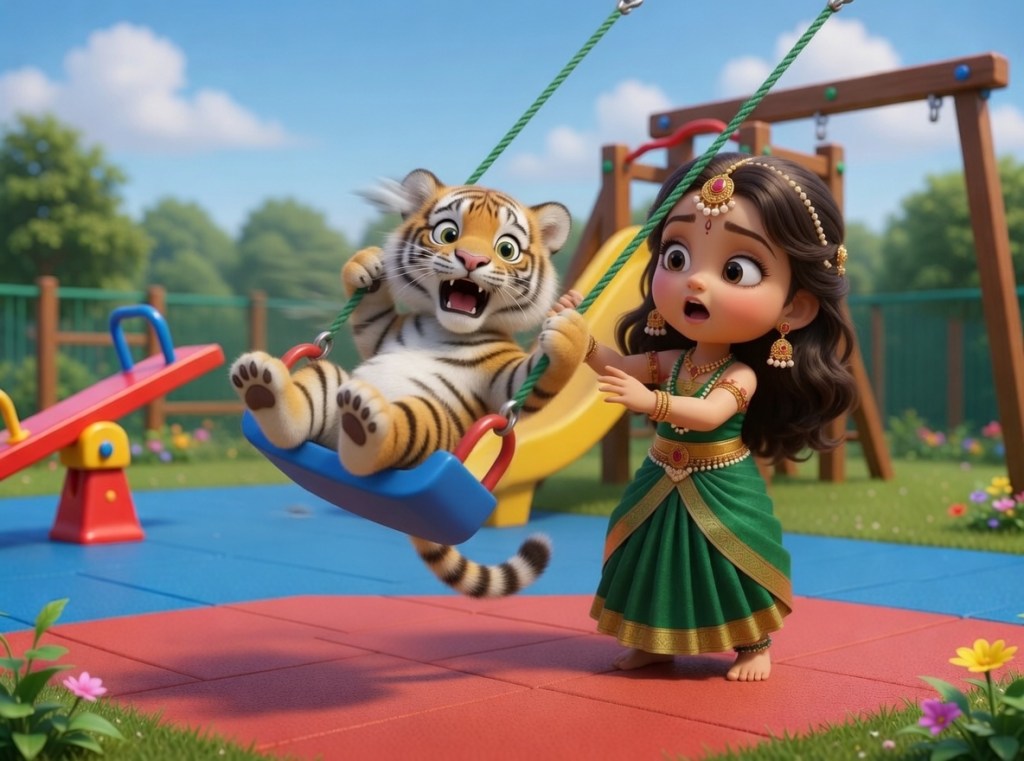
A swing set becomes a skyward adventure.
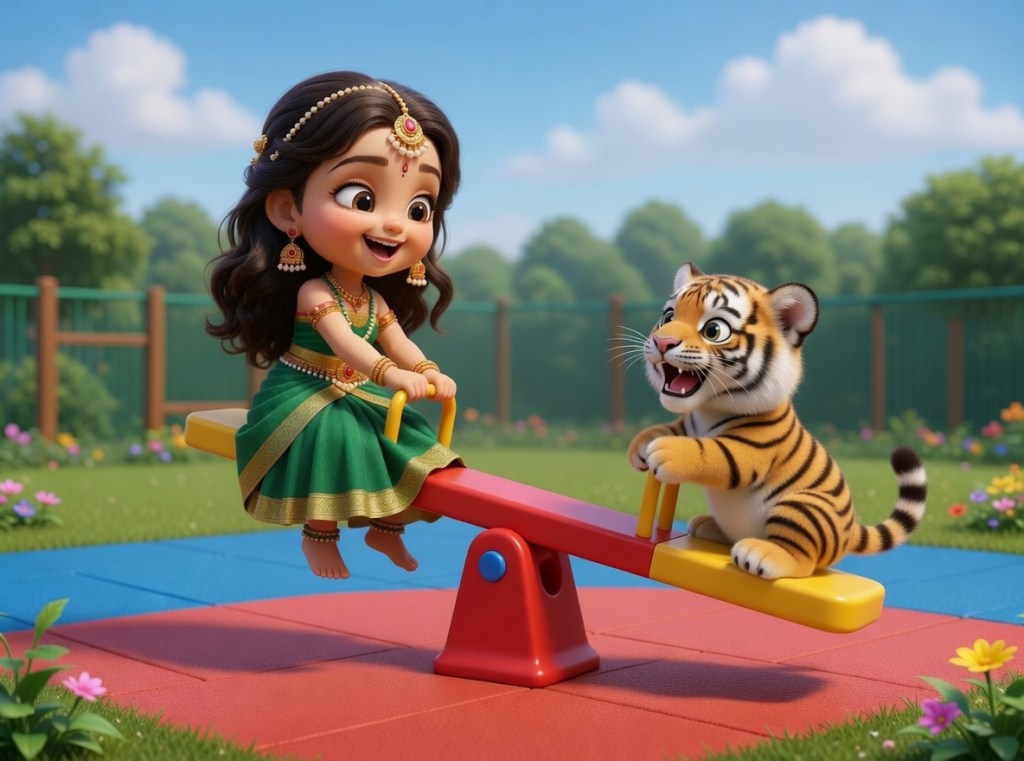
A playground slide opens into a hidden world.
A neighborhood park transforms into a glowing canopy of discovery.
Each adventure is intentionally small, playful, and emotionally grounded — reflecting the everyday experiences of childhood while expanding them into cinematic fantasy.
Introducing the Urban Jangal
Modern childhood does not exist only in forests or villages. It lives within cities and suburbs — in places like Toronto’s downtown core, its surrounding neighborhoods, and the wider communities that make up the Greater Toronto Area.
This inspired one of the defining ideas behind the series: the Urban Jangal.
The Urban Jangal recognizes that the modern “urban jungle” already mirrors nature in its complexity and diversity. Downtown streets, residential communities, transit systems, schoolyards, and backyard spaces form one interconnected ecosystem.
In Jangal Tails, imagination reveals this hidden layer.
Sidewalks become vine pathways.
Streetlights glow like jungle lanterns.
Rooftops bloom into living gardens.
Suburban backyards transform into enchanted clearings.
The message is simple but powerful: nature is not separate from modern life — it lives alongside us, waiting to be rediscovered.
Why This Story Matters Now
Children today face a world increasingly dominated by screens and structured environments. At the same time, there is a growing global desire to reconnect young audiences with nature, empathy, and emotional well-being.
Jangal Tails approaches this challenge through play.
Instead of teaching lessons directly, the series invites children to imagine their own environments differently. Adventure does not require traveling far away. Wonder begins at home, at school, or in the neighborhood park.
By blending urban environments with living jungle magic, the series encourages curiosity, creativity, and environmental awareness without ever feeling instructional.
A Global Story with Cultural Roots
Inspired by Indian storytelling traditions while designed for global audiences, Jangal Tails celebrates friendship across cultures and backgrounds.
The series reflects a universal childhood experience: discovering magic in ordinary places and finding courage through connection — with animals, friends, and the world itself.
This approach allows the story to resonate whether a child lives in Mumbai, Toronto, London, or anywhere else where city life and nature coexist.
Building a Living Story Universe
Jangal Tails is envisioned as more than a single animated series. It is a growing story universe designed to expand into books, music, interactive experiences, and educational storytelling centered on imagination and play.
Because the Jangal is not defined by geography.
It awakens wherever children choose to see the world with wonder.
And sometimes, the greatest adventures begin not in distant lands — but right outside our own doors.